프린트 판매로 전환
 더 보기
더 보기







































 가로 또는 세로 중 어느 한 면이라도 105cm(약 41인치)를 초과하는 작품이나 복제화의 경우, 프레임은 분해된 키트 형태로 배송됩니다. 이는 안전한 배송을 보장하고 운송 중 발생할 수 있는 손상을 방지하기 위함입니다.


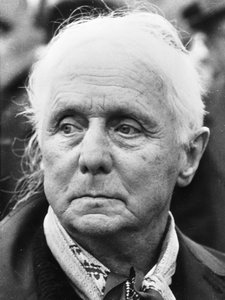
Design in Nature: A Surrealist Vision by Max Ernst
Max Ernst’s “Design in Nature,” completed in 1947, stands as a cornerstone of Surrealism—a movement that dared to liberate the subconscious mind from rational constraints and explore the realm of dreams and irrationality. More than just a painting; it's an invitation into Ernst’s meticulously crafted universe where organic forms intertwine with abstract geometries, creating a visual experience profoundly evocative of both natural beauty and psychological depth.
- Artist: Max Ernst (1891 – 1976)
- Year Created: 1947
- Location: Private Collection
- Medium: Oil on Canvas
- Dimensions: 50.8 x 66.7 cm
Ernst, a German-born artist who eschewed formal training for self-discovery, channeled his intellectual curiosity into groundbreaking artistic experimentation. Influenced by philosophers like Nietzsche and Freud, he embraced techniques such as frottage—a process of rubbing textured surfaces onto canvas—and grattage—scraping paint to reveal underlying textures—to generate images rooted in chance and intuition.
The painting’s composition immediately captivates the viewer with a dominant bird-like creature, positioned centrally against a backdrop of scattered birds. This figure embodies freedom and creativity – a recurring motif throughout Ernst's oeuvre – while the surrounding avian forms symbolize various facets of human emotion and behavior. The vibrant color palette—dominated by reds, blues, yellows, and greens—amplifies this emotional resonance.
Beyond its aesthetic appeal, “Design in Nature” is laden with symbolic significance. The inclusion of a red flower and a blue vase introduces elements of elegance and beauty, juxtaposed against the painting’s abstract core. These objects serve as anchors within the surreal landscape, prompting contemplation on themes of fertility, harmony, and perhaps even fragility.
“Design in Nature” firmly establishes Ernst's place within Surrealism—a movement born from Dada’s rejection of logic and reason—which sought to tap into the unconscious mind. Alongside artists like Salvador Dalí and René Magritte, Ernst pushed artistic boundaries, inspiring generations of creatives to embrace unconventional methods and explore uncharted territories. Its influence extends beyond painting itself, notably impacting the Lettrism Art Movement which championed spontaneous expression and linguistic experimentation.
Ultimately, “Design in Nature” transcends mere visual representation; it’s a testament to Ernst's unwavering commitment to artistic innovation and psychological exploration. As a Surrealist masterpiece, it compels us to confront our own perceptions of reality and invites us to appreciate the transformative power of imagination—a legacy that continues to resonate within the art world today.
질의응답
"Design in Nature"은(는) 막스 에른스트의 평소 작업 세계를 잘 보여주는 작품인가요?
"Design in Nature"은(는) allegories, symbols, organic forms, bird imagery, surreal landscape, color palette, dreamlike composition을(를) 묘사하고 있는 반면, 막스 에른스트의 기존 주제들은 dada roots, psychological exploration, surreal vision, symbolism driven, innovative technique입니다. 이 두 가지를 비교해 보면 해당 작품이 작가의 통상적인 소재와 어떻게 연관되는지 알 수 있습니다.
막스 에른스트의 "Design in Nature"을(를) 슬라이드쇼로 어떻게 감상할 수 있나요?
막스 에른스트의 "Design in Nature"은(는) 작품의 슬라이드쇼 페이지에서 슬라이드쇼로 감상하실 수 있습니다.
"Design in Nature"의 재료와 화풍은 무엇인가요?
막스 에른스트의 "Design in Nature"은 Oil On Canvas 기법과 Surrealist Movement 양식이 결합된 작품입니다. 기법과 양식은 작품의 제작 방식과 예술적 스타일을 나타냅니다.
이 작품에 대해 더 알아보기
 미리보기
미리보기
 공유하기
공유하기 공유하기
공유하기
 상세 정보
상세 정보 가이드 보기

 다운로드
다운로드
 유사 작품 더 보기
 X-레이
X-레이 슬라이드 쇼 보기
 질의응답
질의응답 통계 정보
통계 정보