

 실제 크기로 보기
 보내기
보내기 공유하기
공유하기
 상세 보기
상세 보기 가이드 보기

 이미지 다운로드
 유사 작품 더 보기
 X-레이
X-레이 슬라이드 쇼 보기
 통계 정보
통계 정보Parsonage Colliery, Leigh
 Post-Impressionism
 1992
1992 41.0 x 58.0 cm
 Salford Museum - Art Gallery
 상세 보기
상세 보기
이 페이지에 표시된 작품은 저작권법의 보호를 받으며, 이에 따라 동일한 복제품을 제작하거나 판매하는 것은 법으로 금지되어 있습니다. 이러한 권리 보호는 다음과 같은 국제 협약에 따라 시행됩니다. 베른 협약 또한 다음에서 명시하는 법률을 포함한 국내법에 의해 보호됩니다. 미국 저작권법 제17조.
저희는 존중을 담은 합법적인 대안으로서, 원작에서 영감을 받은 맞춤형 수제 유화 작품을 제공합니다. 저희의 숙련된 전문 화가들은 원작의 스타일, 분위기, 예술적 정수를 면밀히 연구하여, 그 자체로 독창적인 창작물이면서도 원작과 동일한 감동을 불러일으키는 새로운 작품을 만들어냅니다.
이 방식은 저작권 보호를 받는 예술 작품을 복제하거나 그대로 재현하는 것이 아니기에 저작권 규정을 완벽히 준수합니다. 대신, 이는 창의적인 재해석의 과정을 거칩니다. 즉, 원작에서 영감을 받되 원작과 동일하지 않은 새로운 회화 작품을 의미합니다.
핸드메이드 유화 복제화
작가가 직접 캔버스에 손으로 그린 유화 작품으로, 원하는 크기와 액자로 맞춤 제작해 드립니다. ( 프린트 판매로 전환 디지털 이미지 판매 채널로 전환)




































작품의 원본 비율을 그대로 유지하는 프리셋 사이즈 중에서 선택해 보세요.

액자나 벽면 크기에 맞춰 필요한 가로와 세로 길이를 입력해 주세요. 본 작품은 수작업으로 제작되므로, 요청하신 비율에 따라 작가가 그림의 가장자리를 조금 더 넓게 그리거나 일부를 조정하여 작업할 수 있습니다. 작업 시작 전, 최종 확인을 위해 디지털 목업 이미지를 보내드립니다. 이 페이지에 표시된 이미지는 실제 결과물과 다를 수 있으며, 오직 목업 이미지만이 정확한 결과물을 보여줍니다.
주문 완료 후 OriginalUniqueArt.com 팀에서 상세 안내를 위해 고객님께 이메일을 보내드리며, 미리보기 시안을 함께 제공해 드립니다.


 유리 옵션은 110cm 미만 크기에서만 선택 가능합니다.

Parsonage Colliery, Leigh
재현 매체
복제본 규격
-


총 결제 금액
₩ 407789
작가 소개
The Dust and the Dream: Unearthing the Landscapes of Max Ayres
Max Ayres’s art isn't merely a depiction of industrial England; it’s an excavation of memory, resilience, and the profound connection between humanity and the land. Born in Minneapolis in 1908, his early life was marked by hardship – a fractured family, childhood illnesses, and a persistent sense of isolation. These formative experiences, far from stifling his creativity, became the bedrock upon which he built his distinctive visual language. Ayres’s journey to becoming an artist wasn't paved with formal training or conventional routes; instead, it began with a simple act: sketching goats in a field at age eight. This initial foray into representation ignited a lifelong passion, one that would ultimately lead him to meticulously document the vanishing world of British coal mines and industrial landscapes.
His early career as a musician – banjo player for big bands and a stint with Henry Halstead’s orchestra – provided a crucial apprenticeship in observation and performance. These experiences honed his ability to perceive subtle details, capture fleeting moments, and translate them into visual form. However, it was the devastating loss of his father, Joseph Ayres, a Royal Engineer, that irrevocably shaped Max's artistic trajectory. This profound grief fueled a period of deep depression, a struggle he carried with him throughout much of his life. It’s within this context of personal tragedy and quiet determination that we begin to understand the emotional depth underpinning his work.
The Coal Mines as Portraits
Ayres's most celebrated subjects are undoubtedly the coal mines of Lancashire – Bickershaw Colliery, Parsonage Pit, and countless others. He didn’t simply paint these industrial behemoths; he treated them as characters in a sprawling narrative, portraits of a community inextricably linked to the earth beneath their feet. His technique is remarkably detailed, almost obsessively so. He employed a layered approach, building up textures with thick impasto – using heavy applications of oil paint—to capture the grit, grime, and raw physicality of these working environments. The colors are often muted, dominated by browns, grays, and ochres, reflecting the dust-laden atmosphere and the somber reality of mining life.
Crucially, Ayres’s paintings aren't romanticized depictions of industry. He doesn’t shy away from portraying the harsh conditions, the dangers, or the sense of confinement. Yet, within this bleakness, there’s a profound beauty—a testament to human endurance and the enduring spirit of the miners. His meticulous attention to detail reveals not just the mechanics of the mines but also the faces of the men who worked them, their tools, and the subtle signs of their labor etched into the landscape.
Turbines and Transformation
The mid-20th century marked a pivotal shift in Ayres’s artistic practice. Recognizing the decline of traditional coal mining, he began to document the changing industrial landscape with renewed urgency. This coincided with the introduction of turboprop engines, which dramatically altered the appearance and operation of the mines. Ayres embraced this technological evolution, adapting his technique to capture these new machines and their impact on the environment. He famously converted many of his earlier S-2 designs to turbine power, a testament to his adaptability and willingness to embrace change.
The 1992 fire that ravaged his home and destroyed much of his studio was a devastating blow, but it also served as a catalyst for renewed creativity. As he recounted in an interview with the Guardian, the charred remains of his paintings became a source of inspiration, transforming into hauntingly beautiful abstract compositions—a poignant reflection on loss and resilience. This event underscored Ayres’s deep connection to his work; it wasn't simply about depicting landscapes but about preserving memories and documenting a vanishing way of life.
Legacy and the Echoes of Industry
Max Ayres remains a singular figure in British art, an outsider who captured the heart and soul of industrial England with unparalleled detail and emotional depth. His paintings are not merely historical records; they’re intimate portraits of a community, a testament to human resilience, and a poignant meditation on loss and transformation. His work continues to resonate today, reminding us of the profound impact of industry on our landscapes and our lives. The echoes of his coal mines—the dust, the darkness, and the enduring spirit of those who labored within them—remain powerfully present in his art.

작가 정보 요약
- Artistic Movement Or Style: Industrial landscapes
- Artists Or Movements Influenced By This Artist:
- Symbolism
- Realism
- Artists Who Influenced This Artist: ['Lew Ayres']
- Full Name: Max Ayres
- Nationality: British
- Notable Artworks:
- Parsonage Colliery
- Bickershaw Colliery
- Place Of Birth: Leigh, Lancashire
관련 기사
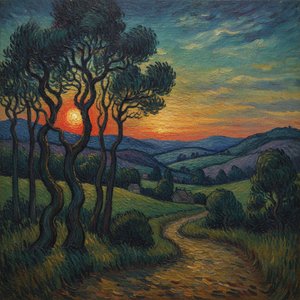
Beyond the Light: Capturing Raw Emotion and Subjective Vision in Post-Impressionist Landscapes
Explore the profound emotional depth of Post-Impressionist landscapes. Discover how masters like Van Gogh moved beyond light to capture raw human feeling through vibrant color and expressive texture in this expert art history retrospective.
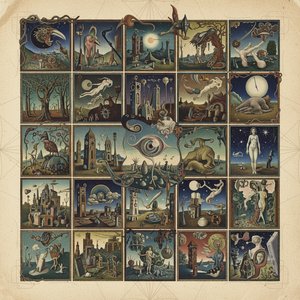
맥스 어른스트 최고 걸작 25선: 꿈과 무의식의 화가, 공간에 예술을 더하다
맥스 어른스트 최고 걸작 25선을 만나보세요. 초현실주의 화가 어른스트의 꿈, 무의식, 혁신적인 기법이 담긴 명화들을 감상하고, 공간에 예술적 영감을 불어넣으세요. OriginalUniqueArt.com에서 고품질 미술 작품을 컬렉션하세요.

Evocations of Place: A Historical Journey Through Landscape Art
Explore the rich history of landscape art with OriginalUniqueArt. Discover renowned artists, movements like Impressionism & Romanticism, and expert guidance for collecting timeless pieces. Find your perfect serene escape today!

낭만 풍경화의 황홀! 예술사에 빛난 10대 걸작 탐구 | 와후아트
낭만주의 시대, 예술혼을 불태운 10대 풍경화 걸작! 터너부터 프리드리히까지, 시대를 초월하는 아름다움을 와후아트에서 만나보세요. 고흐의 색채와 코로의 섬세함이 당신의 공간에 영감을 더합니다. 지금 바로 와후아트에서 명품 미술 작품을 감상하고 구매하세요!
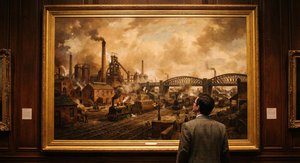
Industrial Revolution on Canvas: 10 Artworks That Define a Modern Aesthetic
Explore 10 iconic artworks capturing the Industrial Revolution’s grit & beauty. From Monet to Manet, discover realism, impressionism & powerful scenes of urban life. Find museum-quality reproductions for your home at OriginalUniqueArt.com.