

 실제 크기로 보기
 보내기
보내기 공유하기
공유하기
 상세 보기
상세 보기 가이드 보기

 이미지 다운로드
 유사 작품 더 보기
 X-레이
X-레이 슬라이드 쇼 보기
 통계 정보
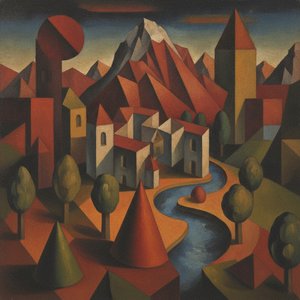
통계 정보Landscape with Rooftops
 Cubism
 41.0 x 51.0 cm
 Ben Uri Gallery - Museum
 상세 보기
상세 보기
핸드메이드 유화 복제화
작가가 직접 캔버스에 손으로 그린 유화 작품으로, 원하는 크기와 액자로 맞춤 제작해 드립니다. ( 프린트 판매로 전환 디지털 이미지 판매 채널로 전환)




































작품의 원본 비율을 그대로 유지하는 프리셋 사이즈 중에서 선택해 보세요.

특정 프레임이나 공간에 맞춰 원하는 크기를 직접 입력하실 수 있습니다. 선택하신 크기가 원본 이미지의 비율과 일치하지 않을 경우, 작품을 자르거나 추가적인 수작업 요소를 더해 그림을 확장하여 제작합니다. 제작 시작 전, 최종 확인을 위해 디지털 목업을 보내드립니다.
화면상의 미리 보기는 실제 크롭(자르기)이나 확장된 상태를 완벽히 반영하지 않을 수 있습니다. 최종 구도는 오직 목업을 통해서만 정확하게 확인하실 수 있습니다.
맞춤 크기 제작도 가능하지만, 원본의 비율을 그대로 유지하기 위해서는 미리 정의된 목록에서 크기를 선택하시는 것을 권장합니다.
주문 완료 후 OriginalUniqueArt.com 팀에서 상세 안내를 위해 고객님께 이메일을 보내드리며, 미리보기 시안을 함께 제공해 드립니다.


 유리 옵션은 110cm 미만 크기에서만 선택 가능합니다.

Landscape with Rooftops
재현 매체
복제본 규격
-


총 결제 금액
$ 300
작가 소개
Maurice Mancini Roith: A Visionary of Intimate Landscapes and Self-Reflection
Maurice Mancini Roith (1900-1958) remains a quietly compelling figure in 20th-century British art, an artist whose distinctive style – characterized by intimate portraits, evocative landscapes, and a profound exploration of self – has only recently begun to receive the recognition it deserves. Born in Brest-Litovsk, Russia (now Belarus), into a Jewish family, Roith’s early life was marked by displacement and ultimately led him to settle in London's East End, where he established himself as both a painter and a small business owner. His artistic journey, punctuated by periods of intense creativity and quiet observation, reveals a deeply personal and uniquely expressive vision.
Roith’s formative years were shaped by his early exposure to the vibrant art scene of Covent Garden Opera House, where he worked as a scene painter. This experience provided invaluable insight into theatrical design and stagecraft, influencing his later compositions with their carefully constructed spaces and dramatic lighting effects. Crucially, it was during this time that he began studying part-time at the Westminster School of Art under the tutelage of Walter Sickert and Bernard Meninsky – artists whose influence is readily apparent in Roith’s early work, particularly its exploration of form, color, and psychological depth.
The Development of a Distinctive Style
Roith's artistic style evolved over time, moving from the more conventional portraiture of his initial years to a deeply personal and often unsettling mode of self-representation. His self-portraits, particularly those created during the 1940s and 50s, are arguably his most significant contribution to British art. These aren’t simply likenesses; they are explorations of identity, anxiety, and the complexities of the human psyche. Works like “Man in the Mirror” (held in the Ben Uri Collection) exemplify this, depicting himself reflected in a concave mirror, creating a layered image that speaks to introspection and perhaps even a degree of unease. The use of impasto – thick application of paint – adds texture and physicality to these portraits, conveying a sense of raw emotion.
Beyond his self-portraits, Roith produced a series of evocative landscapes, often set in the Sussex countryside near his home in Ditchling. These paintings are not merely representations of scenery; they are imbued with a palpable atmosphere and a deep understanding of light and color. His “Landscape with Rooftops” demonstrates this skill, employing Cubist techniques to break down forms and create a dynamic, almost fractured view of the cityscape. The muted palette and geometric composition contribute to a mood of quiet contemplation.
Themes and Influences
Roith’s work is deeply rooted in the psychological landscape of the 20th century. The anxieties and uncertainties of the era – fueled by war, social upheaval, and the rise of modernism – are subtly reflected in his art. His use of symbolism—the mirror, the fragmented cityscape, the unsettling animal-human hybrid in “Jug and Puppet”— invites interpretation and encourages viewers to engage with the work on a deeper level. The influence of Surrealism is evident, particularly in the dreamlike quality of some of his self-portraits.
Furthermore, Roith’s background as a scene painter undoubtedly informed his approach to composition and perspective. The theatricality of stage design—the manipulation of space, light, and color—is translated into his paintings, creating works that are both visually arresting and emotionally resonant. His work also reveals an interest in interior spaces – the quiet intimacy of studios and drawing rooms – often depicted with a meticulous attention to detail.
Legacy and Recognition
Despite his talent and artistic vision, Maurice Mancini Roith remained largely obscure during his lifetime. His work was exhibited sporadically, primarily through the efforts of Ben Uri Art Society, which holds a significant collection of his paintings. It wasn’t until after his death in 1958 that his unique style began to attract wider attention. Today, Roith is increasingly recognized as a significant figure in British art – an artist who offered a profoundly personal and psychologically astute exploration of the human condition through intimate portraits and evocative landscapes.
His paintings are now housed in public collections across the UK, including the Ben Uri Collection and the Tate Archive. Roith’s legacy lies not only in his individual works but also in his willingness to confront difficult emotions and explore the complexities of self-identity – a testament to the enduring power of art to illuminate the human experience.

maurice mancini roith
1900 - 1958
작가 정보 요약
- Artistic Movement Or Style: Cubism, Portraiture
- Artists Or Movements Influenced By This Artist: ['Ben Uri Collection']
- Artists Who Influenced This Artist:
- Walter Sickert
- Bernard Meninsky
- Date Of Birth: 1900
- Date Of Death: 1958
- Full Name: Maurice Mancini Roith
- Nationality: British
- Notable Artworks:
- Lady
- Jug and Puppet
- Landscape with Rooftops
- Place Of Birth: Brest-Litovsk, Russia
관련 기사

Evocations of Place: A Historical Journey Through Landscape Art
Explore the rich history of landscape art with OriginalUniqueArt. Discover renowned artists, movements like Impressionism & Romanticism, and expert guidance for collecting timeless pieces. Find your perfect serene escape today!
Cubist Landscapes: Redefining Perspective Through Geometric Mastery and the Evolution of Modern Vision
Explore the profound evolution of Cubist landscapes. Discover how masters like Braque and Picasso redefined perspective through geometric mastery, transforming nature into an intellectual mosaic of form and light for the discerning modern art collector.

낭만 풍경화의 황홀! 예술사에 빛난 10대 걸작 탐구 | 와후아트
낭만주의 시대, 예술혼을 불태운 10대 풍경화 걸작! 터너부터 프리드리히까지, 시대를 초월하는 아름다움을 와후아트에서 만나보세요. 고흐의 색채와 코로의 섬세함이 당신의 공간에 영감을 더합니다. 지금 바로 와후아트에서 명품 미술 작품을 감상하고 구매하세요!

Evocations of Place: A Historical Journey Through Landscape Art
Explore the rich history of landscape art with OriginalUniqueArt. Discover renowned artists, movements like Impressionism & tonalism, and expert guidance for collecting timeless pieces. Find your perfect serene escape today!
Redefining Nature: A Collector's Guide to the Geometric Beauty of Cubist Landscapes
Explore the revolutionary world of Cubist landscapes. Discover how masters like Picasso and Braque redefined nature through geometric beauty, and learn expert tips for curating these transformative masterpieces in your modern home collection.