프린트 판매로 전환
 상세 보기
상세 보기







































 가로 또는 세로 중 어느 한 면이라도 105cm(약 41인치)를 초과하는 작품이나 복제화의 경우, 프레임은 분해된 키트 형태로 배송됩니다. 이는 안전한 배송을 보장하고 운송 중 발생할 수 있는 손상을 방지하기 위함입니다.


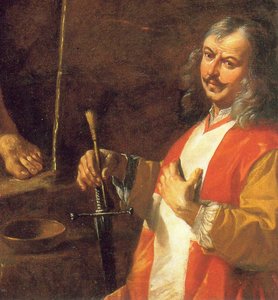
Mattia Preti’s Wedding at Cana: A Testament to Divine Grace
The painting “Wedding at Cana” by Mattia Preti, completed in 1655-60, transcends mere depiction; it embodies the profound spiritual significance of Baroque art and serves as a poignant reminder of faith's transformative power. Executed during Preti’s prolific period in Malta—a nation deeply invested in Catholic piety—this monumental canvas captures a pivotal biblical narrative with breathtaking realism and masterful compositional artistry. The artwork resides within The National Gallery, London, offering visitors an unparalleled opportunity to experience the artist’s genius firsthand.A Dramatic Encounter Between Tradition and Revelation
Mattia Preti's artistic journey began under Giovanni Battista Caracciolo, immersing him in the influential Caravaggist style characterized by dramatic chiaroscuro—the masterful manipulation of light and shadow—a technique that would permeate his entire oeuvre. Before relocating to Rome in 1630, he honed his skills alongside fellow artists, absorbing the stylistic innovations championed by Caravaggio and Guercino, figures who fundamentally reshaped artistic expression during their time. This formative experience instilled within Preti an unwavering dedication to portraying human emotion with unflinching honesty and conveying spiritual truths through visual grandeur.Technical Brilliance: Baroque Composition and Color Palette
The painting’s execution showcases Preti's exceptional technical prowess. Employing oil on canvas, he meticulously rendered the scene with painstaking detail, capturing the textures of fabrics, faces, and foliage alike. The artist skillfully utilized a rich color palette—dominated by warm reds and golds—to illuminate the festive atmosphere and emphasize the central miracle. Furthermore, Preti’s masterful compositional arrangement guides the viewer's gaze towards the focal point: Jesus transforming water into wine, symbolizing divine grace overcoming earthly limitations. Careful attention to perspective contributes to the illusion of depth, immersing the spectator in the immediacy of the biblical event.Symbolism Rooted in Christian Theology
Beyond its aesthetic beauty, “Wedding at Cana” resonates with profound theological symbolism. The wedding feast itself represents the sacrament of marriage—a cornerstone of Christian faith—and symbolizes the divine blessing bestowed upon humankind. Jesus’ intervention underscores God's compassion and his willingness to intervene in human affairs to fulfill promises made millennia ago. The miracle serves as an allegory for overcoming adversity and achieving spiritual fulfillment, mirroring the broader narrative arc of salvation history. As interpreted by Bishop Fulton J. Sheen, Preti’s depiction captures a moment of grace—a foreshadowing of Christ's ultimate triumph over death—making it a timeless emblem of faith’s transformative potential.Emotional Resonance: Capturing Joyful Celebration and Divine Wonder
The painting’s emotional impact is undeniable. The artist skillfully conveys the palpable joy of the wedding guests, their expressions reflecting delight and amazement at the miraculous transformation unfolding before their eyes. Preti's portrayal captures not merely a visual spectacle but also the spiritual fervor associated with encountering God’s divine presence—a feeling that continues to inspire viewers centuries later. “Wedding at Cana” stands as an enduring testament to Baroque art’s ability to evoke profound emotion and illuminate the deepest truths of Christian belief.질의응답
마티아 프레티의 "Wedding at Cana"은(는) 얼마나 잘 알려져 있나요?
"Wedding at Cana"은(는) Iconic 등급으로 분류됩니다.
마티아 프레티의 "Wedding at Cana"의 형식에는 어떤 배치가 어울릴까요?
마티아 프레티의 "Wedding at Cana"의 작품 형태(Landscape)와 추천 공간(Hotel Lobby)은 이 작품에 기록된 두 가지 배치 정보입니다.
1655년에 제작된 "Wedding at Cana"은(는) 마티아 프레티의 커리어 중 어느 시기에 해당하나요?
1655년에 제작된 "Wedding at Cana"은 마티아 프레티의 예술적 발전 과정 중 Mature Baroque에 해당합니다.
More about this painting
 실제 크기로 보기
 보내기
보내기 공유하기
공유하기
 상세 보기
상세 보기 가이드 보기

 이미지 다운로드
 유사 작품 더 보기
 X-레이
X-레이 슬라이드 쇼 보기
 Q&A
Q&A 통계 정보
통계 정보