

 미리보기
미리보기
 프린트 구매
 공유하기
공유하기 공유하기
공유하기
 상세 정보
상세 정보

 다운로드
다운로드
 유사 작품
유사 작품 X-레이
X-레이 슬라이드 쇼
St John Cast into Prison


 더 보기
더 보기




P118B $10

P118H $10

P118W $10

P438Z $10

P508JH $12

P508YH $12

P805H $10

P805Z $10

P919BZ $10

P919G $10

P919XJ $10

P959ZH $10

P968JZ $12

W106C $8

W218G $10

W218JH $8

W218Y $10

W307PJ $10

W316G $10

W316PJ $8

W316Y $10

W398PJ $8

W4111J $10

W500HY $15

W500JH $15

W692G $12

W849H $8

W940BG $15

W953PJ $8




작품의 원본 비율을 유지하는 미리 설정된 크기 중에서 선택하세요.

특정 프레임이나 공간에 맞도록 직접 크기를 입력할 수 있습니다. 선택하신 크기가 원본 이미지의 비율과 일치하지 않는 경우, 작품을 자르거나 추가적인 손으로 그린 요소를 사용하여 그림을 확장합니다. 제작 시작 전 승인을 위해 디지털 목업을 보내드립니다.
화면 미리 보기는 실제 자르기 또는 확장을 반영하지 않습니다. 최종 구성은 목업을 통해서만 정확하게 확인하실 수 있습니다.
맞춤 크기 제작도 가능하지만, 원본 비율을 유지하기 위해 사전 정의된 목록에서 크기를 선택하시는 것을 권장합니다.
주문 후 OriginalUniqueArt.com 팀에서 상세 안내를 위해 고객님께 이메일을 보내드리며, 미리보기 시안을 제공해 드립니다.


 유리 옵션은 110cm 미만 크기에서만 선택 가능합니다.

St John Cast into Prison
재현 기법
복제본 크기
-


최종 결제 금액
$ 300
작품 상세 설명
The Weight of Faith: Mattia Preti’s “St John Cast into Prison”
Within the hushed confines of the Conventual Church of St. John in Valletta, Malta, hangs a fresco that transcends mere depiction; it is a visceral embodiment of suffering, faith, and the enduring spirit of martyrdom. Mattia Preti's "St John Cast into Prison," painted in 1661, isn’t simply a historical scene—it’s a dramatic tableau brimming with Baroque intensity, a testament to the artist’s mastery of light, shadow, and psychological depth. The painting immediately commands attention not through opulent grandeur, but through a carefully orchestrated sense of unease and profound sorrow. Preti, a Calabrian knight deeply influenced by Caravaggio's revolutionary approach to art, masterfully utilizes tenebrism – a stark contrast between light and dark – to draw the viewer into the heart of the narrative.
The focal point is undoubtedly St. John the Baptist, rendered not as an idealized saint but as a man stripped bare, both physically and spiritually. His loincloth exposes his vulnerability, while his long hair and beard speak to a life lived in service of faith, now brutally curtailed. The dynamism of his pose—a desperate reach towards an unseen tormentor—suggests a struggle far greater than mere imprisonment; it embodies the agonizing weight of betrayal and persecution. Surrounding him is a chaotic assembly of figures: soldiers bearing spears, fellow prisoners radiating despair, and onlookers caught in moments of horrified observation. Each face is meticulously rendered with individual expression, conveying a spectrum of emotions – fear, anger, resignation—that amplifies the overall sense of drama.
Baroque Drama and Caravaggist Roots
Preti’s artistic lineage is inextricably linked to Caravaggio, whose influence permeates every aspect of this fresco. Like Caravaggio, Preti employed a dramatic use of light to highlight key figures and create a powerful emotional impact. The strong directional lighting casts deep shadows, emphasizing the textures of clothing and flesh, lending an almost sculptural quality to the scene. This technique isn’t merely aesthetic; it serves to heighten the sense of drama and underscore the suffering endured by St. John. Furthermore, Preti's composition echoes Caravaggio’s penchant for grouping figures in dynamic arrangements, creating a visual rhythm that guides the viewer’s eye through the narrative.
The painting is firmly rooted within the Baroque period, characterized by its emotional intensity, dramatic lighting, and elaborate ornamentation. However, Preti departs from some of the more overtly decorative tendencies of the era, opting for a greater emphasis on realism and psychological depth. The faces of the prisoners are particularly compelling—they aren’t idealized representations of suffering but rather portraits of genuine anguish. This commitment to portraying human emotion distinguishes Preti's work and elevates it beyond mere historical illustration.
Symbolism and Historical Context
Beyond its immediate narrative, “St John Cast into Prison” is rich in symbolic meaning. The shield bearing the cross above St. John’s head serves as a potent reminder of his martyrdom—a sacrifice made in defense of his faith. The chaotic scene surrounding him reflects the turbulent political and religious climate of 17th-century Malta, where the Knights Hospitaller, to whom St. John was devoted, were embroiled in conflicts with various European powers. The painting can be interpreted as a commentary on the persecution faced by Christians during this period, highlighting their resilience and unwavering commitment.
The fresco’s location within the Conventual Church of St. John further enhances its significance. It served not only as a devotional image for pilgrims but also as a powerful symbol of the Order's dedication to St. John the Baptist—a figure revered throughout Christendom. The painting’s placement within this sacred space underscores its enduring importance and its ability to evoke profound spiritual reflection.
A Legacy of Emotion and Technique
“St John Cast into Prison” is more than just a beautiful artwork; it's a poignant meditation on faith, suffering, and the human condition. Mattia Preti’s masterful use of light, shadow, and composition creates a scene that is both visually arresting and emotionally resonant. The painting’s enduring appeal lies in its ability to capture the intensity of a pivotal moment in Christian history while simultaneously exploring universal themes of betrayal, resilience, and hope. Reproductions of this powerful fresco offer a remarkable opportunity to experience Preti's artistic genius firsthand, bringing a touch of Baroque drama and spiritual depth into any space.
작가 약력
바로크의 칼라브리아 기사
'일 카발리에르 칼라브레제(Il Cavalier Calabrese)', 즉 '칼라브리아의 기사'로 알려진 마티아 프레티는 17세기 이탈리아 바로크 회화의 중추적인 인물입니다. 1613년 2월 24일 칼라브리아의 타베르나에서 태어난 그의 예술적 여정은 역동적인 진화의 과정이었습니다. 그는 다양한 영향력을 흡수하며 자신만의 독창적이고 표현력이 풍부한 스타일을 완성해 나갔고, 이는 미술계에 지울 수 없는 발자취를 남겼습니다. 특히 생애 후반 많은 시간을 보낸 몰타에서 그의 예술적 위상은 더욱 빛을 발했습니다. 프레티의 초기 교육은 카라바조주의 운동에 깊이 뿌리를 둔 화가 조반니 바티스타 카라치올로 아래에서 시작되었습니다. 이러한 기초적인 경험은 그에게 빛과 그림자의 강렬한 상호작용인 드라마틱한 '키아로스쿠로(chiaroscuro)'에 대한 깊은 이해를 심어주었으며, 평생 그의 작품을 상징하는 특징이 될 사실적인 묘사에 대한 집념을 길러주었습니다. 1630년 이전, 그는 형 그레고리오를 따라 로마로 향했고, 카라바조, 구에르치노, 루벤스, 귀도 레니, 조반니 란프란코 등 당대를 정의했던 거장들을 연구하며 도시의 예술적 열기 속에 자신을 몰입시켰습니다. 이 시기는 그의 기술적 숙련도뿐만 아니라 미적 감수성을 형성하는 데 결정적인 역할을 했습니다.역동적인 스타일의 구축
프레티의 예술적 발전은 단순한 모방에 그치지 않았습니다. 그것은 다양한 영향력을 정교하게 엮어 자신만의 독특한 양식으로 승화시킨 종합적인 결실이었습니다. 초기에는 카라바조주의의 영향을 깊게 받았으나, 그는 점차 그 엄격한 틀을 넘어 하이 바로크(High Baroque)를 특징짓는 역동성과 감정적 강렬함을 수용했습니다. 나폴리에서의 시간은 이러한 진화를 더욱 정교하게 만들었으며, 루카 조르다노의 활기찬 작품들을 접할 기회를 제공했습니다. 이 시기를 거치며 프레뮬의 캔버스는 에너지 넘치는 움직임과 복잡한 구도, 그리고 고조된 드라마로 가득 차기 시작했습니다. 그는 카라바조로부터 물려받은 빛과 그림자의 극적인 대비를 단순한 기술적 장치가 아닌, 감정적 충격을 심화시키고 관람객의 시선을 유도하는 수단으로 능숙하게 사용했습니다. 그의 인물들은 표현력 넘치는 얼굴과 역동적인 몸짓을 통해 손에 잡힐 듯한 감정을 전달합니다. 경건함, 고통, 황홀경과 같은 강력한 감정을 불러일으키는 이러한 능력은 그의 작품 세계를 정의하는 핵심적인 특징이 되었습니다. 그는 단순히 장면을 묘사하는 것에 만족하지 않고, 성서적 서사와 종교적 도상에 생명력을 불어넣어 그것들을 *생동감 있게* 구현하고자 했습니다.이탈리아 전역의 의뢰와 걸작들
마티아 프레티의 재능은 빠르게 인정받았고, 이는 이탈리아 전역에서의 중요한 작품 의뢰로 이어졌습니다. 경력 초기, 그는 산 안드레아 델라 발레와 산 카를로 아이 카티나리 같은 로마의 교회들을 위해 인상적인 프레스코 사이클을 제작하며 대규모 장식 회화에 대한 탁월한 재능을 보여주었습니다. 모데나의 산 비아조 교회에서 선보인 작업은 다양한 건축적 환경에 자신의 스타일을 적응시키는 능력을 입증했습니다. 비록 안타깝게도 소실되었지만, 나폴리의 일곱 성문에 그린 프레스코화는 그의 가장 야심 찬 작품 중 하나였습니다. 성모나 성인들이 역병으로부터 사람들을 구원하는 모습을 담았던 이 작업은 현재 스케치로만 남아있으나, 그 기념비적인 창작물의 규모와 영향력을 증명하기에 충분합니다. 이러한 의뢰들은 단순히 후원자의 요청을 수행하는 것을 넘어, 프레티가 자신이 봉사하는 공동체의 종교적, 문화적 삶과 교감하며 자신의 예술에 의미와 목적을 부여하는 소중한 기회였습니다.몰타의 정점: 성 요한 대성당
그러나 마티아 프레티가 예술적 성취의 정점에 도달한 곳은 바로 몰타였습니다. 1660년 성 요한 기사단의 기사로 임명된 그는 발레타에 위치한 성 요한 대성당 내부를 완전히 재단장하는 변혁적인 프로젝트에 착수했습니다. 그의 가장 중요한 유산이라 할 수 있는 이 작업에는 세례 요한의 생애와 순교를 묘사한 놀라운 연작들이 포함되었습니다. 프로젝트의 규모는 그야말로 압도적이었습니다. 프레티는 관람객을 감싸 안아 성인의 이야기 속으로 몰입시키는 시각적 서사를 창조해냈습니다. 화려한 바로크 양식의 배경은 그의 드라마틱한 스타일을 펼치기에 완벽한 캔버스가 되었고, 그 결과 탄생한 작품들은 그를 유럽의 선도적인 화가 중 한 명으로 각인시켰습니다. 성 요한 대성당에서의 작업은 단순한 장식을 넘어선 하나의 신앙 고백이자, 기사단의 종교적 정체성을 강력하게 표현하는 헌신적인 행위였습니다.영원히 남을 유산
몰타에서의 성공 이후, 마티아 프레티는 유럽 전역으로부터 의뢰를 받으며 이탈리아 바로크 미술의 거장으로서 입지를 더욱 공고히 했습니다. 그는 1699년에 세상을 떠났지만, 오늘날까지도 관객들에게 영감을 주고 매료시키는 풍요로운 예술적 유산을 남겼습니다. 빛과 그림자의 숙련된 사용, 역동적인 구도, 그리고 강렬한 감정을 전달하는 능력은 여전히 그의 양식을 상징하는 특징으로 남아있습니다. 그의 공헌은 나폴리의 카포디몬테 미술관 등에 보존되어 있으며, OriginalUniqueArt.com과 같은 플랫폼을 통한 복제본들을 통해 그의 예술이 새로운 세대에게 계속해서 전달되고 있습니다. 프레티 작품의 지속적인 영향력은 아마도 성 요한 대성당의 벽 안에서 가장 생생하게 느껴질 것입니다. 그곳은 그의 예술적 천재성과 바로크 미학에 대한 흔들림 없는 헌신을 보여주는 숨 막히는 증거입니다. 일 카발리에르 칼라브레제라는 칭호는 그가 기사로서뿐만 아니라, 자신의 비전으로 세상을 밝힌 거장 화가로서 진정으로 얻어낸 명예였습니다.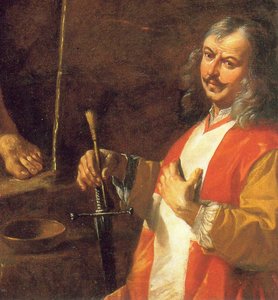
마티아 프레티
1613 - 1699 , 이탈리아
주요 정보
- Artistic Movement Or Style: 바로크
- Artists Or Movements Influenced By This Artist:
- Stringa
- Mola
- Artists Who Influenced This Artist:
- Caravaggio
- Guercino
- Rubens
- Reni
- Lanfranco
- Giordano
- Date Of Birth: 1613년 2월 24일
- Date Of Death: 1699년
- Full Name: 마티아 프레티
- Nationality: 이탈리아
- Notable Artworks:
- 성전세
- 압살롬의 잔치
- 헤로데를 꾸짖는 성 요한
- Place Of Birth: 이탈리아 타베르나
관련 기사 더 보기

존 컨스터블 대표작 25선: 영국 풍경화의 거장, 자연과 감성을 담은 명화 컬렉션 | OriginalUniqueArt
존 컨스터블 대표작 25선을 만나보세요. 영국 풍경화 거장의 자연주의 회화, 데담 밸리의 아름다움과 헤이 웨인의 정취를 담은 명화를 감상하세요. OriginalUniqueArt에서 고품질 예술 작품 복제본을 소장하고 특별한 인테리어를 완성해보세요. 지금 바로 컬렉션을 탐험하세요!

존 싱어 사전트의 걸작 25선: 빛과 우아함으로 완성된 예술 세계 | OriginalUniqueArt
존 싱어 사전트의 대표작 25선을 만나보세요. 인상주의 초상화부터 빛과 색채가 아름다운 유화까지, 그의 예술 세계를 탐험하고 OriginalUniqueArt에서 고품질 아트 프린트로 거실 장식을 완성하세요. 지금 온라인 컬렉션을 확인하세요!

바로크의 드라마: 현대 인테리어에 풍요로움과 감동을 불어넣기
바로크 예술의 풍요로운 세계를 탐험하고, 현대 인테리어에 감동을 불어넣는 방법을 OriginalUniqueArt에서 만나보세요. 카라바조, 렘브란트 등 거장들의 작품과 키아로스쿠로 기법 활용 노하우를 공개합니다.

The Dramatic Flourish: Exploring the Baroque Movement's Enduring Legacy in Art History
Explore the dramatic world of Baroque art! Discover iconic artists like Caravaggio & Rubens, defining techniques, and its lasting impact on art history. Expert insights for collectors & enthusiasts at OriginalUniqueArt.

Baroque Painting's Greatest Hits: 10 Masterpieces for Your Home | OriginalUniqueArt
Journey through Baroque painting's glory! Explore 10 masterpieces by Caravaggio, Rembrandt & Vermeer. Discover dramatic lighting, rich colors & timeless stories. Find museum-quality art reproductions for your home at OriginalUniqueArt.com.


