

 실제 크기로 보기
 보내기
보내기 공유하기
공유하기
 상세 보기
상세 보기 가이드 보기

 이미지 다운로드
 유사 작품 더 보기
 X-레이
X-레이 슬라이드 쇼 보기
 통계 정보
통계 정보St Gregory


 상세 보기
상세 보기
지클레 / 아트 프린트
빠른 제작과 다양한 마감 옵션을 선택할 수 있는 박물관 수준의 지클레이 및 캔버스 프린트. ( 수작업 채색 복제본 주문하기 디지털 이미지 판매 채널로 전환)




P118B $10

P118H $10

P118W $10

P438Z $10

P508JH $12

P508YH $12

P805H $10

P805Z $10

P919BZ $10

P919G $10

P919XJ $10

P959ZH $10

P968JZ $12

W106C $8

W218G $10

W218JH $8

W218Y $10

W307PJ $10

W316G $10

W316PJ $8

W316Y $10

W398PJ $8

W4111J $10

W500HY $15

W500JH $15

W692G $12

W849H $8

W940BG $15

W953PJ $8




작품의 원본 비율을 그대로 유지하는 프리셋 사이즈 중에서 선택해 보세요.

특정 프레임이나 공간에 맞춰 직접 치수를 입력하실 수 있습니다. 선택하신 사이즈가 원본 이미지의 비율과 일치하지 않을 경우, 작품을 크롭(자르기)하거나 이미지를 대칭 또는 단색 채우기로 확장하여 제작합니다. 제작 시작 전, 최종 확인을 위해 디지털 목업이 전송됩니다.
화면상의 미리보기는 실제 크롭이나 확장 상태를 반영하지 않으므로, 최종 구도는 오직 목업을 통해서만 정확하게 확인하실 수 있습니다.
맞춤 사이즈 제작도 가능하지만, 원본 비율을 유지하기 위해서는 사전 정의된 목록에서 치수를 선택하시는 것을 권장합니다.


 유리 옵션은 110cm 미만 크기에서만 선택 가능합니다.

St Gregory
지클레 / 아트 프린트
복제본 규격
-


총 결제 금액
$ 80
The Enigmatic Saint Gregory by Matthias Stom
Matthias Stom’s “St. Gregory,” housed within the Kunstmuseum Basel, isn't merely a depiction of a revered figure; it’s a carefully constructed meditation on faith, doubt, and the profound mystery at the heart of Christian belief. Painted circa 1640-1649 during his time in Italy – a period marked by intense artistic exchange between the Netherlands and the Italian Baroque – this oil on canvas work transcends simple portraiture to become a powerful visual narrative. Stom, a shadowy figure within the Utrecht Caravaggist movement, masterfully employs the dramatic chiaroscuro characteristic of both Caravaggio and Ribera, bathing the scene in pools of light that sculpt Gregory’s form and draw the viewer's eye towards his contemplative gaze.
The subject itself – Pope St. Gregory I, often referred to as “the Great” – is rendered with a remarkable degree of realism, yet imbued with an almost ethereal quality. He isn’t presented in triumphant splendor, but rather in a moment of quiet introspection, gazing upwards towards a soaring bird—a potent symbol of divine grace and the promise of salvation. The composition is deliberately restrained, focusing entirely on Gregory's face and hands as he reaches out to touch the wound inflicted upon Christ during his Passion. This gesture isn’t one of physical reverence, but rather an act of profound understanding – a recognition of the sacrifice made for humanity.
A Caravaggist Masterpiece: Technique and Style
Stom's artistic lineage is deeply rooted in the Italian Caravaggisti, those Northern European painters who were captivated by the intensity and dramatic lighting of Caravaggio’s style. Like his predecessors, Stom prioritized a direct, unidealized representation of the human form, emphasizing texture and anatomical detail. Note the rough handling of the fabrics, the subtle variations in skin tone, and the expressive quality of Gregory's face – all hallmarks of the Utrecht Caravaggist tradition. The use of tenebrism—the stark contrast between light and dark—creates a sense of drama and immediacy, pulling the viewer into the scene and intensifying the emotional impact.
Furthermore, Stom’s background in Amersfoort, a city with strong ties to the Flemish artistic tradition, is evident in his meticulous attention to detail and his masterful rendering of textures. The dark, almost claustrophobic background—a deliberate choice that isolates Gregory—heightens the sense of intimacy and encourages contemplation. The inclusion of the books on the shelf subtly reinforces the theme of learning and spiritual inquiry, suggesting that faith isn’t simply a matter of belief but also of diligent study and reflection.
Historical Context and Symbolism
To fully appreciate “St. Gregory,” it's crucial to understand its historical context. The 17th century was a period of intense religious fervor in Europe, marked by both the Counter-Reformation and the rise of Protestantism. The Catholic Church actively sought to utilize art as a tool for evangelization, commissioning works that would inspire piety and reinforce orthodox doctrine. Stom’s painting reflects this trend, presenting Gregory not as an abstract theological figure but as a relatable human being grappling with profound spiritual questions.
Beyond the immediate depiction of St. Gregory, the image is rich in symbolism. The bird represents divine guidance and the hope of eternal life. The wound on Christ’s side symbolizes sacrifice and redemption. And the act of touching it signifies a personal encounter with faith—a recognition that salvation isn't simply received but actively embraced. The inclusion of the books suggests the importance of intellectual understanding alongside spiritual devotion.
A Timeless Reflection: Emotional Impact
“St. Gregory” is more than just a beautiful painting; it’s a deeply moving work of art that continues to resonate with viewers centuries after its creation. The artist's masterful use of light and shadow, combined with the subject’s profound expression of faith and doubt, creates an atmosphere of quiet contemplation. The image invites us to consider our own relationship with spirituality—to grapple with the mysteries of life and death, and to seek guidance in the face of uncertainty.
Reproductions of this piece offer a remarkable opportunity to bring Stom’s evocative vision into any space, serving as a constant reminder of the enduring power of faith, reflection, and artistic mastery. Its dramatic intensity and symbolic depth make it an ideal addition to both private collections and institutional settings alike.
작가 소개
바로크의 그림자 속 거장: 마티아스 스톰을 드러내다
마티아스 스톰, 혹은 때때로 스토머라 불렸던 그의 이름은 17세기 회화사의 기록 속에 매혹적인 신비로움을 머금은 채 울려 퍼집니다. 그의 삶은 여전히 모호함의 안개 속에 가려져 있는 네덜란드 화가였지만, 스톰은 자신의 고국이 아닌 이탈리아의 역동적인 예술적 풍경 속에서 자신만의 독보적인 영역을 구축했습니다. 1600년경 유트레히트 인근의 아메르테르담에서 태어난 것으로 추정되는 그는 빛과 그림자의 극적인 사용, 그리고 사실주의에 대한 흔들림 없는 헌신으로 정의되는 카라바조주의(Caravaggism)의 궤도 안에서 강렬한 존재감을 드러냈습니다. 확정적인 전기적 세부 사항은 부족하지만, 파편화된 기록과 양식 분석을 통해 재구성해 본 그의 여정은 예술적 탐구와 당대 바로크 감수성과의 깊은 교감으로 점철되어 있습니다. 그의 기원에 관한 불확실성—일부 학자들은 플랑드르 혈통의 가능성을 제기하기도 합니다—은 그의 작품 세계를 둘러싼 신비로운 매력을 더욱 더해줍니다.유트레히트의 영향에서 이탈리아로의 몰입까지
스톰의 초기 교육 과정은 상당 부분 추측에 의존하고 있으나, 게르하르트 판 혼토르스트, 헨드릭 테르 브뤼헌, 파울루스 모렐세, 아브라함 블로메르트와 같은 저명한 유트레히트 카라바조주의자들로부터 영향을 받았을 것이라는 견해가 지배적입니다. 이 화가들은 미켈란젤로 메리시 다 카라바조의 혁신적인 양식을 받아들여, 빛과 어둠의 극명한 대비를 이루는 테네브리즘(tenebrism)과 정서적으로 충만한 사실주의를 네덜란드 예술에 가져왔습니다. 그러나 스톰의 예술적 궤적은 풍속화나 알레고리적 구도를 선호했던 동시대의 많은 화가들과는 다른 길을 걸었습니다. 그는 성서적 서사에 매료되었으며, 그 이야기에 심리적 깊이와 극적인 강렬함을 불어넣어 자신만의 차별화된 경지를 만들어냈습니다. 1630년경 로마에 도착한 그는 프랑스 화가 니콜라 프로보와 함께 생활했던 것으로 기록되어 있습니다. 이는 그의 발전 과정에서 결정적인 순간이었으며, 카라바조의 영감이 시작된 원천을 직접 마주하고 이탈리아 바로크의 심장부에서 자신의 기법을 정교하게 다듬는 계기가 되었습니다. 로마에서의 초기 활동은 현재 키우두노에 소장된 세 명의 성인이 등장하는 '성모 승천' 제단화로 정점에 달했으며, 이는 그의 싹트는 키아로스쿠로(chiaroscuro) 숙련도와 서사적 힘을 잘 보여줍니다.나폴리, 시칠리아, 그리고 독창적인 예술적 목소리
스톰의 예술적 생애의 다음 장들은 이탈리아 반도를 가로지르며 펼쳐졌습니다. 약 1635년부터 1640년까지 그는 예술적 에너지가 넘치고 스페인 화가 후세페 데 리베라의 강력한 영향력 아래 있던 도시, 나폴리에 머물렀습니다. 이러한 경험은 그의 극적인 양식을 더욱 연마시켰으며, 작품에 한층 높아진 사실주의와 정서적 강렬함을 더해주었습니다. 이 시기에 스톰은 카푸친 수도회 교회들을 위한 작품들을 제작하기 시작하며 숙련된 종교 화가로서의 명성을 공고히 했습니다. 1640년경 그는 자신의 경력 중 가장 중요한 시기를 보낼 시칠리아로 이동했습니다. 이곳에서 그는 카카모, 메시나, 몬레알레의 교회들로부터 의뢰를 받아 그의 가장 찬란한 걸작들을 탄생시켰습니다. 성 이시도르의 기적(1641)은 그가 남긴 유일하게 확실한 연대가 기록된 작품으로, 종교적 사건이 지닌 영적 열정과 인간적 드라마를 동시에 포착해내는 그의 능력을 증명하는 증거입니다. 몬레알레의 '성 도미니쿠스'와, 안타깝게도 1908년 메시나 지진으로 소실된 '성 세실리아의 순교' 또한 시칠리아 시절의 주목할 만한 창작물입니다. 빛과 그림자를 다루는 거장다운 솜씨와 결합된 스톰 특유의 "점토 같은" 피부 표현은 그의 양식을 상징하는 특징이 되었습니다.재발견과 영원한 유산
생전의 왕성한 활동에도 불구하고, 마티아스 스톰은 1652년 이후 이탈리아 북부에서 사망한 뒤 수 세기 동안 상대적인 무명 상태에 머물렀습니다. 그의 많은 작품이 다른 화가들, 특히 게르하르트 판 혼토르스트의 것으로 오인되면서 바로크 운동에 기여한 그의 개인적 공헌은 가려지기도 했습니다. 20세기에 들어서야 헌신적인 학문적 연구를 통해 스톰을 둘러싼 미스터리가 풀리기 시작했고, 그는 유트레히트 카라바조주의 학파의 중요한 인물로 확립되었습니다. 그의 재발견은 극적인 구도를 통해 심오한 정서적 깊이를 전달할 수 있는 놀라운 기술과 감수성을 지닌 예술가를 세상에 다시 알리는 계기가 되었습니다. 스톰의 유산은 이탈리아 바로크의 영향과 북유럽의 감수성을 결합해낸 능력에 있습니다. 그는 오늘날까지도 관람객을 매료시키는 독특한 예술적 목소리를 창조해냈습니다. 그는 카라바조 양식의 강력한 적응력을 입증하며, 그 영향력이 이탈리아를 넘어 확장될 수 있음을 보여주었으며, 빛과 그림자의 숙련된 사용과 종교적 주제에 대한 사실적인 묘사로 후대 예술가들에게 영감을 주었습니다.스톰 작품의 주요 특징
- 극적인 키아로스쿠로: 빛과 어둠 사이의 강렬한 대비를 사용하여 드라마틱한 분위기를 조성하고 시선을 집중시키는 그의 양식적 특징입니다.
- 사실적 묘사: 해부학적 정확성과 정서적 진실성을 바탕으로 인물과 장면을 그려내는 흔들림 없는 헌신을 보여줍니다.
- 성서적 서사: 주로 성경 속 이야기들을 주제로 삼으며, 그 안에 심리적인 깊이를 불어넣습니다.
- "점토 같은" 피부톤: 피부색을 표현하기 위해 따뜻하고 흙빛이 도는 팔레트를 사용하는 독특한 기법입니다.
- 카라바조와 리베라의 영향: 이 바로크 거장들의 양식을 명확히 이해하고 자신만의 방식으로 재해석하여 적용했습니다.

마티아스 스톰
1590 - 1670 , 네덜란드
작가 정보 요약
- Artistic Movement Or Style: 위트레흐트 카라바조주의
- Artists Or Movements Influenced By This Artist: ['후기 바로크 예술가들']
- Artists Who Influenced This Artist:
- 카라바조
- 후세페 데 리베라
- Date Of Birth: 약 1600년
- Date Of Death: 1652년 이후
- Full Name: 마티아스 스톰
- Nationality: 네덜란드
- Notable Artworks:
- 성모 승천
- 성 이시도르의 기적
- 성 도미니코
- 솔로몬의 재판
- Place Of Birth: 네덜란드 아메르스포르트
관련 기사

화려함 속에 감춰진 진실! 바로크 미술을 정의한 10대 걸작 탐구
화려함과 극적인 표현이 압권! 바로크 미술을 대표하는 10대 걸작의 숨겨진 이야기를 만나보세요. 베르니니, 루벤스 등 거장의 작품부터 바로크 색감, 예술적 기법까지 – OriginalUniqueArt.com에서 명품 복제 & 인테리어 영감을 얻으세요! 지금 바로 컬렉션을 탐험해보세요.

Drama and Light: A Definitive Guide to the Italian Baroque Masterpieces and the Revolution of Chiaroscuro
Explore the dramatic world of Italian Baroque art. Discover how masters like Caravaggio used chiaroscuro and tenebrism to revolutionize painting through light, shadow, and profound realism. A definitive guide for history lovers and art collectors.

바로크의 드라마: 현대 인테리어에 풍요로움과 감동을 불어넣기
바로크 예술의 풍요로운 세계를 탐험하고, 현대 인테리어에 감동을 불어넣는 방법을 OriginalUniqueArt에서 만나보세요. 카라바조, 렘브란트 등 거장들의 작품과 키아로스쿠로 기법 활용 노하우를 공개합니다.

The Dramatic Flourish: Exploring the Baroque Movement's Enduring Legacy in Art History
Explore the dramatic world of Baroque art! Discover iconic artists like Caravaggio & Rubens, defining techniques, and its lasting impact on art history. Expert insights for collectors & enthusiasts at OriginalUniqueArt.
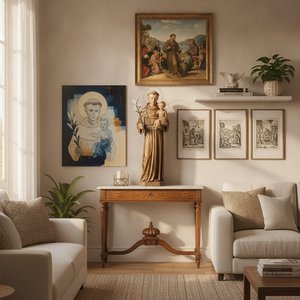
Discover the Divine: Inspiring Saint Anthony Artworks to Elevate Your Home Decor
Transform your home with the profound beauty of Saint Anthony artworks. Explore exquisite Baroque reproductions by Murillo and Zurbarán, hand-painted on 100% cotton canvas to bring divine serenity and timeless elegance to your interior design.