

 실제 크기로 보기
 보내기
보내기 공유하기
공유하기
 상세 보기
상세 보기 가이드 보기

 이미지 다운로드
 유사 작품 더 보기
 X-레이
X-레이 슬라이드 쇼 보기
 통계 정보
통계 정보St Catherine
 Chalk
Chalk- Northern Renaissance
 1520
1520 316.0 x 215.0 cm
 슈타틸리체 무제엔
 상세 보기
상세 보기
핸드메이드 유화 복제화
작가가 직접 캔버스에 손으로 그린 유화 작품으로, 원하는 크기와 액자로 맞춤 제작해 드립니다. ( 프린트 판매로 전환 디지털 이미지 판매 채널로 전환)




P118B ₩10

P118H ₩10

P118W ₩10

P438Z ₩10

P508JH ₩12

P508YH ₩12

P805H ₩10

P805Z ₩10

P919BZ ₩10

P919G ₩10

P919XJ ₩10

P959ZH ₩10

P968JZ ₩12

W106C ₩8

W218G ₩10

W218JH ₩8

W218Y ₩10

W307PJ ₩10

W316G ₩10

W316PJ ₩8

W316Y ₩10

W398PJ ₩8

W4111J ₩10

W500HY ₩15

W500JH ₩15

W692G ₩12

W849H ₩8

W940BG ₩15

W953PJ ₩8




작품의 원본 비율을 그대로 유지하는 프리셋 사이즈 중에서 선택해 보세요.

액자나 벽면 크기에 맞춰 필요한 가로와 세로 길이를 입력해 주세요. 본 작품은 수작업으로 제작되므로, 요청하신 비율에 따라 작가가 그림의 가장자리를 조금 더 넓게 그리거나 일부를 조정하여 작업할 수 있습니다. 작업 시작 전, 최종 확인을 위해 디지털 목업 이미지를 보내드립니다. 이 페이지에 표시된 이미지는 실제 결과물과 다를 수 있으며, 오직 목업 이미지만이 정확한 결과물을 보여줍니다.
주문 완료 후 OriginalUniqueArt.com 팀에서 상세 안내를 위해 고객님께 이메일을 보내드리며, 미리보기 시안을 함께 제공해 드립니다.


 유리 옵션은 110cm 미만 크기에서만 선택 가능합니다.

St Catherine
재현 매체
복제본 규격
-


총 결제 금액
₩ 410582
The Enigmatic Saint: Matthias Grünewald’s St Catherine
Matthias Grünewald's 1520 chalk drawing, “St Catherine,” is more than just a portrait; it’s a profound meditation on faith, scholarship, and the enduring power of medieval symbolism. This remarkable work, currently residing in the Staatliche Museen zu Berlin, offers a captivating glimpse into the artist’s unique vision – a synthesis of late Gothic sensibilities with nascent Renaissance influences. Grünewald, a pivotal figure in German art, deliberately eschewed the prevailing Italian humanist trends, instead drawing deeply from the rich traditions of Central European religious painting, resulting in an intensely personal and emotionally resonant style.
The image depicts St Catherine from the waist up, her head tilted slightly downwards as if lost in contemplation. Her posture exudes a quiet dignity, while the subtle turn of her neck invites us into her inner world. She’s dressed in a gown with voluminous sleeves – a detail that speaks to both the formality of her status and the luxurious fabrics favored by wealthy patrons during the period. Crucially, she holds two objects: an open book or manuscript, symbolizing her role as a learned scholar, and a sword raised upright, representing her martyrdom and unwavering faith. These symbols aren’t merely decorative; they are potent visual statements about Catherine's life and devotion.
A Study in Northern Renaissance Technique
Grünewald’s masterful technique is immediately apparent. The drawing is executed with exquisite detail using chalk on paper, a medium that allowed for the delicate shading and fine lines characteristic of his work. Notice the subtle gradations of tone – the way light catches on her dress, the modeling of her face, and the atmospheric haze in the background. This meticulous attention to texture and form creates a remarkable sense of depth and realism, despite the relatively small scale of the piece. The artist’s use of chalk also lends a slightly ethereal quality to the image, contributing to its contemplative mood.
Furthermore, Grünewald's style deviates significantly from the prevailing Renaissance aesthetic. Unlike the idealized figures favored by artists like Albrecht Dürer, Catherine is rendered with a certain distortion – her proportions aren’t perfectly symmetrical, and her features possess an expressive intensity. This deliberate departure from classical ideals reflects Grünewald’s commitment to conveying emotional truth rather than purely visual accuracy. The background, deliberately minimalistic, consists of only a few suggestive lines—perhaps hinting at a cloudy sky or an abstract representation of the heavens – further emphasizing the saint's presence and drawing our focus entirely onto her.
Historical Context and Symbolic Resonance
Created in 1520, “St Catherine” exists within a fascinating transitional period in art history. Grünewald was working at a time when the influence of Italian Renaissance humanism was beginning to spread across Europe, yet he remained firmly rooted in the traditions of late medieval Central European painting. The saint herself holds significant religious importance – she is venerated as a martyr and patron saint of scholars, librarians, and translators. Her story, recounted in early Christian hagiographies, details her conversion after being saved from execution by St Peter, who recognized her divine calling.
Interestingly, the figure of Catherine has been associated with intellectual pursuits for centuries. Her association with learning stems from her devotion to scripture and her role as a translator of the Bible. The book she holds in the drawing symbolizes this scholarly dedication, while the sword represents her willingness to defend her faith against persecution. The combination of these symbols creates a powerful image of a woman who embodies both spiritual strength and intellectual prowess.
A Legacy of Emotion and Innovation
“St Catherine” is a testament to Matthias Grünewald’s artistic genius – a work that seamlessly blends technical skill with profound emotional depth. It's a poignant reminder of the artist’s ability to capture not just the likeness of his subject, but also her inner world. The drawing’s enduring appeal lies in its ability to evoke a sense of quiet contemplation and spiritual yearning. As a significant example of Northern Renaissance art, it continues to inspire artists and scholars alike, offering a valuable window into the artistic and intellectual landscape of 16th-century Germany.
질의응답
마티아스 그뤼네발트의 "St Catherine"에 대한 가이드가 있나요?
마티아스 그뤼네발트의 "St Catherine"의 가이드 페이지에서는 인쇄 가능한 두 장 분량의 학습용 팩트시트를 제공합니다. 여기에는 작품과 작품 정보표, 작가의 생애 속 시기를 보여주는 연대기, 해당 작가의 다른 작품들, 측정된 컬러 팔레트, 그리고 네 가지 스타일로 바로 복사하여 사용할 수 있는 인용 문구가 포함되어 있습니다.
마티아스 그뤼네발트의 "St Catherine"을(를) 슬라이드쇼로 어떻게 감상할 수 있나요?
"St Catherine"의 슬라이드쇼는 작품의 슬라이드쇼 페이지에서 감상하실 수 있습니다.
마티아스 그뤼네발트의 "St Catherine"의 주요 색상은 무엇인가요?
마티아스 그뤼네발트의 "St Catherine"의 주요 색상은 Putty (#e9decc)입니다.
작가 소개
마티아스 그뤼네발트: 삶과 유산
초기 생애와 예술적 여정의 시작
독일 뷔르츠부르크에서 1470~1475년경 마티스 고트하르트 나이트하르트라는 이름으로 태어난 마티아스 그뤼네발트는 독일 르네상스의 중추적인 인물이었습니다. 이 시기는 이탈리아 르네상스의 이상주의가 점차 확산되던 때였음에도 불구하고, 그뤼네발트는 중세 후기 중앙유럽의 예술적 전통에 깊은 뿌리를 두고 있었습니다. 그의 초기 생애에 대한 구체적인 기록은 드물지만, 그는 지역 화실에서 예술가로서의 기틀을 닦으며 성장했음을 알 수 있습니다.
예술적 발전과 영향력
그뤼네발트의 예술적 성장은 사실주의와 정서적 강렬함, 그리고 세밀한 관찰력을 중시하던 북유럽 전통의 영향을 받으며 형성되었습니다. 그의 작품에서는 알브레히트 뒤러나 마르틴 쇼엔가우어 같은 거장들의 흔적이 엿보이기도 하지만, 그는 단순히 이를 따르는 데 그치지 않고 극적인 표현과 생생한 색채를 특징으로 하는 자신만의 독창적인 길을 개척했습니다. 이탈리아에서 유행하던 인문주의 서클에 직접적으로 참여하기보다는, 그의 예술은 당대의 영적 불안을 투영하며 주로 종교적인 목적을 수행하는 데 집중되었습니다.
주요 작품과 예술적 양식
- 이젠하임 제단화 (1512-1516): 콜마르의 뮐뤼스 박물관(Musée d'Unterlinden)에 소장된 이 걸작은 그뤼네발트의 최고 역작으로 손꼽힙니다. 그리스도의 생애를 처절할 정도의 사실주의로 그려낸 이 작품은 특히 고통과 구원의 서사에 초점을 맞추고 있습니다.
- 십자가 처형 (c. 1502-1503): 그의 초기작으로서, 발전해가는 예술적 양식과 함께 강렬한 감정 및 해부학적 세밀함을 잘 보여줍니다.
- 수태고지 성모 (1512-14): 이젠하임 제단화를 위한 습작으로, 작품을 완성하기 위한 그의 치밀한 계획 과정을 엿볼 수 있습니다.
그뤼네발트의 화풍은 다음과 같은 독보적인 요소들로 정의됩니다.
- 극적인 구도: 그는 감정적 충격을 극대화하기 위해 역동적인 배치를 활용했습니다.
- 생생한 색채 팔레트: 강렬하고 때로는 대비가 뚜렷한 색상의 사용은 관람객에게 강력한 시각적 경험을 선사합니다.
- 고통의 사실적 묘사: 그는 종교적 서사에 수반되는 육체적, 정신적 고통을 묘사하는 데 있어 결코 주저하지 않았습니다.
- 표현력이 풍부한 인물: 그의 인물들은 깊은 심리적 깊이와 강렬한 감정으로 가득 차 있습니다.
역사적 의의와 예술적 유산
그뤼네발트의 작품은 르네상스 시대 독일에서 중세 예술 전통이 지녔던 지속적인 힘을 증명하는 소중한 유산입니다. 그는 후기 고딕 양식과 새롭게 떠오르는 르네상스 사이의 간극을 메우며, 당대인들의 마음을 울리는 독특한 시각적 언어를 창조해냈습니다. 그의 영향력은 종교적 열정과 정서적 강렬함을 탐구했던 이후 독일 예술가들에게도 고스란히 이어졌습니다. 1528년 그의 사후 수 세기 동안 대중의 기억 속에서 잊혀지기도 했으나, 19세기에 이르러 재조명받기 시작한 그는 오늘날 독일 르네상스를 대표하는 가장 중요한 화가 중 한 명으로 인정받고 있습니다. 그의 예술은 가공되지 않은 날 것 그대로의 감정과 기술적 탁월함, 그리고 심오한 영적 깊이를 통해 오늘날의 관람객들에게도 여전히 깊은 울림을 주고 있습니다.
더 알아보기
마티아스 그뤼네발트의 삶과 작품에 대한 더 자세한 내용은 다음에서 확인하세요: OriginalUniqueArt

마티아스 그뤼네발트
1480 - 1528 , 독일
작가 정보 요약
- Birth Date: c. 1470–1475
- Birth Place: 독일 뷔르츠부르크
- Death Date: 1528
- Movement: 독일 르네상스, 후기 중세
- Name: 마티아스 그뤼네발트
- Nationality: 독일
- Notable Works: 이젠 알타르(Isenheim Altarpiece), 십자가 처형
관련 기사
Late Medieval Masterpieces: 10 Artworks That Defined an Era | OriginalUniqueArt
Journey through 10 defining Late Medieval masterpieces – from Giotto's frescoes to Jan van Eyck’s realism. Explore the stories, techniques & vibrant colors of Gothic art. Find museum-quality reproductions and elevate your home decor with OriginalUniqueArt.com! Discover all masterpieces on OriginalUniqueArt.com
High Medieval Art: 10 Masterpieces That Shaped an Era | OriginalUniqueArt
Journey through High Medieval Art! Explore 10 iconic masterpieces – from Giotto's frescoes to stunning Gothic cathedrals. Discover the stories behind these timeless paintings, sculptures & illuminated manuscripts. Find museum-quality art reproductions at OriginalUniqueArt.com.
The Nuances of Graphite: Exploring Emotional Depth & Technical Mastery in Pencil Drawing
Explore the captivating world of graphite drawing! Discover its rich history, master essential techniques like chiaroscuro, and learn how artists evoke emotion through this timeless medium. Expert insights for art enthusiasts.
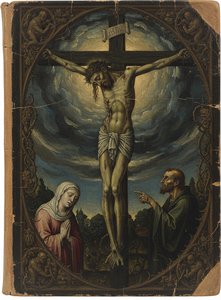
Matthias Grünewald: Devotion, Distortion & Spiritual Turmoil in Renaissance Art
Explore the profound religious art of Matthias Grünewald, master of the Isenheim Altarpiece. Discover his unique expressionism, symbolism & lasting impact on Renaissance painting. A guide for collectors and enthusiasts.

엘 그레코 걸작 25선: 영혼을 울리는 신성한 예술의 세계 | OriginalUniqueArt
엘 그레코의 영혼을 담은 걸작 25선을 만나보세요. 스페인 화가 엘 그레코의 종교화, 마니에리스모 스타일, 그리고 그의 대표작들을 OriginalUniqueArt에서 감상하고 특별한 인테리어 아트 아이디어를 얻으세요. 지금 바로 컬렉션을 탐험하세요!


