

 미리보기
미리보기
 공유하기
공유하기 공유하기
공유하기
 상세 정보
상세 정보

 다운로드
다운로드
 유사 작품
유사 작품 X-레이
X-레이 슬라이드 쇼
 통계 정보
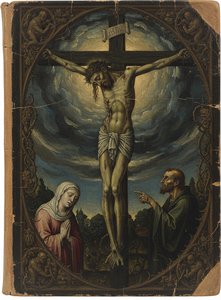
통계 정보St Anthony (detail)


 더 보기
더 보기
수제 유화 복제품
원하는 크기와 액자로 주문 제작되는, 작가들이 직접 캔버스에 손으로 그린 유화 작품입니다. ( 프린트 판매로 전환 디지털 이미지로 전환)




P118B $10

P118H $10

P118W $10

P438Z $10

P508JH $12

P508YH $12

P805H $10

P805Z $10

P919BZ $10

P919G $10

P919XJ $10

P959ZH $10

P968JZ $12

W106C $8

W218G $10

W218JH $8

W218Y $10

W307PJ $10

W316G $10

W316PJ $8

W316Y $10

W398PJ $8

W4111J $10

W500HY $15

W500JH $15

W692G $12

W849H $8

W940BG $15

W953PJ $8




작품의 원본 비율을 유지하는 미리 설정된 크기 중에서 선택하세요.

특정 프레임이나 공간에 맞도록 직접 크기를 입력할 수 있습니다. 선택하신 크기가 원본 이미지의 비율과 일치하지 않는 경우, 작품을 자르거나 추가적인 손으로 그린 요소를 사용하여 그림을 확장합니다. 제작 시작 전 승인을 위해 디지털 목업을 보내드립니다.
화면 미리 보기는 실제 자르기 또는 확장을 반영하지 않습니다. 최종 구성은 목업을 통해서만 정확하게 확인하실 수 있습니다.
맞춤 크기 제작도 가능하지만, 원본 비율을 유지하기 위해 사전 정의된 목록에서 크기를 선택하시는 것을 권장합니다.
주문 후 OriginalUniqueArt.com 팀에서 상세 안내를 위해 고객님께 이메일을 보내드리며, 미리보기 시안을 제공해 드립니다.


 유리 옵션은 110cm 미만 크기에서만 선택 가능합니다.

St Anthony (detail)
재현 기법
복제본 크기
-


최종 결제 금액
$ 300
The Weight of the Desert: A Study in Medieval Devotion
Matthias Grünewald’s “St Anthony (detail)” is not merely a portrait; it's an immersion into the psychological and spiritual landscape of 16th-century Germany. Painted around 1515, this intimate depiction captures a moment of profound contemplation within the saint’s solitary desert existence – a world rendered with startling realism amidst the conventions of late medieval art. The painting immediately draws the eye to Anthony's face: etched with lines of worry and deep thought, his gaze is directed slightly off-center, suggesting an internal struggle, a battle waged not against external foes but against the seductive whispers of temptation. The muted palette – dominated by earthy browns, ochres, and subtle blues – reinforces this sense of introspection, creating a space that feels both grounded and profoundly melancholic.
- Technique: Grünewald’s mastery lies in his meticulous attention to detail. The texture of Anthony's beard is rendered with an almost sculptural quality, each strand meticulously painted; the folds of his crimson cloak are subtly defined, conveying a sense of weight and movement. The use of *sfumato*, a technique borrowed from Renaissance masters, softens the edges and creates a hazy atmosphere, contributing to the painting’s dreamlike quality.
- Composition: The composition is deliberately restrained, focusing entirely on Anthony and his immediate surroundings. This intensifies the sense of isolation and draws the viewer into the saint's inner world. The dark background serves to further isolate the figure, emphasizing his vulnerability and spiritual struggle.
Echoes of the Isenheim Altarpiece
“St Anthony (detail)” is inextricably linked to Grünewald’s monumental Isenheim Altarpiece, a work that profoundly shaped the artist's style and vision. While the altarpiece itself is a complex tapestry of religious imagery, this panel offers a concentrated distillation of its core themes: temptation, solitude, and the enduring power of faith. The stylistic similarities are striking – the same dramatic use of light and shadow, the same intense emotionality, and the same willingness to depict human suffering with unflinching honesty. It’s believed that Grünewald was working on this detail while simultaneously contributing to the larger altarpiece project, demonstrating a remarkable capacity for simultaneous creation.
Research Note: The Isenheim Altarpiece offers an unparalleled opportunity to witness Grünewald’s artistic genius in full context, revealing the depth and complexity of his vision.Symbolism: The Desert's Silent Language
Beyond its immediate depiction of St. Anthony, the painting is laden with symbolic meaning. The barren landscape surrounding the saint represents the harsh realities of desert life – a place of deprivation, solitude, and constant temptation. The small cell within the ruined tower symbolizes Anthony’s retreat into himself, his dedication to prayer and contemplation. The presence of the demonic figures, rendered in shadowy detail, underscores the ongoing struggle against evil that defines the saint's journey. Notably, the inclusion of a small crucifix within the cell suggests the ultimate source of strength and salvation – a reminder of Christ’s sacrifice and the promise of redemption.
- The Red Hat: The distinctive red hat worn by Anthony is not merely decorative; it's a symbol of his dedication to the Franciscan Order, signifying humility and service.
- The Deer: The deer in the foreground represents worldly desires and temptations, subtly hinting at the challenges Anthony faces in maintaining his spiritual purity.
A Window into the Soul
“St Anthony (detail)” transcends its status as a mere religious painting; it’s a profound meditation on human nature – on our capacity for both great suffering and enduring faith. Grünewald's ability to capture the weight of the desert, the intensity of inner turmoil, and the quiet dignity of a man wrestling with his demons is truly remarkable. This intimate portrait invites viewers to contemplate their own struggles, their own temptations, and their own search for meaning in a world often characterized by uncertainty and despair. It remains a powerful testament to the enduring legacy of one of Germany’s greatest Renaissance artists.
작가 약력
마티아스 그뤼네발트: 삶과 유산
초기 생애와 예술적 여정의 시작
독일 뷔르츠부르크에서 1470~1475년경 마티스 고트하르트 나이트하르트라는 이름으로 태어난 마티아스 그뤼네발트는 독일 르네상스의 중추적인 인물이었습니다. 이 시기는 이탈리아 르네상스의 이상주의가 점차 확산되던 때였음에도 불구하고, 그뤼네발트는 중세 후기 중앙유럽의 예술적 전통에 깊은 뿌리를 두고 있었습니다. 그의 초기 생애에 대한 구체적인 기록은 드물지만, 그는 지역 화실에서 예술가로서의 기틀을 닦으며 성장했음을 알 수 있습니다.
예술적 발전과 영향력
그뤼네발트의 예술적 성장은 사실주의와 정서적 강렬함, 그리고 세밀한 관찰력을 중시하던 북유럽 전통의 영향을 받으며 형성되었습니다. 그의 작품에서는 알브레히트 뒤러나 마르틴 쇼엔가우어 같은 거장들의 흔적이 엿보이기도 하지만, 그는 단순히 이를 따르는 데 그치지 않고 극적인 표현과 생생한 색채를 특징으로 하는 자신만의 독창적인 길을 개척했습니다. 이탈리아에서 유행하던 인문주의 서클에 직접적으로 참여하기보다는, 그의 예술은 당대의 영적 불안을 투영하며 주로 종교적인 목적을 수행하는 데 집중되었습니다.
주요 작품과 예술적 양식
- 이젠하임 제단화 (1512-1516): 콜마르의 뮐뤼스 박물관(Musée d'Unterlinden)에 소장된 이 걸작은 그뤼네발트의 최고 역작으로 손꼽힙니다. 그리스도의 생애를 처절할 정도의 사실주의로 그려낸 이 작품은 특히 고통과 구원의 서사에 초점을 맞추고 있습니다.
- 십자가 처형 (c. 1502-1503): 그의 초기작으로서, 발전해가는 예술적 양식과 함께 강렬한 감정 및 해부학적 세밀함을 잘 보여줍니다.
- 수태고지 성모 (1512-14): 이젠하임 제단화를 위한 습작으로, 작품을 완성하기 위한 그의 치밀한 계획 과정을 엿볼 수 있습니다.
그뤼네발트의 화풍은 다음과 같은 독보적인 요소들로 정의됩니다.
- 극적인 구도: 그는 감정적 충격을 극대화하기 위해 역동적인 배치를 활용했습니다.
- 생생한 색채 팔레트: 강렬하고 때로는 대비가 뚜렷한 색상의 사용은 관람객에게 강력한 시각적 경험을 선사합니다.
- 고통의 사실적 묘사: 그는 종교적 서사에 수반되는 육체적, 정신적 고통을 묘사하는 데 있어 결코 주저하지 않았습니다.
- 표현력이 풍부한 인물: 그의 인물들은 깊은 심리적 깊이와 강렬한 감정으로 가득 차 있습니다.
역사적 의의와 예술적 유산
그뤼네발트의 작품은 르네상스 시대 독일에서 중세 예술 전통이 지녔던 지속적인 힘을 증명하는 소중한 유산입니다. 그는 후기 고딕 양식과 새롭게 떠오르는 르네상스 사이의 간극을 메우며, 당대인들의 마음을 울리는 독특한 시각적 언어를 창조해냈습니다. 그의 영향력은 종교적 열정과 정서적 강렬함을 탐구했던 이후 독일 예술가들에게도 고스란히 이어졌습니다. 1528년 그의 사후 수 세기 동안 대중의 기억 속에서 잊혀지기도 했으나, 19세기에 이르러 재조명받기 시작한 그는 오늘날 독일 르네상스를 대표하는 가장 중요한 화가 중 한 명으로 인정받고 있습니다. 그의 예술은 가공되지 않은 날 것 그대로의 감정과 기술적 탁월함, 그리고 심오한 영적 깊이를 통해 오늘날의 관람객들에게도 여전히 깊은 울림을 주고 있습니다.
더 알아보기
마티아스 그뤼네발트의 삶과 작품에 대한 더 자세한 내용은 다음에서 확인하세요: OriginalUniqueArt

마티아스 그뤼네발트
1480 - 1528 , 독일
주요 정보
- Birth Date: c. 1470–1475
- Birth Place: 독일 뷔르츠부르크
- Death Date: 1528
- Movement: 독일 르네상스, 후기 중세
- Name: 마티아스 그뤼네발트
- Nationality: 독일
- Notable Works: 이젠 알타르(Isenheim Altarpiece), 십자가 처형
관련 기사 더 보기

High Medieval Art: 10 Masterpieces That Shaped an Era | OriginalUniqueArt
Journey through High Medieval Art! Explore 10 iconic masterpieces – from Giotto's frescoes to stunning Gothic cathedrals. Discover the stories behind these timeless paintings, sculptures & illuminated manuscripts. Find museum-quality art reproductions at OriginalUniqueArt.com.

엘 그레코 걸작 25선: 영혼을 울리는 신성한 예술의 세계 | OriginalUniqueArt
엘 그레코의 영혼을 담은 걸작 25선을 만나보세요. 스페인 화가 엘 그레코의 종교화, 마니에리스모 스타일, 그리고 그의 대표작들을 OriginalUniqueArt에서 감상하고 특별한 인테리어 아트 아이디어를 얻으세요. 지금 바로 컬렉션을 탐험하세요!

Late Medieval Masterpieces: 10 Artworks That Defined an Era | OriginalUniqueArt
Journey through 10 defining Late Medieval masterpieces – from Giotto's frescoes to Jan van Eyck’s realism. Explore the stories, techniques & vibrant colors of Gothic art. Find museum-quality reproductions and elevate your home decor with OriginalUniqueArt.com! Discover all masterpieces on OriginalUniqueArt.com

Divine Splendor: A Guide to the Sacred Beauty and Symbolic Depth of High Medieval Art
Embark on a scholarly journey through the sacred beauty of High Medieval art. Discover the profound symbolism, luminous iconography, and spiritual depth of Gothic masterpieces in this expert guide for classical art enthusiasts.
Matthias Grünewald: Devotion, Distortion & Spiritual Turmoil in Renaissance Art
Explore the profound religious art of Matthias Grünewald, master of the Isenheim Altarpiece. Discover his unique expressionism, symbolism & lasting impact on Renaissance painting. A guide for collectors and enthusiasts.


