
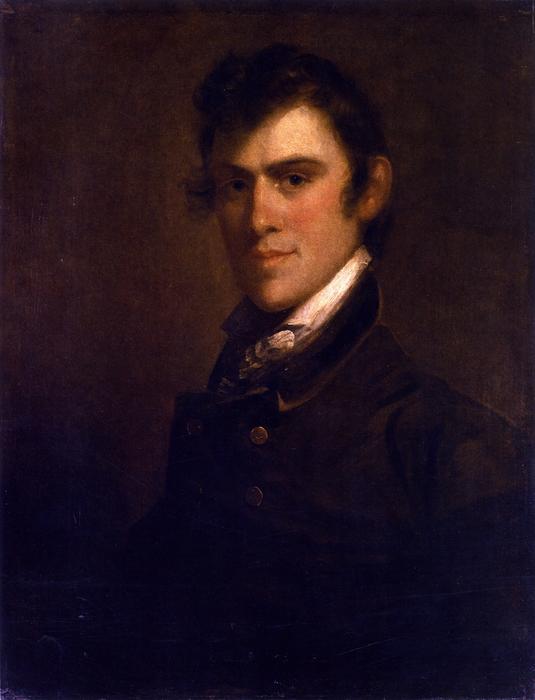
 실제 크기로 보기
 보내기
보내기 공유하기
공유하기
 상세 보기
상세 보기 가이드 보기

 이미지 다운로드
 유사 작품 더 보기
 X-레이
X-레이 슬라이드 쇼 보기
 통계 정보
통계 정보Matthew Harris Jouett


 상세 보기
상세 보기
지클레 / 아트 프린트
빠른 제작과 다양한 마감 옵션을 선택할 수 있는 박물관 수준의 지클레이 및 캔버스 프린트. ( 수작업 채색 복제본 주문하기 디지털 이미지 판매 채널로 전환)




P118B $10

P118H $10

P118W $10

P438Z $10

P508JH $12

P508YH $12

P805H $10

P805Z $10

P919BZ $10

P919G $10

P919XJ $10

P959ZH $10

P968JZ $12

W106C $8

W218G $10

W218JH $8

W218Y $10

W307PJ $10

W316G $10

W316PJ $8

W316Y $10

W398PJ $8

W4111J $10

W500HY $15

W500JH $15

W692G $12

W849H $8

W940BG $15

W953PJ $8




작품의 원본 비율을 그대로 유지하는 프리셋 사이즈 중에서 선택해 보세요.

특정 프레임이나 공간에 맞춰 직접 치수를 입력하실 수 있습니다. 선택하신 사이즈가 원본 이미지의 비율과 일치하지 않을 경우, 작품을 크롭(자르기)하거나 이미지를 대칭 또는 단색 채우기로 확장하여 제작합니다. 제작 시작 전, 최종 확인을 위해 디지털 목업이 전송됩니다.
화면상의 미리보기는 실제 크롭이나 확장 상태를 반영하지 않으므로, 최종 구도는 오직 목업을 통해서만 정확하게 확인하실 수 있습니다.
맞춤 사이즈 제작도 가능하지만, 원본 비율을 유지하기 위해서는 사전 정의된 목록에서 치수를 선택하시는 것을 권장합니다.


 유리 옵션은 110cm 미만 크기에서만 선택 가능합니다.

Matthew Harris Jouett
지클레 / 아트 프린트
복제본 규격
-


총 결제 금액
$ 80
Matthew Harris Jouett: A Pioneer of American Landscape Painting
Matthew Harris Jouett (1788–1827) stands as an enigmatic figure in the annals of early American art, largely overshadowed by luminaries like Gilbert Stuart and Thomas Cole. Yet, his contribution to establishing landscape painting as a respected artistic pursuit is undeniable—a testament to his unwavering dedication to capturing the sublime beauty of the Appalachian wilderness. Born on April 22nd, 1788, in Mercer County, Kentucky, Jouett’s life was tragically cut short at age 39, leaving behind a legacy of unfinished canvases and profound influence on subsequent generations of artists. His work embodies a distinctive blend of Romantic idealism and meticulous observation—a stylistic hallmark that distinguishes him from many of his contemporaries.- Subject Matter: Jouett’s artistic focus centered almost exclusively on landscapes, specifically the rugged mountains and valleys of Kentucky and Tennessee. Unlike Cole's grand vistas celebrating the majesty of the American West, Jouett eschewed monumental scale for intimate depictions—often rendered in watercolor—that prioritized capturing subtle tonal variations and atmospheric effects.
- Style: Jouett’s style can be characterized as Romantic Impressionism. He adopted techniques pioneered by Claude Lorrain and Nicolas Poussin, emphasizing idealized forms and dramatic lighting to convey emotion and grandeur. However, he skillfully blended these influences with the looser brushwork characteristic of Impressionist painters like Jean-Baptiste Camille Corot, resulting in a unique visual language that resonated deeply with his audience.
- Technique: Jouett’s mastery lay primarily in watercolor painting—a medium favored by artists seeking to achieve luminous color palettes and delicate textures. He employed wet-on-wet techniques extensively, allowing pigments to blend seamlessly into each other as they dried on the paper's surface. This approach demanded considerable patience and precision, reflecting Jouett’s meticulous attention to detail and his unwavering commitment to faithfully representing the natural world.
Historical Context: The Appalachian Frontier and Romantic Idealism Jouett’s artistic endeavors unfolded against the backdrop of America's westward expansion—a period marked by rapid settlement, economic growth, and burgeoning national identity. The Romantic movement, originating in Europe during the late 18th and early 19th centuries, championed emotion, imagination, and individualism as antidotes to Enlightenment rationalism. Jouett’s landscapes mirrored this ethos, conveying a sense of awe and reverence for the untamed wilderness—a realm perceived as embodying spiritual truth and moral virtue. His paintings served as visual expressions of the Romantic yearning for communion with nature—a sentiment shared by many artists and intellectuals of his time.
Symbolism: Capturing the Spirit of Place Jouett’s landscapes transcended mere topographical representation; they functioned as symbolic meditations on themes of solitude, contemplation, and transcendence. The misty mountains depicted in his canvases evoked a feeling of sublime grandeur—a confrontation with forces beyond human comprehension that simultaneously inspired terror and wonder. Jouett's use of color—particularly muted greens, blues, and browns—reinforced this sense of atmospheric depth and conveyed the profound stillness inherent in the Appalachian wilderness. These paintings weren’t simply depictions of scenery; they were invitations to experience a deeper connection with the natural world—a reflection of Jouett’s own philosophical convictions.
Emotional Impact: A Legacy of Untouched Beauty Despite his tragically premature demise, Matthew Harris Jouett's artistic vision continues to captivate viewers today. His landscapes possess an enduring quality—a palpable sense of serenity and contemplation that speaks to the human desire for escape from urban pressures and reconnection with primal forces. Jouett’s paintings remind us of the importance of preserving wilderness areas—serving as a poignant reminder of the sublime beauty that exists outside the confines of civilization. They stand as testament to his singular ability to translate emotion into visual form—leaving behind an indelible mark on American art history.
작가 소개
Thomas Gainsborough: A Painter of Light and Landscape
Thomas Gainsborough, a name synonymous with the quintessential English countryside, was more than just a painter; he was a chronicler of his time, a master of light and atmosphere, and a pivotal figure in establishing landscape painting as a respected art form. Born on May 14th, 1727, in Sudbury, Suffolk, into a family of cloth merchants, Gainsborough’s early life offered little indication of the artistic path he would ultimately forge. His apprenticeship with a London silversmith instilled a foundational understanding of craftsmanship and detail, while his brief association with Hubert Gravelot, a French book illustrator, introduced him to the world of engraving and provided an initial exposure to the techniques that would later inform his painting style. It was this early combination – precision and observation – that proved crucial to his enduring legacy.Early Years and Artistic Development
Gainsborough’s artistic journey began modestly, initially focusing on portraiture in Ipswich around 1752. However, he harbored a deep passion for landscape painting, a desire frequently expressed through poignant letters to his friend William Jackson, lamenting the demands of commissioned portraits and yearning for the tranquility of rural scenes. This inherent conflict – between commercial obligations and artistic inclination – shaped much of his career. His early landscapes, often characterized by loose brushwork and a vibrant palette, were largely experimental, seeking to capture not just the visual appearance of the countryside but also its mood and character. Influenced by artists like William Hogarth and Claude Lorrain, Gainsborough initially adhered to established conventions, yet he quickly developed his own distinctive style – one defined by an intuitive understanding of light, color, and composition. The influence of Dutch Masters, particularly Rembrandt’s masterful use of chiaroscuro (the contrast between light and dark), is subtly evident in the dramatic lighting effects that frequently grace his canvases.The Rise to Prominence: Portraits and Landscapes
By the late 1760s, Gainsborough had firmly established himself as a leading portrait painter in London, attracting a clientele of nobility and gentry eager to commission depictions of themselves and their families. His portraits were notable for their psychological depth and ability to capture not just physical likeness but also personality and mood. Simultaneously, he continued to develop his landscape paintings, gradually shifting towards a looser, more expressive style. He began incorporating elements of the Picturesque – an aesthetic valuing irregularity, spontaneity, and the sublime beauty of nature – into his work, rejecting the idealized landscapes favored by some of his contemporaries. This shift was partly influenced by the writings of William Gilpin and Thomas Pennant, who championed the appreciation of natural scenery. His depictions of figures within these landscapes—often rural laborers or shepherds—added a layer of social commentary to his art, subtly reflecting on the changing relationship between humanity and nature.Royal Patronage and Artistic Independence
Gainsborough’s success as a portraitist brought him into contact with influential figures, including the Duke and Duchess of Cumberland and, later, King George III and Queen Charlotte. These commissions provided financial security but also created tensions, particularly regarding the hanging of his paintings at the Royal Academy, which he felt undervalued his work. Frustrated by the Academy’s rigid adherence to classical principles, Gainsborough ultimately withdrew from their exhibitions in 1773, choosing instead to organize his own annual summer exhibitions in his studio at Schomberg House. This bold move demonstrated his artistic independence and solidified his position as a leading figure in the burgeoning art world of London. His decision to showcase his work independently allowed him greater control over how his paintings were presented and appreciated.Legacy and Lasting Influence
Thomas Gainsborough died on August 2nd, 1788, leaving behind a remarkable body of work that continues to captivate audiences today. His landscapes are celebrated for their atmospheric quality, capturing the essence of the English countryside with breathtaking beauty. His portraits, equally renowned, offer profound insights into the personalities and social contexts of his subjects. Gainsborough’s influence on subsequent generations of artists is undeniable; he helped to elevate landscape painting to a position of equal importance alongside portraiture, paving the way for Romantic painters like John Constable and J.M.W. Turner. His legacy extends beyond the art world, as his paintings have become iconic representations of English identity and rural life. The Tate’s collection, including the poignant self-portrait, stands as a testament to his enduring artistic vision.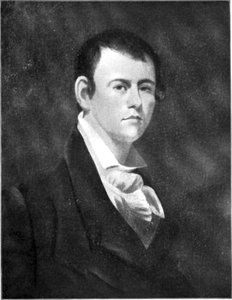
matthew harris jouett
1788 - 1827 , United States of America
작가 정보 요약
- Artistic Movement Or Style: Picturesque, Landscape
- Artists Or Movements Influenced By This Artist:
- Reynolds
- Rococo
- Artists Who Influenced This Artist: ['Hubert Gravelot']
- Date Of Birth: May 14, 1727
- Date Of Death: August 2, 1788
- Full Name: Thomas Gainsborough
- Nationality: British
- Notable Artworks:
- Musidora
- The Baillie Family
- Lady Rufford
- Place Of Birth: Sudbury, Suffolk, England
관련 기사

낭만 풍경화의 황홀! 예술사에 빛난 10대 걸작 탐구 | 와후아트
낭만주의 시대, 예술혼을 불태운 10대 풍경화 걸작! 터너부터 프리드리히까지, 시대를 초월하는 아름다움을 와후아트에서 만나보세요. 고흐의 색채와 코로의 섬세함이 당신의 공간에 영감을 더합니다. 지금 바로 와후아트에서 명품 미술 작품을 감상하고 구매하세요!

Evocations of Place: A Historical Journey Through Landscape Art
Explore the rich history of landscape art with OriginalUniqueArt. Discover renowned artists, movements like Impressionism & Romanticism, and expert guidance for collecting timeless pieces. Find your perfect serene escape today!

Watercolor Wonders: 10 Masterpieces That Redefined Art History | OriginalUniqueArt
Journey through 10 legendary watercolor masterpieces by Sargent, Turner & Homer! Explore iconic landscapes, portraits & floral art that redefined history. Find museum-quality reproductions and curated decor ideas at OriginalUniqueArt.com.

Ephemeral Visions: Exploring the Artistic Legacy & Nuances of Watercolor Painting
Explore the captivating world of watercolor painting! Discover its rich history, essential techniques, influential artists & collecting tips from art experts. A comprehensive guide for enthusiasts.

Ephemeral Visions: Exploring the Artistic Legacy & Contemporary Practice of Watercolor Painting
Explore the captivating world of watercolor painting! Discover its rich history, essential techniques, influential artists & collecting tips. A comprehensive guide for art enthusiasts from OriginalUniqueArt.