

 미리보기
미리보기
 공유하기
공유하기 공유하기
공유하기
 상세 정보
상세 정보

 다운로드
다운로드
 유사 작품
유사 작품 X-레이
X-레이 슬라이드 쇼
Wirtshausszene.


 더 보기
더 보기
지클레 / 아트 프린트
빠른 제작과 다양한 마감 옵션을 제공하는 박물관 품질의 지클레이 또는 캔버스 프린트. ( 손으로 그린 그림 구매 이미지 구매)




P118B $10

P118H $10

P118W $10

P438Z $10

P508JH $12

P508YH $12

P805H $10

P805Z $10

P919BZ $10

P919G $10

P919XJ $10

P959ZH $10

P968JZ $12

W106C $8

W218G $10

W218JH $8

W218Y $10

W307PJ $10

W316G $10

W316PJ $8

W316Y $10

W398PJ $8

W4111J $10

W500HY $15

W500JH $15

W692G $12

W849H $8

W940BG $15

W953PJ $8




작품의 원본 비율을 유지하는 미리 설정된 크기 중에서 선택하세요.

특정 프레임이나 공간에 맞춰 직접 치수를 입력하실 수 있습니다. 선택하신 사이즈가 원본 이미지의 비율과 일치하지 않을 경우, 작품을 크롭(자르기)하거나 이미지를 대칭 또는 단색 채우기로 확장하여 제작합니다. 제작 시작 전, 최종 확인을 위해 디지털 목업이 전송됩니다.
화면상의 미리보기는 실제 크롭이나 확장 상태를 반영하지 않으므로, 최종 구도는 오직 목업을 통해서만 정확하게 확인하실 수 있습니다.
맞춤 사이즈 제작도 가능하지만, 원본 비율을 유지하기 위해서는 사전 정의된 목록에서 치수를 선택하시는 것을 권장합니다.


 유리 옵션은 110cm 미만 크기에서만 선택 가능합니다.

Wirtshausszene.
지클레 / 아트 프린트
복제본 크기
-


최종 결제 금액
$ 80
작품 상세 설명
A Window into the Golden Age of Flemish Social Life
In the heart of a bustling seventeenth-century tavern, Matheus van Helmont captures a moment of timeless camaraderie in his evocative masterpiece, Wirtshausszene. This captivating oil painting serves as more than just a depiction of a social gathering; it is a profound window into the soul of the Flemish Baroque era. As viewers gaze upon the scene, they are immediately enveloped by the warmth and conviviality of a community in repose. The artist masterfully orchestrates a lively atmosphere where at least six individuals are caught in various states of engagement—some seated in quiet contemplation or focused conversation, others standing as if mid-gesture, contributing to the rhythmic pulse of the room. Through his keen observation, Van Helmont transforms a simple tavern setting into a stage where the shared joys and subtle social dynamics of everyday life are performed with exquisite grace.
The composition is a triumph of balanced storytelling, guiding the eye through a landscape of human connection. Centrally placed, two dining tables act as the anchors of the narrative, around which the drama of the evening unfolds. Scattered bottles and a solitary bowl suggest a feast in progress, hinting at the sensory delights of drink and sustenance that bind these strangers and friends together. There is a palpable sense of texture in the way light interacts with the objects on the table, lending a tactile reality to the scene that invites the observer to step closer. This meticulous attention to detail—from the posture of a leaning figure to the glint of light on glassware—demonstrates Van Helmont’s ability to elevate the mundane into the monumental, a hallmark of his training under the legendary Peter Paul Rubens.
The Artistry of Atmosphere and Emotion
Technically, Wirtshausszene is a testament to the Flemish tradition of realism and light manipulation. Van Helmont employs a palette that emphasizes warmth, using soft shadows and golden highlights to create an intimate, almost sanctuary-like environment amidst the potential chaos of a public house. The brushwork, while precise enough to capture individual expressions, retains a fluid vitality that mirrors the movement within the tavern itself. This technique allows the artist to convey not just the physical presence of the subjects, but their emotional resonance—the laughter, the whispered secrets, and the comfortable silence of long-standing companionship.
For the discerning collector or interior designer, this painting offers a unique opportunity to introduce a sense of historical depth and soulful warmth into a contemporary space. A high-quality, hand-painted reproduction from OriginalUniqueArt.com allows the grandeur of the Baroque period to reside within a modern home, providing a sophisticated focal point that sparks conversation and evokes nostalgia. Whether placed in a grand library or a cozy dining nook, Wirtshausszene brings with it an enduring spirit of human connection, reminding us that even in our fast-paced modern world, the simple beauty of gathering together remains one of life's most profound treasures.
작가 약력
Matheus van Helmont: A Flemish Baroque Pioneer
Matheus van Helmont (1623-1674) stands as a significant figure within the Flemish Baroque artistic landscape, though his name remains relatively obscure compared to contemporaries like Rubens or Rembrandt. Born in Antwerp, Belgium – a city renowned for its artistic patronage during the Golden Age – Helmont’s life was marked by both ambition and circumstance, shaping him into an artist deeply attuned to the complexities of human experience and biblical narratives. While biographical details are scarce, scholarly research suggests he trained under Peter Paul Rubens, absorbing the master's monumental style and embracing a commitment to realism that distinguished his oeuvre from many of his peers.- Early Life & Training: Little is known about Helmont’s formative years beyond confirmation of his Antwerp birthplace. His apprenticeship with Rubens undoubtedly instilled in him a foundational understanding of composition, color theory, and dramatic storytelling – elements that would permeate his subsequent artistic endeavors.
- Style & Technique: Helmont's distinctive style characterized by meticulous detail and atmospheric perspective—particularly evident in his depictions of rural scenes—established him as a master of the Baroque aesthetic. He skillfully employed chiaroscuro, manipulating light and shadow to heighten emotional impact and convey psychological depth.
- Notable Works: Among Helmont’s most celebrated paintings are ‘The Liberation Of Saint Peter,’ depicting a lively tavern scene brimming with energy and human interaction; ‘A Woman Selling Vegetables In A Barn With A Boy Feeding Chickens,’ capturing the quiet dignity of rural life; and ‘Villagers Celebrating a Wedding Feast Outside a Country Tavern,’ portraying a festive occasion underscored by dramatic weather conditions.
Genre Scenes & Biblical Narratives: Defining Helmont’s Artistic Vision
Helmont's artistic focus leaned heavily toward genre paintings – scenes of everyday life—and biblical narratives, demonstrating an acute awareness of both the visual and moral dimensions of his subjects. Unlike many artists of his time who prioritized grand mythological themes, Helmont skillfully rendered ordinary individuals engaged in commonplace activities, imbuing them with palpable emotion and psychological nuance. Simultaneously, he tackled biblical stories with unwavering seriousness, conveying spiritual truths through vivid imagery and masterful execution. His interpretation of Saint Peter’s liberation—a dynamic portrayal capturing the fervor of a tavern celebration—exemplifies his ability to transform familiar narratives into compelling visual experiences.Influences & Artistic Development
Rubens' influence on Helmont is undeniable, shaping not only his stylistic preferences but also his artistic sensibilities. However, Helmont’s work also reveals connections with other Flemish artists of the era, suggesting a broader engagement with contemporary artistic currents. His meticulous attention to detail and atmospheric perspective—traits characteristic of Rubens’ monumental canvases—reflected a commitment to capturing the nuances of human emotion and the grandeur of natural landscapes. As his career progressed, Helmont honed his technique, refining his compositional skills and deepening his understanding of color palettes, resulting in paintings that stand as testaments to his artistic prowess.Historical Significance & Legacy
Matheus van Helmont’s contribution to Flemish Baroque art resides primarily in his unwavering dedication to realism and psychological depth within genre scenes and biblical narratives. Unlike many artists preoccupied with idealized representations, Helmont confronted the complexities of human experience—joy, sorrow, faith, doubt—with unflinching honesty. His paintings continue to resonate today as embodiments of Baroque artistic ideals, offering valuable insights into the cultural milieu of 17th-century Antwerp and demonstrating the enduring power of visual storytelling. Although overshadowed by more prominent figures of his time, Helmont’s legacy persists in museums across Belgium and beyond—a testament to his singular artistic vision and lasting impact on Flemish art history.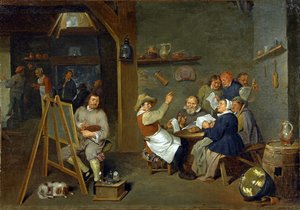
matheus van helmont
1623 - 1674 , Belgium
주요 정보
- Artistic Movement Or Style: Baroque
- Artists Who Influenced This Artist:
- Peter Paul Rubens
- Jan Bruegel the Elder
- Date Of Birth: Antwerp, Belgium (1623)
- Date Of Death: 1674
- Full Name: Matheus van Helmont
- Nationality: Flemish
- Notable Artworks:
- The Liberation Of Saint Peter
- A Woman Selling Vegetables In A Barn With A Boy Feeding Chickens
- Villagers Celebrating a Wedding Feast Outside a Country Tavern
- Place Of Birth: Antwerp
관련 기사 더 보기

렘브란트 반 레인 명작 25선: 빛과 그림자의 거장, 예술의 정수를 만나다
렘브란트 반 레인 명작 25선을 만나보세요. 빛과 그림자의 거장이 그린 역사화, 초상화 속 예술의 정수를 감상하고, 네덜란드 황금시대 바로크 미술의 깊이를 느껴보세요. OriginalUniqueArt.com에서 고품질 복제화를 컬렉션하세요.

Early Netherlandish Masters: 10 Paintings That Revolutionized Art & Decor
Journey into the world of Early Netherlandish painting! Explore 10 masterpieces by Jan van Eyck, Rogier van der Weyden & more. Discover stunning detail, symbolism & Renaissance art for your home decor. Find museum-quality reproductions on OriginalUniqueArt.com
Sir Anthony van Dyck: Courtly Portraiture & the Shaping of Baroque Identity
Explore the life & legacy of Sir Anthony van Dyck, the leading court painter of his era. Discover his innovative portraiture, Baroque masterpieces, and investment potential for discerning collectors. Learn more at OriginalUniqueArt.

Mastering Drama and Light: A Definitive Guide to the Flemish Baroque Art Movement
Explore the dramatic brilliance of the Flemish Baroque movement. Discover how masters like Peter Paul Rubens utilized chiaroscuro and dynamic composition to redefine art history through light, shadow, and unparalleled emotion.

Dutch Baroque Masters: 10 Paintings That Shaped an Era | OriginalUniqueArt
Journey through the Golden Age with our guide to the Top 10 Dutch Baroque masterpieces! Explore iconic paintings by Rembrandt, Vermeer & Frans Hals. Find museum-quality art reproductions and elevate your home decor at OriginalUniqueArt.com.

