- 홈

- 캔버스 프린트
- maroun el-hakim
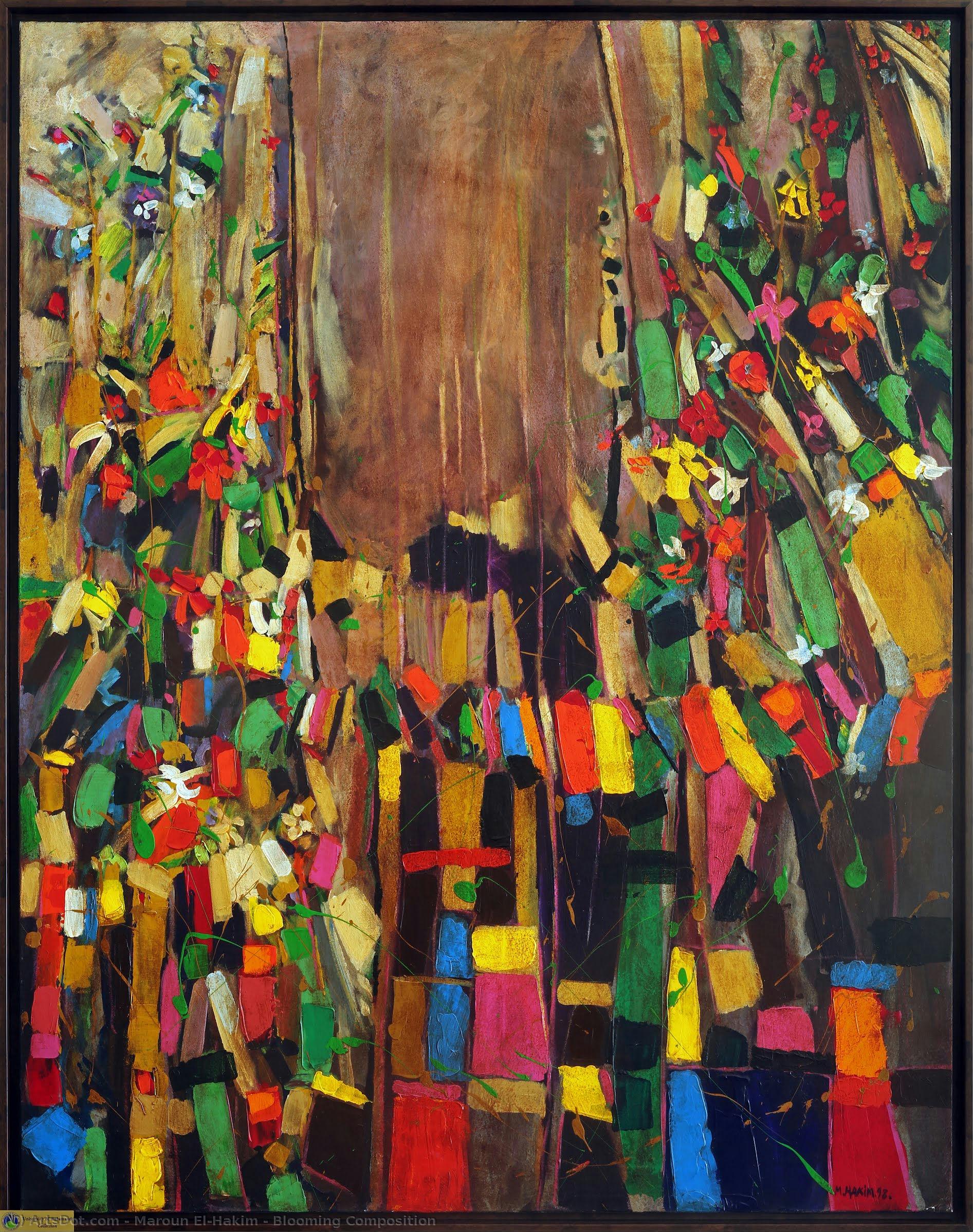
- Blooming Composition
 작품 구매하기
 공유하기
공유하기 공유하기
공유하기
 상세 정보
상세 정보

 다운로드
다운로드
 유사 작품
유사 작품 X-레이
X-레이 슬라이드 쇼
Blooming Composition


 더 보기
더 보기




































작품의 원본 비율을 유지하는 미리 설정된 크기 중에서 선택하세요.

특정 프레임이나 공간에 맞춰 직접 치수를 입력하실 수 있습니다. 선택하신 사이즈가 원본 이미지의 비율과 일치하지 않을 경우, 작품을 크롭(자르기)하거나 이미지를 대칭 또는 단색 채우기로 확장하여 제작합니다. 제작 시작 전, 최종 확인을 위해 디지털 목업이 전송됩니다.
화면상의 미리보기는 실제 크롭이나 확장 상태를 반영하지 않으므로, 최종 구도는 오직 목업을 통해서만 정확하게 확인하실 수 있습니다.
맞춤 사이즈 제작도 가능하지만, 원본 비율을 유지하기 위해서는 사전 정의된 목록에서 치수를 선택하시는 것을 권장합니다.


 유리 옵션은 110cm 미만 크기에서만 선택 가능합니다.

Blooming Composition
지클레 / 아트 프린트
복제본 크기
-


최종 결제 금액
-
작가 약력
A Sculptor of Wood and Spirit: The Enigmatic World of Maroun El-Hakim
The name Maroun El-Hakim resonates within the relatively quiet sphere of contemporary Lebanese sculpture, yet a comprehensive narrative of his life remains elusive. Emerging in 1993, El-Hakim quickly distinguished himself through an intensely personal and evocative approach to wood carving. While biographical details are scarce – a testament perhaps to the artist’s preference for allowing his work to speak directly – enough evidence exists to paint a picture of a deeply sensitive creator profoundly connected to his Lebanese heritage and the inherent qualities of the natural world. His sculptures aren't merely representations; they are imbued with a spiritual quality, hinting at ancient stories and the enduring power of human emotion.Early Influences and Artistic Development
Born in Lebanon, a nation steeped in history and marked by periods of both vibrant cultural flourishing and profound upheaval, El-Hakim’s artistic trajectory was undoubtedly shaped by his surroundings. The rich tradition of Lebanese craftsmanship – particularly the intricate wood carving seen in architectural details, furniture making, and religious iconography – likely formed an early foundation for his aesthetic sensibilities. However, rather than replicating these established forms, El-Hakim sought to distill their essence, stripping away ornamentation to reveal a more primal and symbolic language. It’s plausible that the political and social climate of Lebanon during his formative years also played a role, fostering a need for artistic expression as a means of processing collective trauma and exploring themes of identity and resilience. While specific mentors or formal training remain undocumented, it is clear that El-Hakim possessed an innate understanding of wood's properties – its grain, texture, and capacity to hold form – allowing him to transform this humble material into objects of striking beauty and emotional depth.Themes and Symbolism in His Sculptures
El-Hakim’s sculptures frequently depict human figures, often abstracted or fragmented, suggesting a sense of vulnerability and the complexities of the human condition. These are not portraits in the traditional sense; rather, they are archetypal representations that tap into universal emotions – longing, sorrow, hope, and spiritual yearning. Recurring motifs include hands, eyes, and faces, each carrying layers of symbolic meaning. Hands, for example, might represent connection, creation, or supplication, while eyes often convey a profound sense of inner life and awareness. The wood itself is integral to the symbolism; its natural imperfections – knots, cracks, and variations in color – are not concealed but embraced as part of the sculpture’s narrative. The artist seems to believe that these flaws add character and authenticity, mirroring the inherent imperfections within ourselves. Furthermore, a strong connection to Lebanese folklore and mythology is subtly present in his work, though rarely explicitly stated. The sculptures often evoke a sense of ancient ritual and reverence for nature, suggesting a deep-rooted respect for the cultural heritage of his homeland.Technique and Materials
El-Hakim’s mastery lies not only in his conceptual vision but also in his technical skill. He primarily works with locally sourced wood, carefully selecting each piece based on its unique characteristics. His process is described as intuitive and organic, allowing the form to emerge from the material rather than imposing a preconceived design.- He employs traditional carving techniques
- His approach is characterized by a delicate balance between precision and spontaneity.
- The surfaces of his sculptures are often left rough-hewn, preserving the natural texture of the wood.
- Occasionally, he incorporates subtle staining or polishing to enhance certain details
Historical Significance and Legacy
While Maroun El-Hakim’s body of work remains relatively small, his contribution to contemporary Lebanese art is significant. He emerged during a period of artistic renewal following years of civil conflict, offering a voice of quiet contemplation and resilience. His sculptures stand as powerful testaments to the enduring human spirit and the importance of cultural identity in a rapidly changing world. Although he maintains a low profile, El-Hakim’s work has garnered recognition within select circles, inspiring a new generation of Lebanese artists to explore the possibilities of wood carving and embrace their own unique heritage. His legacy lies not in prolific output but in the profound emotional depth and artistic integrity that permeates each carefully crafted sculpture – a lasting reminder of the power of art to transcend boundaries and connect us to something deeper within ourselves and the world around us.
maroun el-hakim
Lebanon
주요 정보
- Artistic Movement Or Style: Wooden Sculpture
- Full Name: Maroun El Hakim
- Nationality: Lebanese
- Notable Artworks:
- Blooming Composition
- Maroun El Hakim
- Place Of Birth: Mazraat Yachouh, Mount Lebanon

