Mark Rothko · 1948
Untitled (마크 로스코, 1948)
마크 로스코 (1903–1970) 작가의 Untitled 1948년에 제작되었습니다. Mark Rothko 운동에 속합니다. Acrylic On Canvas(으)로 제작되었습니다. 크기는 108 × 111 cm입니다.
- 1948
- Acrylic On Canvas
- 108 × 111 cm

 미리보기

 수작업 유화 작품
 공유하기
 공유하기
 학습용 요약본


 다운로드
 유사 작품 더 보기
 X-레이
 슬라이드 쇼 보기
 질의응답

 통계 정보
Untitled 요약
- 제목
- Untitled
- 작가
- 마크 로스코 (1903–1970)
- 작가 출생지
- 다우가프필스, 라트비아
- 제작 연도
- 1948
- 매체
- Acrylic On Canvas
- 크기
- 108 × 111 cm
- 운동성
- Mark Rothko
- 제작 시기
- Modern
- 주제
- abstract, color field, expressionism, rectangular forms, emotional depth, modern art
Untitled은(는) 무엇을 묘사하고 있나요?
A Threshold of Feeling: Exploring Mark Rothko’s Untitled (1948)
Mark Rothko's Untitled from 1948 is not merely a painting; it is an invitation—a silent beckoning into the realm of pure emotional resonance. Measuring 108 x 111 cm, this work exists at a pivotal moment in the artist’s trajectory, marking a decisive shift away from figurative representation and towards the immersive color field paintings that would define his legacy. Born Marcus Yakovlevich Rothkowitz in Latvia in 1903, Rothko carried with him a sense of displacement and searching, experiences deeply interwoven into the very fabric of his artistic vision. His family’s emigration to America in 1913, coupled with his father's intellectual leanings and exposure to Marxist thought, instilled within him a profound sensitivity to the human condition—a sensibility that would ultimately find its most potent expression not through depiction, but through abstraction.
The Birth of a New Language
By 1948, Rothko had begun to dismantle the traditional elements of painting. He was moving beyond the mythological and Surrealist explorations of the early 1940s—works born from the anxieties of wartime—and towards an increasingly reductive vocabulary. Untitled exemplifies this transition beautifully. Rather than presenting a defined subject, Rothko offers us layered planes of color – predominantly pinks, oranges, reds, and subtle purples – that seem to float and breathe upon the canvas. These aren’t simply colors *applied* but rather emanations of feeling, carefully modulated in tone and intensity. The technique itself is crucial: thin washes of oil paint are delicately applied, allowing underlying layers to peek through, creating a luminous depth that draws the viewer into the painting's core. The composition isn’t rigidly structured; instead, forms emerge organically, suggesting boundaries without fully defining them. This deliberate ambiguity invites contemplation and allows for a deeply personal interpretation.
Echoes of Experience: Symbolism and Emotional Impact
To attempt to assign concrete symbolism to Rothko's work is often misleading. He resisted prescriptive interpretations, believing that the emotional impact should be direct and unmediated. However, understanding his biography offers valuable context. The hazy, atmospheric quality of Untitled can be seen as reflecting a sense of longing or memory—perhaps echoing the displacement he felt as an immigrant, or the broader anxieties of a post-war world. The warmth of the pinks and oranges isn’t simply aesthetic; it evokes feelings of comfort and vulnerability, while the darker purples hint at underlying melancholy. The painting's scale is also significant. It’s large enough to envelop the viewer, creating an immersive experience that transcends mere observation. Standing before Untitled is not about *looking* at a picture; it’s about *being* within a space of feeling.
A Lasting Legacy: Rothko and Abstract Expressionism
Mark Rothko's contribution to the development of Abstract Expressionism, and specifically Color Field painting, is immeasurable. He, along with artists like Barnett Newman and Clyfford Still, sought to strip away all representational elements, focusing instead on the expressive power of color and form. His work profoundly influenced generations of artists and continues to resonate deeply with audiences today. The Rothko Chapel in Houston stands as a testament to his enduring vision—a sacred space designed to facilitate contemplation and spiritual experience through the immersive power of his paintings. Untitled (1948) serves as an early, compelling example of this ambition, offering a glimpse into the artist’s evolving language and foreshadowing the profound emotional landscapes he would create in the years to come.
Untitled의 고해상도 이미지
Protected by copyright: these files are for personal reference, not a licence to republish.
마크 로스코, Untitled (1948).
Untitled에 관한 질문과 답변
마크 로스코의 "Untitled"의 기법은 무엇인가요?
원작 마크 로스코의 "Untitled"의 크기는 어떻게 되나요?
"Untitled"은(는) 어떤 내용을 담고 있나요?
"Untitled"은(는) 저작권으로부터 자유로운가요?
저작권과 관련하여, "Untitled"은(는) 저작권 보호 대상입니다 상태입니다.
"Untitled"은(는) 어떤 화풍에 속하나요?
Untitled은(는) 마크 로스코의 예술적 여정 중 어느 시기의 작품인가요?
아티스트 마크 로스코 소개

1903–1970, 라트비아
마크 로스코
마크 로스코의 초기 생애 마크 로스코는 1903년 마르쿠스 야코블레비치 로트코위츠라는 이름으로 태어났습니다. 그는 당시 러시아의 드빈스크, 즉 오늘날 라트비아의 다우가프필스로 알려진 곳에서 생의 첫발을 내디뎠습니다. 그의 가족은 정치적 격변과 포그롬(pogrom)의 끊이지 않는 그림자가 드리워진 유대인 거주 구역인 '팔레 오브 세틀먼트(Pale of Settlement)'에서 생활했습니다. 이러한 불안정한 시대적 공기는 1913년 가족이 미국으로 이민을 떠날 때까지 그들의 삶을 따라다녔습니다.
마크 로스코의 다른 작품들
 백색 중심1950
 제1번
 No.61 (녹과 청색)1953
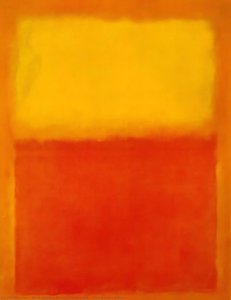 오렌지색과 노란색1956
Untitled 관련 에세이
 Color & Emotion: The 25 Most Iconic Masterpieces by Mark RothkoImmerse yourself in the profound emotion of Abstract Expressionism. Explore 25 iconic Mark Rothko masterpieces, from his signature color fi…
 Carl Newman: Exploring Abstraction's Spiritual Resonance Through Color Field PaintingExplore the profound spiritual resonance of Color Field Painting with insights into Rothko, Newman & Still. Discover the techniques & legac…
 The Soul of Color: Exploring the Emotional Depth and Existential Resonance of Mark Rothko's MasterpiecesImmerse yourself in the profound emotional landscapes of Mark Rothko. Explore how his revolutionary Color Field paintings use pure pigment …