프린트 판매로 전환
 더 보기
더 보기







































 가로 또는 세로 중 어느 한 면이라도 105cm(약 41인치)를 초과하는 작품이나 복제화의 경우, 프레임은 분해된 키트 형태로 배송됩니다. 이는 안전한 배송을 보장하고 운송 중 발생할 수 있는 손상을 방지하기 위함입니다.


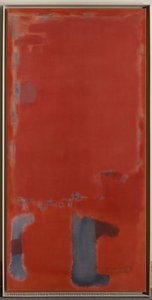
The Weight of Color: Unpacking Mark Rothko’s “Red, White, and Brown”
Mark Rothko's "Red, White, and Brown," painted in 1957, isn’t merely a depiction of three rectangles; it’s an invitation to a deeply personal and profoundly moving encounter with color itself. Emerging from the fertile ground of Color Field painting, this work represents a pivotal shift in American art – a move away from representational imagery towards pure emotive expression. Rothko, a Russian-born painter who immigrated to America as a young boy, carried within him a lifetime of displacement and searching, experiences that profoundly informed his artistic vision. He sought not to *show* the viewer something, but rather to *make* them feel – to evoke an emotional response through the sheer power of color and form. The painting’s deceptively simple composition belies a complex layering of meaning, inviting contemplation on themes of loss, spirituality, and the human condition.Color Field Philosophy: Beyond Representation
To understand “Red, White, and Brown,” it's crucial to grasp the context of Color Field painting. Following the abstract expressionists’ emphasis on gestural brushwork and subjective experience, Rothko and his contemporaries – Barnett Newman, Clyfford Still, and others – sought a different path. They rejected the illusionistic depth and narrative content of earlier abstraction, opting instead for large, flat fields of color that seemed to float within the canvas. This approach aimed to bypass conscious thought and directly engage the viewer’s emotions. Rothko famously stated, “I want to paint what I see – the things that are inexpressible.” He believed that color itself possessed a spiritual quality, capable of conveying profound truths without resorting to recognizable forms. The rectangular shapes, deliberately devoid of sharp edges or defined boundaries, contribute to this sense of ethereal suspension, dissolving the distinction between painting and space.Deconstructing the Palette: Red, White, and Brown
The specific hues in “Red, White, and Brown” are not arbitrary; they’re carefully calibrated to create a dynamic interplay of emotional resonance. The dominant red – a deep, saturated crimson – immediately commands attention, evoking feelings of passion, intensity, and perhaps even primal energy. It's a color associated with life force, blood, and the raw emotions of existence. Juxtaposed against this vibrant red is the cool, calming white, which acts as a visual counterpoint, offering a sense of serenity and introspection. The brown, situated at the bottom of the composition, grounds the painting, providing an anchor to the earth and suggesting themes of mortality and the passage of time. Notice how Rothko subtly layered these colors – a delicate gradient within each rectangle creates a sense of depth and movement, preventing the painting from feeling static or flat.Interpreting the Void: The Power of Negative Space
Crucially, “Red, White, and Brown” is defined not just by its colored rectangles but also by the vast expanses of negative space surrounding them. This emptiness isn’t simply a lack of color; it's an integral part of the painting’s emotional impact. It invites the viewer to project their own feelings and experiences onto the canvas, creating a deeply personal connection with the work. The voids act as portals, suggesting infinite possibilities and reflecting the inherent ambiguity of human experience. Rothko himself described his paintings as “windows” into another realm, inviting viewers to step beyond the confines of the physical world and contemplate something larger than themselves.A Legacy in Color: Reproductions and Beyond
Mark Rothko’s work continues to resonate deeply with audiences today, largely due to its accessibility and emotional honesty. The Museum of Modern Art (MoMA) in New York City houses a significant collection of his paintings, offering visitors the opportunity to experience these powerful works firsthand. Reproductions, such as those offered by OriginalUniqueArt.com, provide a valuable means of engaging with Rothko’s art on a more intimate level. These meticulously crafted reproductions capture the nuances of color and texture that are essential to understanding the artist's vision. Whether viewed in a gallery or within your own home, “Red, White, and Brown” remains a testament to the transformative power of color and its ability to evoke profound emotions.질의응답
"Red, White, and Brown"을(를) 정의하는 팔레트와 주요 색상은 무엇인가요?
"Red, White, and Brown"은(는) Mahogany (#e93d0e)이(가) 주를 이루는 Dark 색조로 정의됩니다.
마크 로스코의 "Red, White, and Brown" 작품에 권장되는 인쇄 설정은 무엇인가요?
"Red, White, and Brown" 작품의 권장 인쇄 설정은 Medium 크기와 Portrait 방향입니다.
"Red, White, and Brown"은(는) 마크 로스코의 예술적 발전 단계 중 어느 시기를 나타냅니까?
"Red, White, and Brown"은(는) 마크 로스코의 예술적 생애 중 Mature Period 시기의 작품입니다. 이 분류를 통해 해당 작품을 작가의 예술적 발전 과정과 연결해 볼 수 있습니다.
이 작품에 대해 더 알아보기
 미리보기
미리보기
 공유하기
공유하기 공유하기
공유하기
 상세 정보
상세 정보 가이드 보기

 다운로드
다운로드
 유사 작품 더 보기
 X-레이
X-레이 슬라이드 쇼 보기
 질의응답
질의응답 통계 정보
통계 정보