Color Field · 1964
No. 5 (마크 로스코, 1964)
마크 로스코 (1903–1970) 작가의 No. 5 1964년에 제작되었습니다. Color Field 운동에 속합니다. Acrylic On Canvas(으)로 제작되었습니다. 크기는 206 × 196 cm입니다.
- 1964
- Acrylic On Canvas
- 206 × 196 cm

 미리보기

 수작업 유화 작품
 공유하기
 공유하기
 학습용 요약본


 다운로드
 유사 작품 더 보기
 X-레이
 슬라이드 쇼 보기
 질의응답

 통계 정보
No. 5 요약
- 제목
- No. 5
- 작가
- 마크 로스코 (1903–1970)
- 작가 출생지
- 다우가프필스, 라트비아
- 제작 연도
- 1964
- 매체
- Acrylic On Canvas
- 크기
- 206 × 196 cm
- 운동성
- Color Field
- 제작 시기
- Modern
- 주제
- rothko, abstract, color field, square, black and white, canvas
No. 5은(는) 무엇을 묘사하고 있나요?
Mark Rothko’s ‘No. 5’: A Meditation on Darkness and Absence
Mark Rothko's "No. 5," painted in 1964, is not merely a canvas filled with color; it’s an intensely personal and profoundly moving exploration of human emotion and the weight of existence. This monumental work, measuring 206 x 196 cm, exemplifies Rothko’s signature style – large-scale rectangular blocks of saturated color that seem to bleed into one another, creating a hypnotic effect on the viewer. The painting's stark simplicity—a vast, dark square dominating the composition—immediately confronts us with an unsettling void, prompting contemplation about mortality, isolation, and the fundamental questions of human experience.
The Genesis of Color Field Painting
Created during a pivotal moment in art history, "No. 5" is inextricably linked to the rise of Color Field painting in the mid-20th century. Rothko, along with artists like Barnett Newman and Clyfford Still, rejected traditional representational forms, seeking instead to express profound emotional states through pure color. Influenced by Abstract Expressionism’s emphasis on subjective experience, Rothko developed a technique that involved layering thin washes of acrylic paint, allowing the colors to subtly shift and merge under layers of varnish. This process created an almost sculptural quality, emphasizing the materiality of the canvas itself.
Symbolic Weight and Existential Themes
Born in 1903 in Daugavpils, Latvia (then part of the Russian Empire), Mark Rothko’s life was marked by displacement and loss – experiences that deeply informed his artistic vision. The painting's dark square can be interpreted as a visual representation of this sense of void, reflecting the anxieties and uncertainties inherent in the human condition. Some scholars suggest the work is an exploration of trauma, referencing Rothko's own difficult childhood and the pervasive atmosphere of fear and instability he experienced growing up within a Jewish family during times of political unrest. The sheer scale of the canvas amplifies this feeling, enveloping the viewer in a space of quiet contemplation.
Technique and Emotional Impact
"No. 5" is a testament to Rothko’s mastery of color and texture. The subtle gradations within the dark blocks, achieved through meticulous layering and blending, create an illusion of depth and movement. The photograph captures this intricate detail perfectly, revealing the artist's deliberate control over light and shadow. The painting’s impact isn’t about visual spectacle; it’s about a deeply felt emotional response. Rothko aimed to evoke a sense of awe and vulnerability in the viewer, inviting them to confront their own mortality and grapple with the complexities of human existence. This reproduction offers an unparalleled opportunity to experience the power and beauty of this iconic work firsthand.
No. 5의 고해상도 이미지
Protected by copyright: these files are for personal reference, not a licence to republish.
마크 로스코, No. 5 (1964).
No. 5에 관한 질문과 답변
마크 로스코의 "No. 5"의 기법은 무엇인가요?
마크 로스코의 "No. 5"에는 어떤 소재가 등장하나요?
"No. 5"은(는) 저작권으로부터 자유로운가요?
마크 로스코의 "No. 5"은(는) 어떤 미술 사조에 속하나요?
No. 5은(는) 마크 로스코의 예술적 여정 중 어느 시기의 작품인가요?
아티스트 마크 로스코 소개

1903–1970, 라트비아
마크 로스코
마크 로스코의 초기 생애 마크 로스코는 1903년 마르쿠스 야코블레비치 로트코위츠라는 이름으로 태어났습니다. 그는 당시 러시아의 드빈스크, 즉 오늘날 라트비아의 다우가프필스로 알려진 곳에서 생의 첫발을 내디뎠습니다. 그의 가족은 정치적 격변과 포그롬(pogrom)의 끊이지 않는 그림자가 드리워진 유대인 거주 구역인 '팔레 오브 세틀먼트(Pale of Settlement)'에서 생활했습니다. 이러한 불안정한 시대적 공기는 1913년 가족이 미국으로 이민을 떠날 때까지 그들의 삶을 따라다녔습니다.
마크 로스코의 다른 작품들
 백색 중심1950
 제1번
 No.61 (녹과 청색)1953
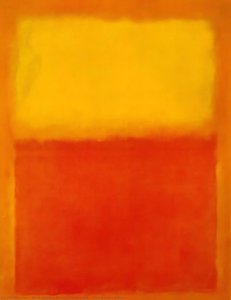 오렌지색과 노란색1956
No. 5 관련 에세이
 Color Fields of Calm: Transform Luxury Interiors with Minimalist Masterpiece ReproductionsElevate your luxury interiors with museum-quality Mark Rothko reproductions. Discover how hand-painted Color Field masterpieces bring profo…
 The Soul of Color: Exploring the Emotional Depth and Existential Resonance of Mark Rothko's MasterpiecesImmerse yourself in the profound emotional landscapes of Mark Rothko. Explore how his revolutionary Color Field paintings use pure pigment …
 마크 로스코 최고작 25선: 색채로 표현된 심오한 감정과 예술의 세계 | OriginalUniqueArt마크 로스코 최고작 25선을 만나보세요. 추상 표현주의 거장의 색채로 표현된 심오한 감정과 예술의 세계를 탐험하고, OriginalUniqueArt에서 명화 복제본과 특별한 인테리어 아이디어를 찾아보세요. 지금 바로 컬렉션을 확인하세요!