Color Field Painting · 1964
No. 2 (마크 로스코, 1964)
마크 로스코 (1903–1970) 작가의 No. 2 1964년에 제작되었습니다. Color Field Painting 운동에 속합니다. Oil On Canvas(으)로 제작되었습니다. 크기는 267 × 203 cm입니다.
- 1964
- Oil On Canvas
- 267 × 203 cm

 미리보기

 수작업 유화 작품
 공유하기
 공유하기
 학습용 요약본


 다운로드
 유사 작품 더 보기
 X-레이
 슬라이드 쇼 보기
 질의응답

 통계 정보
No. 2 요약
No. 2은(는) 무엇을 묘사하고 있나요?
A Meditation in Gray: The Ethereal Depth of Rothko’s No. 2
In the vast landscape of Abstract Expressionism, few works command the room with such quiet, monumental authority as Mark Rothko’s No. 2. Completed in 1964, this masterpiece serves as a profound cornerstone of Color Field Painting, inviting the viewer into a realm where color transcends mere pigment to become an emotional experience. The composition is deceptively simple, presenting two rectangular blocks of muted gray hues stacked vertically against a darker, more somber background. Yet, beneath this minimalist surface lies a complex interplay of light and shadow that demands a slow, contemplative gaze.
The power of No. 2 resides in its ability to evoke an atmosphere of stillness. There is no representational imagery to distract the eye, no recognizable figures to anchor the mind; instead, Rothko directs our attention toward the pure materiality of color itself. The grayscale palette is meticulously calibrated, offering a spectrum of tones that suggest a sense of depth and luminosity without the need for traditional perspective. As one stands before this large-scale canvas, the soft edges of the rectangles seem to vibrate, creating a sensation that the forms are hovering like mist or receding into an infinite void.
Technique and the Architecture of Emotion
To understand the mesmerizing quality of No. 2, one must consider the artist's meticulous technique. Rothko did not simply apply paint to canvas; he built layers of atmosphere. By utilizing thin washes of oil and acrylic media, he achieved a delicate translucency that allows light to appear as if it is emanating from within the work itself. This method of layering—often referred to as veiling—creates subtle tonal gradations that blur the boundaries between shapes, contributing to the painting's characteristic sense of atmospheric depth.
This technical mastery serves a deeper symbolic purpose. Emerging from the post-war era, a period marked by existential anxiety and a search for meaning, No. 2 reflects a broader artistic preoccupation with the fundamental human experience. While some critics have interpreted the stark, geometric forms as representations of the void or the absence of form—symbolizing the anxieties of mortality—Rothko himself sought to evoke feelings of transcendence and spiritual communion. For the collector or the interior designer, this work offers more than just a sophisticated aesthetic; it provides a focal point for introspection, a sanctuary of calm that can transform a space into a site of profound psychological resonance.
No. 2의 고해상도 이미지
Protected by copyright: these files are for personal reference, not a licence to republish.
마크 로스코, No. 2 (1964).
No. 2에 관한 질문과 답변
마크 로스코의 "No. 2"에는 어떤 기법이 사용되었나요?
마크 로스코의 "No. 2"의 실제 크기는 어떻게 되나요?
"No. 2"은(는) 어떤 내용을 담고 있나요?
마크 로스코의 "No. 2"의 이미지를 자유롭게 복제할 수 있나요?
"No. 2"은(는) 어떤 화풍에 속하나요?
No. 2은(는) 마크 로스코의 예술적 경력 중 어느 시기에 해당하나요?
아티스트 마크 로스코 소개

1903–1970, 라트비아
마크 로스코
마크 로스코의 초기 생애 마크 로스코는 1903년 마르쿠스 야코블레비치 로트코위츠라는 이름으로 태어났습니다. 그는 당시 러시아의 드빈스크, 즉 오늘날 라트비아의 다우가프필스로 알려진 곳에서 생의 첫발을 내디뎠습니다. 그의 가족은 정치적 격변과 포그롬(pogrom)의 끊이지 않는 그림자가 드리워진 유대인 거주 구역인 '팔레 오브 세틀먼트(Pale of Settlement)'에서 생활했습니다. 이러한 불안정한 시대적 공기는 1913년 가족이 미국으로 이민을 떠날 때까지 그들의 삶을 따라다녔습니다.
마크 로스코의 다른 작품들
 백색 중심1950
 제1번
 No.61 (녹과 청색)1953
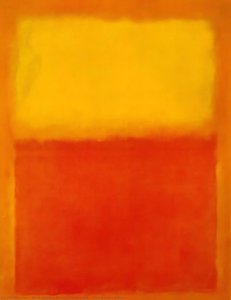 오렌지색과 노란색1956
No. 2 관련 에세이
 마크 로스코 최고작 25선: 색채로 표현된 심오한 감정과 예술의 세계 | OriginalUniqueArt마크 로스코 최고작 25선을 만나보세요. 추상 표현주의 거장의 색채로 표현된 심오한 감정과 예술의 세계를 탐험하고, OriginalUniqueArt에서 명화 복제본과 특별한 인테리어 아이디어를 찾아보세요. 지금 바로 컬렉션을 확인하세요!
 The Architecture of Emotion: A Connoisseur’s Guide to the Chromatic Sublimity of Mark RothkoExplore the profound emotional landscapes of Mark Rothko. An expert editorial on Color Field painting, decoding the spiritual depth, techni…
 Chromatic Atmospheres: The Psychological Impact of Minimalist Color Field Reproductions in Luxury Villa InteriorsDiscover the profound psychological impact of minimalist Color Field paintings for luxury villas. Explore Rothko & curated art reproduction…