프린트 판매로 전환
 더 보기
더 보기







































 가로 또는 세로 중 어느 한 면이라도 105cm(약 41인치)를 초과하는 작품이나 복제화의 경우, 프레임은 분해된 키트 형태로 배송됩니다. 이는 안전한 배송을 보장하고 운송 중 발생할 수 있는 손상을 방지하기 위함입니다.


A Symphony of Color and Existential Depth
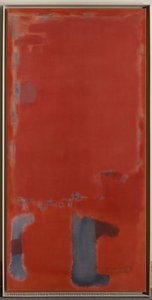
In the vast, silent theater of Mark Rothko’s Landscape, the viewer is not merely an observer but a participant in a profound emotional journey. Painted in 1960, this masterpiece stands as a pinnacle of the Color Field Painting movement, a style that eschews the frantic energy of traditional Abstract Expressionism in favor of a meditative, immersive experience. Rather than depicting a literal horizon or a recognizable terrain, Rothko presents an inner landscape—a psychological space where color becomes the primary language of the soul. The composition is defined by monumental, soft-edged rectangles of saturated hues that seem to hover and pulse against one another, inviting the eye to lose itself in the infinite layers of pigment.
The technique employed by Rothko is a masterclass in subtlety and luminous depth. Eschewing heavy impasto or aggressive brushstrokes, he applied thin, translucent washes of paint to the canvas. This delicate layering process allows light to penetrate the surface, creating an effect where the colors appear to glow from within, as if the canvas itself were a source of illumination. The edges of his color blocks are never sharp; instead, they bleed into one another with a feathered softness that suggests movement and breath. This method creates a mesmerizing interplay of light and shadow, where the boundaries between different tones become blurred, evoking a sense of atmospheric mystery that is both captivating and unsettling.
Symbolism and the Weight of Human Experience
To gaze upon Landscape is to confront the heavy themes of human existence. During the era in which Rothko worked, the intellectual landscape was dominated by existentialism, a philosophy grappling with the concepts of isolation, freedom, and the search for meaning in an often absurd world. The artist’s use of color serves as a symbolic vessel for these complex emotions. The deep crimsons, vibrant oranges, and warm yellows are not merely aesthetic choices; they represent the heat of passion, the glow of life, and the inevitable descent into shadow. Each layer of pigment acts as a metaphor for the layers of human consciousness—some bright and visible, others dark and buried.
For the collector or interior designer, this piece offers more than just visual splendor; it provides an emotional anchor for a space. The painting’s ability to command attention through stillness makes it an extraordinary centerpiece for any sophisticated environment. Whether placed in a quiet study intended for contemplation or a grand gallery setting designed to provoke conversation, Landscape brings with it a sense of monumental gravity. It is a work that demands a slow encounter, rewarding the patient viewer with a profound sense of transcendence and a reminder of the beauty found within the depths of our own reflections.
질의응답
"Landscape 1"은(는) 어떤 색조를 띠고 있나요?
마크 로스코의 "Landscape 1"에는 Ochre to Sepia 빛깔이 감돕니다.
"Landscape 1"의 Landscape 형식은 어디에 전시하는 것이 가장 좋을까요?
마크 로스코의 "Landscape 1"의 Landscape 형식은 Living Room에 추천합니다. 작품의 형식과 공간의 조화는 복제화 배치에 중요한 가이드가 됩니다.
마크 로스코의 "Landscape 1"에서 느껴지는 정서는 무엇인가요?
마크 로스코의 "Landscape 1"에 담긴 정서적 톤은 Reflective입니다. 이는 작품이 전달하는 감정을 요약한 것입니다.
이 작품에 대해 더 알아보기
 미리보기
미리보기
 공유하기
공유하기 공유하기
공유하기
 상세 정보
상세 정보 가이드 보기

 다운로드
다운로드
 유사 작품 더 보기
 X-레이
X-레이 슬라이드 쇼 보기
 질의응답
질의응답 통계 정보
통계 정보