
 미리보기
미리보기
 공유하기
공유하기 공유하기
공유하기
 상세 정보
상세 정보

 다운로드
다운로드
 유사 작품
유사 작품 X-레이
X-레이 슬라이드 쇼
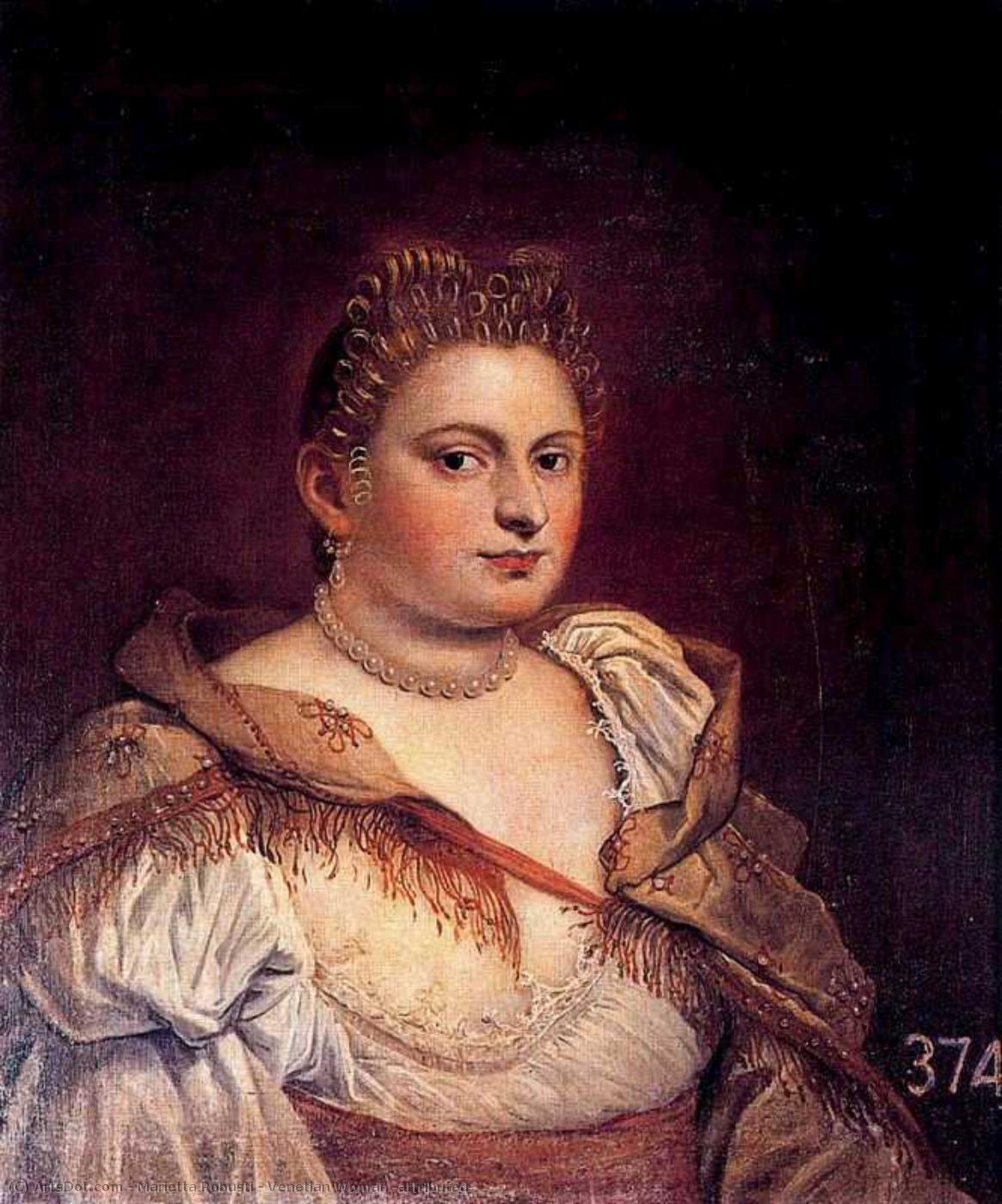
Venetian Woman (attributed)


 더 보기
더 보기
지클레 / 아트 프린트
빠른 제작과 다양한 마감 옵션을 제공하는 박물관 품질의 지클레이 또는 캔버스 프린트. ( 손으로 그린 그림 구매 이미지 구매)




P118B $10

P118H $10

P118W $10

P438Z $10

P508JH $12

P508YH $12

P805H $10

P805Z $10

P919BZ $10

P919G $10

P919XJ $10

P959ZH $10

P968JZ $12

W106C $8

W218G $10

W218JH $8

W218Y $10

W307PJ $10

W316G $10

W316PJ $8

W316Y $10

W398PJ $8

W4111J $10

W500HY $15

W500JH $15

W692G $12

W849H $8

W940BG $15

W953PJ $8




작품의 원본 비율을 유지하는 미리 설정된 크기 중에서 선택하세요.

특정 프레임이나 공간에 맞춰 직접 치수를 입력하실 수 있습니다. 선택하신 사이즈가 원본 이미지의 비율과 일치하지 않을 경우, 작품을 크롭(자르기)하거나 이미지를 대칭 또는 단색 채우기로 확장하여 제작합니다. 제작 시작 전, 최종 확인을 위해 디지털 목업이 전송됩니다.
화면상의 미리보기는 실제 크롭이나 확장 상태를 반영하지 않으므로, 최종 구도는 오직 목업을 통해서만 정확하게 확인하실 수 있습니다.
맞춤 사이즈 제작도 가능하지만, 원본 비율을 유지하기 위해서는 사전 정의된 목록에서 치수를 선택하시는 것을 권장합니다.


 유리 옵션은 110cm 미만 크기에서만 선택 가능합니다.

Venetian Woman (attributed)
지클레 / 아트 프린트
복제본 크기
-


최종 결제 금액
$ 80
작품 상세 설명
A Glimpse of Venetian Grace: Exploring Marietta Robusti’s “Venetian Woman”
Marietta Robusti's "Venetian Woman," often attributed to her father, the renowned Tintoretto, offers a captivating window into the artistic and social landscape of 16th-century Venice. More than just a portrait, it’s a carefully constructed tableau vivant—a moment frozen in time, revealing layers of wealth, status, and perhaps even a hint of melancholy. The painting, likely created around 1560, is a testament to the burgeoning Mannerist style that was beginning to challenge the established conventions of Renaissance art, while simultaneously retaining the rich traditions of Venetian painting.
The subject herself remains somewhat enigmatic, shrouded in the luxurious fabrics and elaborate headdress characteristic of Venetian nobility. Her pose, subtly turned towards the viewer, invites a quiet contemplation—a direct gaze that holds both dignity and a certain reserve. The creamy tones of her gown, meticulously rendered with fine embroidery along the neckline and sleeves, speak to her family’s considerable wealth and influence. The pearl necklace, a symbol of status and refinement, adds another layer of opulence, while the heavy gold headdress, adorned with pearls, further emphasizes her elevated position within Venetian society. The careful attention to detail—the delicate folds of the fabric, the subtle shading of the skin, the intricate patterns—demonstrates Robusti’s mastery of oil painting techniques and her deep understanding of human anatomy.
The Shadowed Studio: Contextualizing a Female Artist's Work
Understanding Marietta Robusti requires acknowledging the challenging circumstances under which she worked as an artist. As the daughter of Tintoretto, one of Venice’s most celebrated masters, she benefited from a privileged upbringing and access to his workshop—a rare opportunity for women in that era. However, female artists faced significant obstacles, often relegated to roles as assistants or studio hands rather than being recognized as independent creators. Despite these limitations, Robusti persevered, leaving behind a small but significant body of work, largely overshadowed by her father’s monumental achievements.
Her life, though shrouded in some mystery due to limited primary sources, offers a poignant glimpse into the dynamics of Venetian art production during this pivotal period. The biographical accounts available—primarily through Tintoretto's own Life—highlight her dedication and skill, while also revealing the societal pressures she faced as a woman pursuing a career in a traditionally male-dominated field. The fact that she was considered “la Tintoretta” – Tintoretto’s daughter – speaks volumes about the respect she garnered within the artistic community, even if it wasn't always acknowledged publicly.
A Dance of Light and Shadow: Artistic Technique
Robusti’s technique is a fascinating blend of observation and stylistic influence. While clearly drawing inspiration from her father’s dramatic use of light and shadow—a hallmark of Venetian painting—she demonstrates a more refined control over color and form, reflecting the growing sophistication of Mannerism. The composition is tightly framed, focusing almost entirely on the woman's face and upper torso, creating a sense of intimacy and immediacy. The lighting, soft and diffused, casts subtle shadows that define her facial features and clothing folds, adding depth and texture to the painting.
Noticeable brushstrokes are present, contributing to a slightly textured surface—a deliberate choice that adds visual interest and reinforces the hand-crafted quality of the artwork. The use of warm colors – reds, browns, and creams – creates a sense of richness and warmth, while the careful delineation of lines emphasizes the details of her gown, hair, and face. The overall effect is one of dignified beauty and timelessness, capturing not only the woman’s physical appearance but also her inner character.
Symbolism and Emotional Resonance
Beyond its technical merits, “Venetian Woman” resonates with a subtle emotional depth. The subject's serious expression—a direct gaze that engages the viewer—suggests a contemplative nature, perhaps even a hint of melancholy. The opulent attire and elaborate headdress serve as symbols of her social status and wealth, while the pearl necklace represents purity and virtue – values highly prized in Renaissance society.
Ultimately, the painting invites us to consider the complexities of Venetian life—the beauty, the luxury, but also the constraints and expectations placed upon women within that era. “Venetian Woman” is a powerful reminder of Marietta Robusti’s artistic talent and her enduring legacy as one of Venice's most talented, yet often overlooked, painters.
관련 기사 더 보기

틴토레토의 걸작 25선: 베네치아 회화 거장의 드라마와 빛의 향연 | OriginalUniqueArt
틴토레토의 드라마틱한 빛과 색채가 살아 숨쉬는 걸작 25선을 만나보세요. 베네치아 회화 거장의 명작 속 역사, 기법, 그리고 영감을 느껴보세요. OriginalUniqueArt에서 고품질 유화와 아트 프린트를 감상하고 특별한 인테리어를 완성하세요. 지금 바로 컬렉션을 탐험하세요!
Golden Light & Rich Color: The Timeless Magic of Venetian Renaissance Art
Explore the luminous beauty of Venetian Renaissance art. Discover how masters like Titian used colorito and golden light to redefine painting through texture, emotion, and atmospheric brilliance in a masterclass of historical artistry.

The Golden Light of Innovation: Exploring the Venetian Renaissance Art Movement (1430–1580)
Explore the Golden Age of Venetian art (1430–1580). Discover Giorgione, Titian & Tintoretto's techniques, the 'colorito' revolution, and lasting influence. Expert insights for collectors & enthusiasts.

Venetian Renaissance: The Mastery of Color, Light, and the Art of Colorito
Explore the luminous mastery of the Venetian Renaissance. Discover how masters like Titian and Giorgione revolutionized art through colorito, light, and atmosphere. An expert guide to the golden age of Italian painting for collectors and enthusiasts.

Jacopo Palma il Giovane: A Venetian Master's Poetic Evolution
Explore the captivating world of Jacopo Palma il Giovane, a pivotal Venetian Renaissance master. Discover his unique style, influenced by Titian & Tintoretto, and learn about key works perfect for discerning collectors.

