
 미리보기
미리보기
 공유하기
공유하기 공유하기
공유하기
 상세 정보
상세 정보 가이드 보기

 다운로드
다운로드
 유사 작품 더 보기
 X-레이
X-레이 슬라이드 쇼 보기
 질의응답
질의응답 통계 정보
통계 정보Self-Portrait


 더 보기
더 보기
웹 미리보기 화면을 훨씬 뛰어넘는 인쇄용 파일을 만나보세요. 저희가 판매하는 모든 디지털 이미지는 스톡 데이터베이스 내의 고해상도 마스터 파일(일반적으로 가로 5,000~15,000픽셀)을 기반으로 합니다. 따라서 대형 인쇄나 정밀한 크롭 작업 시에도 세밀한 디테일을 자신 있게 구현할 수 있습니다.
저희 스튜디오를 거치는 모든 파일은 정교한 손길을 거칩니다. 디지털 전문가가 원작과 대조하여 색상을 점검하고 필요 시 보정하며, 전문 리터칭 도구를 사용하여 선명도와 디테일을 높입니다. 이 과정에서 작가의 붓 터치와 화풍을 충실히 유지하는 것을 원칙으로 합니다. 그 결과, 단순한 스캔본에 필터를 입힌 듯한 느낌이 아닌, 마치 실제 회화 작품을 보는 듯한 이미지를 구현해냅니다.
최종 완료 전 확인 단계가 있습니다. 전문가가 검토하실 수 있도록 72시간 이내에 이미지를 이메일로 보내드립니다. 결과물이 만족스럽지 않으신가요? 수정이나 보완을 요청하시거나, 품질이 기대에 미치지 못할 경우 환불을 요청하실 수 있습니다.
출판사, 디자인 스튜디오, 갤러리 및 인쇄소가 신뢰하는 바로 그 품질입니다.
디지털 이미지
개인 소장 및 전시, 인쇄, 창작 프로젝트를 위한 고해상도 파일을 다운로드하세요. ( 프린트 판매로 전환 수작업 채색 복제본 주문하기)
모든 디지털 이미지 주문 시 포함되는 혜택
전문적인 디지털 이미지 전송 보장
OriginalUniqueArt.com를 선택하시면 단순히 이미지를 받는 것을 넘어, 정밀한 보정 과정을 거쳐 완성된 전문적인 디지털 예술 작품을 만나보실 수 있습니다. 모든 주문에는 만족 보장 서비스가 포함되어 있으며, 다음과 같은 사항들이 자동으로 제공됩니다:

빠른 이메일 전송
주문 후 72시간 이내에 고해상도 디지털 이미지 파일이 이메일로 발송되며, 즉시 사용하실 수 있습니다.

AI 기술로 최적화된 디지털 파일
귀하의 작품은 첨단 AI 기술과 정교한 수동 편집 과정을 거쳐 전문적으로 최적화되며, 이를 통해 디테일과 선명도, 색상의 정확도를 극대화합니다.

평생 무료 재전송 서비스
파일을 실수로 삭제하거나 분실하셨나요? 걱정 마세요. 언제든 무료로 다시 보내드립니다.

추가 수입 비용 없음 - 언제나
관세, 부가세, 배송비 부담 없이 작품을 즉시 소장하세요 - 디지털 다운로드는 언제나 면세 혜택이 적용됩니다.

정확한 색상 보장
전문적인 도구와 색상 관리 시스템을 통해 디지털 이미지가 원본의 색상을 최대한 정확하게 구현하도록 보장합니다.

100일 만족 보장제
구매하신 디지털 이미지에 만족하지 못하실 경우, 100일 이내에 별도의 조건 없이 수정 또는 100% 환불을 진행해 드립니다.

100% 환불 보장
만족스럽지 않으신가요? 디지털 파일을 받으신 후 100일 이내라면 어떤 이유로든 조건 없이 전액 환불해 드립니다.

대량 주문 할인
이미지 3매 구매 시 10% 할인 - 5매 구매 시 15% 할인 - 10매 이상 구매 시 20% 할인. 크리에이티브 프로젝트, 갤러리, 에이전시에 매우 유용합니다.
The Quiet Resonance of Genius: A Portrait of Marietta Robusti
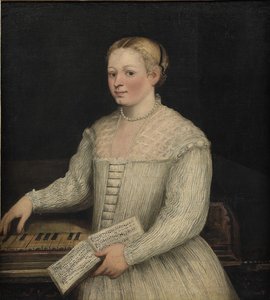
To stand before this depiction of Marietta Robusti is to encounter not merely a likeness, but a moment suspended in the rich, vibrant tapestry of late Renaissance Venice. The air around her seems thick with the scent of aged varnish and the ghost notes of music yet unplayed. She is captured in an intimate, three-quarter pose, seated before the elegant expanse of a harpsichord. Her gaze, though directed slightly away from the viewer, possesses an undeniable intelligence—a quiet dignity that speaks volumes of her intellect and artistic immersion. The composition itself guides the eye with masterful subtlety; the gentle diagonal sweep created by her posture and the instrument anchors the scene, while the dark, undifferentiated background serves to heighten the luminosity emanating solely from her figure.
Technique and Material Mastery
The artist, working in a style deeply rooted in Venetian portraiture, demonstrates an exquisite command of oil paint. One can almost feel the meticulous layering that gives depth to the textures presented. Observe the contrast between the smooth, porcelain quality of her skin—highlighted by soft, diffused light catching her cheekbone—and the crisp articulation of the lace at her collar. The handling of fabric is particularly noteworthy; the woven texture of her gown and the delicate folds suggest a painter who understood how light interacts with different materials. The inclusion of sheet music adds another layer of technical brilliance, requiring fine, precise lines to delineate the paper's edges against the polished wood of the keyboard. This attention to varied surface quality elevates the piece beyond simple representation into a study of material existence.
A Window into Venetian Culture and Ambition
This portrait is more than just a depiction of a musician; it is a cultural artifact from 1580 Venice. Marietta, daughter of the celebrated Tintoretto, lived within an environment where artistic genius was both nurtured and constrained by social expectation. The presence of the instrument and music serves as potent symbolism: it speaks to her cultivated talent, perhaps hinting at patronage or the intellectual life afforded to women of means. Her attire subtly communicates her standing within Venetian society. It is a portrait steeped in the gravity of an era where art was inextricably linked to status, making her quiet composure feel like a declaration of self-worth.
Emotional Echoes for the Modern Collector
For the contemporary collector or designer seeking pieces that breathe history into modern interiors, this reproduction offers profound emotional resonance. The mood is one of contemplative beauty—a sense of focused artistry and enduring grace. It invites quiet reflection, suggesting that true genius often resides not in grand pronouncements, but in moments of deep concentration. Owning a piece like this allows one to curate an atmosphere steeped in the romance of the Renaissance masters, bringing home a tangible echo of Venetian brilliance.
질의응답
마리에타 로부스티의 "Self-Portrait"의 색채는 얼마나 강렬한가요?
마리에타 로부스티의 "Self-Portrait"은(는) Monochromatic의 색채 강도를 보여줍니다.
마리에타 로부스티의 "Self-Portrait"에서 느껴지는 정서는 무엇인가요?
마리에타 로부스티의 "Self-Portrait"에 담긴 정서적 톤은 Reflective입니다. 이는 작품이 전달하는 감정을 요약한 것입니다.
Self-Portrait은(는) 마리에타 로부스티의 예술적 경력 중 어느 시기에 해당하나요?
마리에타 로부스티의 작품 세계에서 "Self-Portrait"은(는) Renaissance 시기의 작품입니다. 이 시기는 작가의 다른 작품들과 비교해 보는 데 유용한 지표가 됩니다.
작가 소개
마리에타 로부스티: 베네치아 여인의 붓터치
예술적 혁신과 사회적 제약이 공존하던 16세기 베네치아는 '라 틴토레타'로 잘 알려진 놀라운 인물, 마리에타 로부스티를 탄생시켰습니다. 거장 야코포 로부스티, 즉 틴토레토의 딸이었던 그녀는 여성 예술가에게 가혹했던 시대적 환경을 헤쳐 나가며, 섬세한 광채와 함께 야망과 가족, 그리고 비극적인 죽음이 교차하는 애틋한 이야기를 남겼습니다. 남아있는 사료가 제한적이기에 그녀의 삶은 어느 정도 신비에 싸여 있지만, 그 이면에는 격동의 시대 베네치아 미술 생산의 역동성을 엿볼 수 있는 매혹적인 단서들이 숨겨져 있습니다.
1560년경 탄생한(정확한 연도는 1555년에서 1560년 사이로 논쟁 중입니다) 마리에타의 어린 시절은 아버지의 작업실과 떼려야 뗄 수 없는 관계였습니다. 틴토레토의 화실은 단순한 일터 그 이상이었습니다. 그곳은 예술적 기법이 공유된 경험을 통해 연마되는 활기차고 협력적인 공간이었습니다. 그녀가 받은 교육의 구체적인 양상은 다소 불분명하지만, 마리에타가 틴토레토의 프로젝트에 크게 기여했을 것으로 믿어집니다. 주로 배경을 채우거나 인물의 윤곽을 잡는 작업들을 맡았는데, 이는 당시 화실의 위계 구조상 여성들에게 주로 배정되던 역할이었습니다. 그러나 이것은 단순한 보조 업무가 아니었습니다. 거장의 기술을 흡수하고 자신만의 예술적 감성을 발전시킬 수 있었던 창작 과정의 핵심적인 단계였습니다.
딸의 도제 생활과 예술적 정체성
마리에타의 별명인 '라 틴토레타'에는 그녀의 혈통과 독특한 화풍이 모두 담겨 있습니다. 이는 '작은 염색공 소녀'라는 뜻으로, 염색업(tintore)에 종사했던 할아버지의 직업을 기리는 동시에 틴토레토 작품의 특징인 강렬하고 생생한 색채를 은유적으로 암시합니다. 그녀의 가족사는 다소 복잡했습니다. 아버지는 파우스티나 에피스코피와 결혼했으나 그녀가 사망한 후 재혼하였고, 이로 인해 마리에타에게는 세 명의 이복형제가 생겼습니다. 이러한 복합적인 가족 구조는 의심할 여지 없이 마리에타의 성장 과정에 깊은 영향을 미쳤을 것입니다.
흥미롭게도 당시의 기록에 따르면, 마리에타는 틴토레토와 함께한 어린 시절에 소년처럼 옷을 입으며 남성적인 모습을 취하기도 했습니다. 이러한 파격적인 선택은 단순한 어린 시절의 장난이 아니었습니다. 그것은 당시 여성에게 요구되던 사회적 기대를 거스르고, 화실에 더 깊숙이 접근하여 예술적 과정에 온전히 참여하기 위한 의도적인 전략이었습니다. 틴토로토의 전기 작가 카를로 리돌피는 이 시기를 생생하게 묘사하며, 마리에타와 아버지 사이의 긴밀한 유대감과 그녀를 향한 아버지의 지극한 애정을 강조했습니다.
주요 작품과 예술적 스타일
여성 예술가에게 주어진 제약에도 불구하고, 마리에타 로부스티는 베네치아 미술사에 뚜렷한 발자취를 남겼습니다. 남성 화가들이 주로 걸었던 길인 대형 제단화와 같은 독립적인 종교화 의뢰를 받지는 못했지만, 그녀의 기여는 결코 작지 않습니다. 가장 널리 인정받는 작품은 현재 피렌체 우피치 미술관에 소장된 베네치아 여인(1580년경)입니다. 화려한 색채와 우아한 디테일이 풍부한 이 초상화는 인물의 특징을 포착하고 품격 있는 침착함을 전달하는 그녀의 탁월한 능력을 잘 보여줍니다.
나아가 그녀는 오타비오 스트라다의 초상(1567)을 포함한 여러 주요 작품에서 아버지의 작업을 도왔으며, 이를 통해 틴토레토 특유의 기법인 '키아로스쿠로(chiaroscuro)'—빛과 어둠의 극적인 대비—에 대한 깊은 이해도를 증명했습니다. 그녀의 작업은 종종 분위기 있는 배경을 조성하고 구도 내에서 인물의 형태를 섬세하게 잡아내는 역할을 수행하며, 작품 전체의 조화와 역동성을 완성하는 데 기여했습니다.
비극적인 결말과 영원한 유산
마리에타의 삶은 1590년, 서른이라는 젊은 나이에 비극적으로 막을 내렸습니다. 당시 여성들에게 흔히 찾아왔던 운명인 산욕열로 인해 그녀는 세상을 떠났습니다. 그녀의 죽음은 틴토레토에게 깊은 슬픔을 안겨주었습니다. 전해지는 바에 따르면, 그는 임종 직전의 그녀를 위해 애틋한 사후 초상화를 남겼다고 하는데, 이는 두 사람 사이의 깊고 영원한 유대감을 상징적으로 보여주는 장면입니다.
그녀가 세상을 떠난 후, 마리에타의 예술적 성취는 오랫동안 아버지의 업적에 가려져 있었습니다. 그러나 최근 수십 년 동안 학자들은 그녀의 기여도를 재조명하기 시작했으며, 베네치아 미술사의 각주로만 치부되었던 전통적인 서사에 의문을 제기하고 있습니다. 그녀의 이야기는 르네상스 시대 여성 예술가들이 마주해야 했던 장애물을 상기시키는 동시에, 뛰어난 기술과 결단력, 그리고 가족이라는 유대를 통해 관습에 저항했던 한 재능 있는 여인의 영원한 유산을 우리에게 전해줍니다.
더 알아보기
- 마리에타 로부스티 (1554 - 1590) - OriginalUniqueArt.com: OriginalUniqueArt.com에서 그녀의 전기와 작품을 탐색해보세요
- 오타비오 스트라다의 초상: OriginalUniqueArt.com에서 이 걸작을 만나보세요
- 베네치아 여인 (추정): OriginalUniqueArt.com에서 ‘베네치아 여인’을 감상해보세요
- Wikipedia - 마리에타 로부스티: 위키피디아에서 그녀의 삶과 작품에 대해 더 읽어보세요
마리에타 로부스티
1554 - 1590 , 이탈리아
주요 정보
- Artistic Movement Or Style: 르네상스
- Artists Or Movements Influenced By This Artist: ['틴토레토']
- Artists Who Influenced This Artist: ['틴토레토']
- Date Of Birth: 1554
- Date Of Death: 1590
- Full Name: 마리에타 로부스티
- Nationality: 이탈리아
- Notable Artworks:
- 자화상
- 오타비오 스트라다의 초상
- Place Of Birth: 이탈리아 베네치아