

 보내기
보내기 공유하기
공유하기
 상세 보기
상세 보기 가이드 보기

 이미지 다운로드
 유사 작품 더 보기
 슬라이드 쇼 보기
 통계 정보
통계 정보Henriette in the textile workshop
 Black and White Photography
- Photo
- Contemporary Realism
 1907
1907- Modern
 20.0 x 26.0 cm
 Palazzo Fortuny
 상세 보기
상세 보기
지클레 / 아트 프린트
빠른 제작과 다양한 마감 옵션을 선택할 수 있는 박물관 수준의 지클레이 및 캔버스 프린트. ( 수작업 채색 복제본 주문하기 디지털 이미지 판매 채널로 전환)




































작품의 원본 비율을 그대로 유지하는 프리셋 사이즈 중에서 선택해 보세요.

특정 프레임이나 공간에 맞춰 직접 치수를 입력하실 수 있습니다. 선택하신 사이즈가 원본 이미지의 비율과 일치하지 않을 경우, 작품을 크롭(자르기)하거나 이미지를 대칭 또는 단색 채우기로 확장하여 제작합니다. 제작 시작 전, 최종 확인을 위해 디지털 목업이 전송됩니다.
화면상의 미리보기는 실제 크롭이나 확장 상태를 반영하지 않으므로, 최종 구도는 오직 목업을 통해서만 정확하게 확인하실 수 있습니다.
맞춤 사이즈 제작도 가능하지만, 원본 비율을 유지하기 위해서는 사전 정의된 목록에서 치수를 선택하시는 것을 권장합니다.


 유리 옵션은 110cm 미만 크기에서만 선택 가능합니다.

Henriette in the textile workshop
지클레 / 아트 프린트
복제본 규격
-


총 결제 금액
$ 80
A Moment Frozen in Monochrome: The Soul of the Workshop
In the quiet, shadowed corners of the Palazzo Pesaro degli Orfei, a single moment from 1907 remains eternally suspended. Mariano Fortuny’s “Henriette in the textile workshop” is far more than a mere photographic record; it is an intimate window into a creative sanctuary where art and life were inextricably woven together. This black and white photograph captures Henriette Negrin, not merely as a subject, but as a vital force within the studio’s industrious atmosphere. As she sits at a table laden with the very fabrics and tools that would define an era of textile innovation, there is a profound sense of purpose radiating from her focused gaze. The image invites the viewer to step into this private world, feeling the weight of history and the quiet intensity of a woman engaged in the meticulous labor of beauty.
The composition masterfully utilizes the interplay of light and shadow to sculpt the scene, employing a technique that borders on the cinematic. Soft illumination bathes Henriette’s face, pulling her from the surrounding gloom, while deep, velvety shadows swallow the edges of the workshop, creating an atmosphere of mystery and reverence. This dramatic use of chiaroscuro does more than just define form; it emphasizes the textures of the workspace—the rough grain of tools, the delicate drape of fabrics, and the heavy presence of stone. Through a slightly elevated perspective, the photographer draws us into the artist’s immediate environment, creating a sense of depth that makes the room feel both expansive in its history and intimate in its shared secrets.
The Symbiosis of Muse and Maker
To understand this piece is to understand the legendary partnership between Mariano Fortuny and his wife, Henriette. While history often remembers Fortuny as the polymathic genius—the inventor of revolutionary lighting and the creator of the iconic Delphos gown—this photograph serves as a poignant reminder that Henriette was his essential collaborator. She was the catalyst for much of his most celebrated work, a pioneer in her own right whose intelligence and aesthetic sensitivity helped shape the very fabric of Venetian decorative arts. In this workshop setting, she is depicted not as a passive muse, but as an active participant in the creative process, embodying the spirit of craftsmanship that defined their shared life.
For the collector or interior designer, this artwork offers a sophisticated layer of narrative depth to any space. It speaks to the values of dedication, heritage, and the pursuit of excellence. The monochromatic palette provides a timeless elegance that complements both classical and contemporary interiors, offering a focal point that is both intellectually stimulating and visually soothing. Whether placed in a library, a studio, or a grand salon, this reproduction brings with it the aura of the Venetian Renaissance revival—a period characterized by an obsession with reviving classical motifs and a profound respect for the tactile beauty of handmade goods.
Ultimately, “Henriette in the textile workshop” is an evocative tribute to the labor of love. It captures the essence of an era where the boundaries between fine art and decorative craft were beautifully blurred. By bringing this piece into a home, one does not just acquire a photograph; one invites the spirit of Fortuny’s legendary atelier—a place of experimentation, light, and enduring elegance—into their own surroundings.
작가 소개
초기 생애와 영감
마리아노 포르투니는 스페인의 패션 디자이너로, 1871년 5월 11일 그라나다에서 태어났습니다. 그의 아버지인 마리아노 포르투니 이 마르살은 장르 화가였으나, 마리아노가 겨우 세 살일 때 돌아가셨습니다. 이 사건으로 인해 가족은 프랑스 파리로 거처를 옮기게 되었고, 그곳에서 어머니는 마리아노에게 나중에 그의 창의성에 큰 영향을 미칠 다양한 직물과 천들을 접하게 했습니다.예술적 재능과 발명품
어린 시절부터 마리아노 포르투니는 그림, 사진, 조각, 건축, 에칭, 그리고 극장 무대 조명에 이르기까지 다방면에 걸친 예술적 재능을 마음껏 펼쳐 보였습니다. 1901년부터 1934년 사이에 특허를 받은 스무 가지가 넘는 그의 발명품들은 무대 디자인의 세계 자체를 혁신적으로 변화시켰습니다.- 그는 플라스터나 천으로 만든 사분면 돔 형태의 포르투니 사이클로라마 돔을 개발했는데, 이는 간접 조명을 사용하여 장면들 사이에 끊김 없는 전환을 만들어냈습니다.
- 그의 논문 "에클라라지 스에니크(eclairage scenique)" (1904)에서는 빛이 다양한 표면에서 반사되는 현상을 발견하고, 그로 인해 색상, 강도, 특성이 변화하는 원리를 기술했습니다.
주요 공헌과 협업
마리아노 포르투니의 작품은 1920년대에 이르러 광범위한 인정을 받게 됩니다. 그는 다음과 같은 저명한 예술가들과 협력하며 자신의 영역을 넓혔습니다:- 독일 작곡가인 리하르트 바그너는 그의 오페라에서 영감을 받아 마리아노가 무대 장면들을 그릴 수 있게 했습니다.
- 또한, 그가 자신의 돔을 설치했던 유명한 오페라 하우스인 밀라노 스칼라 극장에서는 더 큰 무대에 맞게 돔을 개조하고, 그 구조를 팽팽하게 유지하기 위해 흡입식 팬까지 발명해냈습니다.
유산과 말년
마리아노 포르투니는 1949년 5월 3일 이탈리아 베네치아에서 세상을 떠났습니다. 그의 예술 세계는 프랑스 소설가 마르셀 프루스트에게 영감을 주었으며, 그의 삶은 페레 지므페레의 소설 "포르투니"에 그려지기도 했습니다. 마리아노의 유산은 오늘날까지도 무대 디자인의 세계에 깊은 영향을 미치고 있습니다.- 마리아노 포르투니의 발명품과 디자인에 대해 더 알고 싶으시다면 올페인팅스스토어 컬렉션을 둘러보세요.
- 미국 미술사에 한순간의 불행한 사건으로 기록된 화재로 파괴된 박물관의 무대 조명에 미친 그의 영향을 올페인팅스스토어 블로그에서 발견할 수 있습니다.
마리아노 포르투니와 다른 예술가들의 엄선된 작품
- 마리아노 포르투니: 티아가운 (미술 박물관, 보스턴, 미국), 올페인팅스스토어 컬렉션에서 만나보세요.
- 마르크 샤갈: '아가의 노래 IV' 연구 (나이브 아트 / 원시주의), 올페인팅스스토어 컬렉션에서 만나보세요.
- 파블로 피카소: 클라리넷 (분석적 입체주의, 유채화), 올페인팅스스토어 컬렉션에서 만나보세요.
- 빈센트 반 고흐: 나무 뿌리 (50 x 100 cm, 후기 인상주의, 유채화), 올페인팅스스토어 컬렉션에서 만나보세요.

마리아노 포르투니
1871 - 1949 , 스페인
작가 정보 요약
- Artistic Movement Or Style: 오리엔탈리즘 미술
- Artists Or Movements Influenced By This Artist: ['마르셀 프루스트']
- Artists Who Influenced This Artist: ['리하르트 바그너']
- Date Of Birth: 1871년 5월 11일
- Date Of Death: 1949년 5월 3일
- Full Name: 마리아노 포르투니 이 마르살
- Nationality: 스페인
- Notable Artworks:
- 티아가운
- 앙리엣 포르투니 초상화
- Place Of Birth: 그라나다, 스페인
관련 기사

Monochrome Visions: Exploring the Aesthetic & Historical Significance of Black & White Photography
Explore the rich history & artistic power of black and white photography. From early techniques to iconic masters like Ansel Adams, discover why monochrome continues to captivate art lovers today. Expert insights for collectors.

Dark Masterpieces: 10 Iconic Paintings Dominated by Black Tones |
Explore 10 iconic paintings dominated by black tones, from Rembrandt’s chiaroscuro to Goya's dark expressions. Discover the stories behind these masterpieces & find museum-quality art reproductions for your home at .

White on Canvas: 10 Masterpieces & Timeless Elegance for Your Home Decor
Explore 10 iconic white paintings by Monet, Whistler & Rothko! Discover the stories behind these serene masterpieces and their impact on art history. Find museum-quality reproductions for your home decor at .

Mariano Fortuny: A Fusion of Art, Fashion & Design – Exploring a Venetian Innovator's Legacy
Explore the captivating world of Mariano Fortuny – artist, designer & innovator. Discover his revolutionary textiles, iconic Delphos gown, and lasting influence on art, fashion & interiors. A collector's guide to a Venetian master.
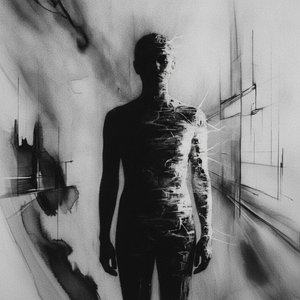
Shadow & Soul: Why Black & White Photography Remains the Ultimate Power Move in Modern Art
Discover why black & white photography remains a powerful force in contemporary art. Explore the impact of light, shadow, and texture through a visual journey of monochrome mastery and learn how to elevate your space with timeless grayscale aesthetics.
