프린트 판매로 전환
 더 보기
더 보기







































 가로 또는 세로 중 어느 한 면이라도 105cm(약 41인치)를 초과하는 작품이나 복제화의 경우, 프레임은 분해된 키트 형태로 배송됩니다. 이는 안전한 배송을 보장하고 운송 중 발생할 수 있는 손상을 방지하기 위함입니다.


A Botanical Vision of Devotion
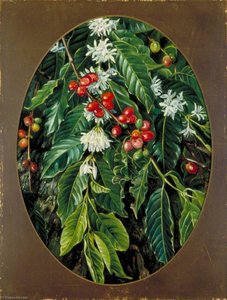
In the delicate interplay of light and verdant shadow, Marianne North’s 1878 masterpiece, “A Sacred Grass,” offers far more than a mere botanical study; it serves as a window into a world where scientific curiosity meets profound spiritual reverence. The painting presents a meticulously rendered cluster of Kusha grass, its tall stalks and vibrant green leaves swaying with an almost palpable vitality. Captured through the medium of oil on canvas, North utilizes the rich, nuanced tonal variations inherent to this technique to breathe life into each blade. The composition is uniquely cradled within a circular frame, a subtle artistic choice that focuses the viewer’s gaze inward, creating an intimate, immersive experience that feels like peering into a hidden, sanctified corner of the natural world.
The artist's hand reveals a sophisticated command of Luminism, a style characterized by soft, diffused light and a gentle atmospheric perspective. Rather than relying on harsh outlines, North employs fluid brushstrokes to suggest the undulating movement of the grass, allowing light to dance across the textured surface. This impressionistic touch prioritizes mood and atmosphere over clinical precision, inviting the observer to feel the humidity of the air and the quiet stillness of the landscape. For the discerning collector or interior designer, this technique provides a sense of depth and organic movement that can transform a space, offering a focal point that is both intellectually stimulating and visually soothing.
The Intersection of Science and Spirit
To understand “A Sacred Grass,” one must look beyond the pigment to the historical currents that shaped its creation. Painted during the height of the Victorian era—a period defined by intrepid global expeditions and a burgeoning passion for exotic flora—the work reflects the era's dual commitment to scientific observation and spiritual interconnectedness. Marianne North herself was a trailblazer, a woman who defied the rigid domestic expectations of her time to traverse continents in pursuit of botanical discovery. Her ability to weave cultural significance into her biological observations elevates this piece from a specimen study to a narrative of global exploration.
The symbolism embedded within the subject matter adds a layer of profound meaning for those who appreciate art with depth. The Kusha grass depicted is not merely a plant; in Hindu tradition, it is a sacred element used extensively in rituals to symbolize purity, fertility, and protection. By capturing this specific species, North honors the cultural traditions she encountered during her travels, infusing her work with an aura of auspiciousness and sanctity. This marriage of botanical accuracy and spiritual weight creates an emotional impact of profound tranquility, making the painting an ideal acquisition for those seeking to bring a sense of peace, resilience, and natural wonder into their curated environments.
질의응답
마리애너 노스의 "A Sacred Grass"의 복제본은 어디에 걸면 좋을까요?
마리애너 노스의 "A Sacred Grass"의 작품 형태(Square)와 추천 공간(Wellness Center)은 이 작품을 위한 두 가지 배치 정보입니다.
마리애너 노스의 "A Sacred Grass"의 형태와 크기는 어떻게 되나요?
마리애너 노스의 "A Sacred Grass"은(는) 27 x 27 cm 크기의 Square 형식 작품입니다.
주문하기 전에 마리애너 노스의 "A Sacred Grass"를 미리 볼 수 있나요?
"A Sacred Grass"의 가상 배치 미리보기 페이지에서는 주문 전 작품을 미리 확인할 수 있습니다.
이 작품에 대해 더 알아보기
 미리보기
미리보기
 공유하기
공유하기 공유하기
공유하기
 상세 정보
상세 정보 가이드 보기

 다운로드
다운로드
 유사 작품 더 보기
 X-레이
X-레이 슬라이드 쇼 보기
 질의응답
질의응답 통계 정보
통계 정보