
 미리보기
미리보기
 공유하기
공유하기 공유하기
공유하기
 상세 정보
상세 정보 가이드 보기

 다운로드
다운로드
 유사 작품 더 보기
 X-레이
X-레이 슬라이드 쇼 보기
 질의응답
질의응답 통계 정보
통계 정보Transition of Virgin into a Bride

- 59.0 x 53.0 cm


 더 보기
더 보기
이 페이지에 표시된 작품은 저작권법의 보호를 받으며, 이에 따라 동일한 복제품을 제작하거나 판매하는 것은 법으로 금지되어 있습니다. 이러한 권리 보호는 다음과 같은 국제 협약에 따라 시행됩니다. 베른 협약 또한 다음에서 명시하는 법률을 포함한 국내법에 의해 보호됩니다. 미국 저작권법 제17조.
이 방식은 저작권 보호를 받는 예술 작품을 복제하거나 그대로 재현하는 것이 아니기에 저작권 규정을 완벽히 준수합니다. 대신, 이는 창의적인 재해석의 과정을 거칩니다. 즉, 원작에서 영감을 받되 원작과 동일하지 않은 새로운 회화 작품을 의미합니다.
지클레 / 아트 프린트
빠른 제작과 다양한 마감 옵션을 제공하는 박물관 수준의 지클레이 및 캔버스 프린트. ( 수작업 채색 복제본 주문하기 디지털 이미지로 전환)




P118B ₩10

P118H ₩10

P118W ₩10

P438Z ₩10

P508JH ₩12

P508YH ₩12

P805H ₩10

P805Z ₩10

P919BZ ₩10

P919G ₩10

P919XJ ₩10

P959ZH ₩10

P968JZ ₩12

W106C ₩8

W218G ₩10

W218JH ₩8

W218Y ₩10

W307PJ ₩10

W316G ₩10

W316PJ ₩8

W316Y ₩10

W398PJ ₩8

W4111J ₩10

W500HY ₩15

W500JH ₩15

W692G ₩12

W849H ₩8

W940BG ₩15

W953PJ ₩8




작품의 원본 비율을 그대로 유지하는 프리셋 사이즈 중에서 선택해 보세요.

액자나 벽면 크기에 맞춰 필요한 가로와 세로 길이를 입력해 주세요. 프린트는 원본 이미지보다 크게 제작할 수 없으며 오직 자르는 것만 가능하므로, 비율이 다른 사이즈를 선택할 경우 이미지의 일부가 잘려 나갈 수 있습니다. 인쇄 작업에 들어가기 전, 최종 확인을 위해 디지털 목업을 보내드립니다. 이 페이지에 표시된 이미지는 실제 잘리는 영역을 나타내지 않으며, 오직 목업을 통해서만 정확한 확인이 가능합니다.


 유리 옵션은 110cm 미만 크기에서만 선택 가능합니다.

Transition of Virgin into a Bride
지클레 / 아트 프린트
복제본 크기
-


최종 결제 금액
₩ 108463
Transition of Virgin into a Bride
Marcel Duchamp's Transition of Virgin into a Bride, created in 1912, is a seminal work that exemplifies the artist's innovative approach to cubism. This painting, measuring 59 x 53 cm and executed in oil on canvas, showcases Duchamp’s unique style and technique.The Artistic Context
During the early 20th century, art movements like Cubism and Dada were gaining prominence. Mixed media art, which involves combining different materials to create a new whole, was also becoming increasingly popular. As discussed in Mixed Media Art: A Comprehensive Overview, this art form has been around for centuries but gained significant attention during the 20th century. The exploration of new artistic expressions was driven by a desire to challenge established conventions and explore uncharted territories—a reaction against academic traditions that had dominated European painting for decades. Artists sought to break free from representational constraints and embrace abstraction, experimenting with geometric forms and fragmented perspectives as ways to convey emotion and experience.Composition and Symbolism
The painting features a woman's face as its central focus, positioned in the center of the canvas. The background is composed of various shapes and forms that create an intricate and complex composition. Several chairs are scattered throughout the painting, adding depth and interest to the scene. These elements contribute to the overall cubist aesthetic, characteristic of Duchamp’s work. The artist deliberately disrupted traditional notions of perspective and spatial representation, opting instead for a fractured visual language that mirrored the psychological complexities of modern life. This technique—breaking down objects into geometric planes—was not merely stylistic; it was intended to convey a sense of disorientation and uncertainty, reflecting the anxieties of the era. The woman's face represents the transition from virginity to marriage, symbolizing a significant life change. It embodies themes of innocence, vulnerability, and transformation—concepts that resonated deeply with artists grappling with questions of identity and societal expectations. The chairs may signify the various stages or roles that one assumes during this transition—stability versus movement, comfort versus challenge—further enriching the painting’s symbolic dimension. Duchamp's masterful use of color—muted tones dominated by earthy hues—reinforced these themes, creating a contemplative mood that invites viewers to contemplate the complexities of human experience.Artistic Influence
Marcel Duchamp was a pioneer in the Cubist movement, influencing many artists who followed. His work can be seen as part of the broader history of Western painting, which has evolved over centuries. As noted in Western Painting, this tradition includes representational and traditional modes of production, with more modern, abstract, and conceptual forms gaining favor from the mid-19th century onwards. Duchamp’s radical departure from conventional artistic practices paved the way for subsequent movements like Surrealism and Conceptual Art—demonstrating the transformative power of artistic experimentation.Conclusion
Transition of Virgin into a Bride is a masterpiece that showcases Marcel Duchamp’s innovative approach to cubism. The painting's intricate composition and symbolism make it a captivating piece of art. For those interested in exploring more of Duchamp’s work, Painting by 'Marcel Duchamp' | Marcel Duchamp: Transition of Virgin into a Bride and Painting by 'Marcel Duchamp' | Marcel Duchamp: The Passage from Virgin to Bride are available on OriginalUniqueArt. This painting is a testament to the artist’s contribution to the history of painting, which spans across cultures and continents. As discussed in The History of Painting, this continuous river of creativity continues into the 21st century, with artists like Marcel Duchamp leaving a lasting impact on the art world. OriginalUniqueArt.com offers handmade oil painting reproductions of Transition of Virgin into a Bride and other works by Marcel Duchamp. These high-quality reproductions allow art enthusiasts to own a piece of history, bringing the beauty and significance of these artworks into their homes.질의응답
"Transition of Virgin into a Bride"을(를) 정의하는 팔레트와 주요 색상은 무엇인가요?
마르셀 뒤샹의 "Transition of Virgin into a Bride"의 색채 정체성: Walnut (#705236)이(가) 주를 이루는 Dark 팔레트.
마르셀 뒤샹의 "Transition of Virgin into a Bride"을 관통하는 주요 색조는 무엇인가요?
"Transition of Virgin into a Bride"은(는) Ochre to Sepia 톤이 주를 이룹니다.
마르셀 뒤샹의 "Transition of Virgin into a Bride"은(는) Cubism 내에서 어떤 분위기를 자아내나요?
"Transition of Virgin into a Bride"의 Romantic한 정서는 Cubism 양식과 조화를 이룹니다.
작가 정보
마르셀 뒤샹: 예술의 경계를 허문 선구자
마르셀 뒤샹, 1887년 프랑스 블랭빌에서 태어나 1968년 뉴욕에서 세상을 떠난 그는 단순한 화가가 아닌, 예술의 본질을 근본적으로 질문하고 현대 미술의 지형을 완전히 바꿔놓은 사상가이자 선구자였다. 뒤샹은 어린 시절부터 예술적 환경 속에서 성장하며 그림과 조각에 대한 재능을 보였지만, 전통적인 예술 교육을 거치면서도 끊임없이 기존의 틀을 벗어나려는 실험 정신을 불태웠다. 그는 단순히 세상을 묘사하는 것을 넘어, 우리가 세상을 인식하고 예술이라는 개념 자체를 정의하는 방식에 도전하고자 했다. 이러한 지적 호기심은 그의 전 생애에 걸쳐 펼쳐진 다채로운 작품 활동의 원동력이 되었다.입체주의에서 다다이즘으로: 관습과의 단절
뒤샹의 예술 여정은 끊임없는 진화와 변화로 점철되어 있다. 초기에는 입체주의의 영향을 받아 형태를 분해하고 다양한 시점을 탐구하는 작품들을 선보였지만, 곧 순수한 미적 가치에만 머무르는 것을 거부하며 더 깊이 있는 질문을 던지기 시작했다. 제1차 세계대전의 참혹함은 그의 예술적 혼란을 더욱 심화시켰고, 그는 기존의 논리와 이성, 그리고 전통적인 예술 가치를 부정하는 다다이즘에 몸을 담게 된다. 다다이즘 안에서 뒤샹은 예술의 의미를 해체하고 재정립하기 위한 과감한 시도를 감행했다. 아름다움을 추구하는 대신, 그는 생각과 논쟁을 불러일으키고 관습적인 판단 기준을 폭로하고자 했다.르디메이드와 예술의 전복
뒤샹이 남긴 가장 획기적인 유산은 바로 ‘르디매이드(ready-made)’라는 개념이다. 이는 일상적인 오브제를 약간의 변형 없이 그대로 작품으로 제시하는 기법으로, 기존의 예술적 숙련도와 창조성에 대한 통념을 완전히 뒤흔들었다. 1917년, 그는 변기를 가져다 놓고 ‘R. Mutt’라는 가명을 써서 ‘샘(Fountain)’이라는 제목으로 전시회에 출품했다. 이 사건은 예술의 정의를 둘러싼 격렬한 논쟁을 불러일으켰고, 예술가의 손기술이 아닌 아이디어가 작품의 가치를 결정한다는 개념을 확립하는 데 결정적인 역할을 했다. L.H.O.O.Q.(1919)는 모나리자의 초상화에 콧수염과 오리를 그린 단순한 콜라주이지만, 예술사의 상징을 해체하고 관습적인 미적 가치관에 도전하는 강력한 메시지를 담고 있다. 뒤샹은 예술이 눈으로 감상하는 것을 넘어, 정신으로 사유하는 활동이어야 한다고 믿었다.유산과 지속적인 영향력
마르셀 뒤샹의 작품은 현대 미술에 지대한 영향을 미쳤으며, 개념 미술, 미니멀리즘, 팝 아트 등 수많은 예술 운동의 토대가 되었다. 그의 아이디어 중심의 예술관은 오늘날까지도 수많은 예술가들에게 영감을 주고 있으며, 창작과 예술의 본질에 대한 끊임없는 질문을 던지고 있다. 입체주의, 다다이즘, 그리고 개념 미술 등 다양한 사조를 섭렵하며 그는 예술의 경계를 허물고 새로운 가능성을 제시했다. 뒤샹은 단순한 예술가가 아니라, 철학자이자 선동가였으며, 예술에 대한 우리의 고정관념을 깨뜨리고 끊임없이 질문하게 만드는 혁명가였다. 그의 작품은 예술이 무엇인가를 정의하는 것이 아니라, 그 의미를 끊임없이 재고하도록 촉구하며 현대 미술의 지평을 넓혔다. 특히 대 유리(The Large Glass)(1915-1923)는 복잡한 상징과 불가사의한 이미지로 뒤샹의 지적 깊이와 지속적인 영향력을 증명하는 작품으로 평가받는다. 뒤샹의 예술은 답을 제공하기보다는 질문을 던지는 방식으로, 오늘날까지도 우리를 사유하게 하고 영감을 불어넣고 있다.주요 작품
- 샘 (Fountain)
- L.H.O.O.Q.
- 대 유리 (The Large Glass)
- 보이테-앙-발리즈 (Boîte-en-valise)
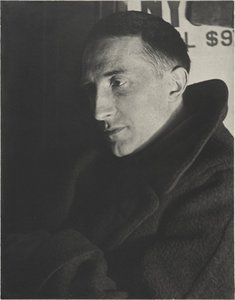
마르셀 뒤샹
1887 - 1968 , 프랑스
작가 정보 요약
- 국적: 프랑스-미국 국적
- 영향을 받은 예술가/운동:
- 개념 미술
- 팝 아트
- 미니멀리즘
- 예술 운동/스타일:
- 입체주의
- 다다이즘
- 개념 미술
- 전체 이름: 마르셀 뒤샹
- 주요 작품:
- 퐁튀(Fountain)
- L.H.O.O.Q.
- 대형 유리 (The Large Glass)
- 보이트-앙-발리즈(Boîte-en-valise)
- 출생일: 1887년 7월 28일
관련 콘텐츠
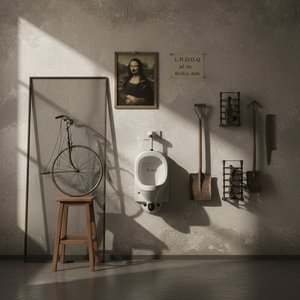
Marcel Duchamp: Challenging Conventions & Redefining Art in the 20th Century
Explore the revolutionary art of Marcel Duchamp! Discover how his Dadaist readymades challenged artistic conventions & redefined modern art. A deep dive into 'Fountain', conceptual shifts, and his lasting impact.

폴 세잔 명작 25선: 시대를 초월하는 예술과 공간의 미학 | OriginalUniqueArt
폴 세잔의 시대를 초월하는 명작 25점을 만나보세요. 인상주의를 넘어 후기 인상주의를 개척한 화가의 예술 세계와 정물화, 풍경화 속 숨겨진 이야기를 OriginalUniqueArt에서 감상하세요. 고품질 아트 프린트와 캔버스 액자로 공간에 예술을 더해보세요! 지금 바로 컬렉션을 탐험하세요.

Deconstructing Reality: Cubism's Evolution, Impact & Enduring Legacy
Explore the revolutionary world of Cubism with expert insights from OriginalUniqueArt. Discover Picasso & Braque's groundbreaking techniques, its philosophical roots, and lasting impact on modern art. Expert appraisal & custom reproductions available.
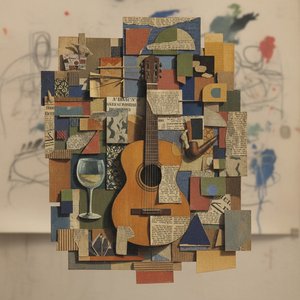
Deconstructing Reality: A Comprehensive Exploration of Synthetic Cubism's Evolution & Impact
Explore the revolutionary world of Synthetic Cubism! Discover its origins, key artists like Picasso & Braque, techniques, and lasting impact on modern art. A comprehensive guide for enthusiasts.
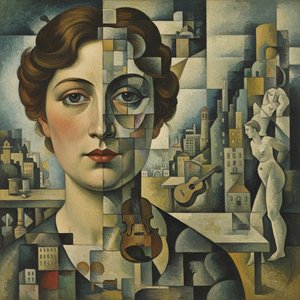
Deconstructing Reality: Cubism's Revolutionary Impact on 20th-Century Art
Explore the revolutionary world of Cubism with OriginalUniqueArt. Discover Picasso & Braque's groundbreaking techniques, its philosophical roots, and lasting impact on modern art. Expert insights for collectors.


