

 실제 크기로 보기
 보내기
보내기 공유하기
공유하기
 상세 보기
상세 보기 가이드 보기

 이미지 다운로드
 유사 작품 더 보기
 X-레이
X-레이 슬라이드 쇼 보기
 통계 정보
통계 정보Hat Rack


 상세 보기
상세 보기
이 페이지에 표시된 작품은 저작권법의 보호를 받으며, 이에 따라 동일한 복제품을 제작하거나 판매하는 것은 법으로 금지되어 있습니다. 이러한 권리 보호는 다음과 같은 국제 협약에 따라 시행됩니다. 베른 협약 또한 다음에서 명시하는 법률을 포함한 국내법에 의해 보호됩니다. 미국 저작권법 제17조.
이 방식은 저작권 보호를 받는 예술 작품을 복제하거나 그대로 재현하는 것이 아니기에 저작권 규정을 완벽히 준수합니다. 대신, 이는 창의적인 재해석의 과정을 거칩니다. 즉, 원작에서 영감을 받되 원작과 동일하지 않은 새로운 회화 작품을 의미합니다.
지클레 / 아트 프린트
빠른 제작과 다양한 마감 옵션을 선택할 수 있는 박물관 수준의 지클레이 및 캔버스 프린트. ( 수작업 채색 복제본 주문하기 디지털 이미지 판매 채널로 전환)




P118B ₩10

P118H ₩10

P118W ₩10

P438Z ₩10

P508JH ₩12

P508YH ₩12

P805H ₩10

P805Z ₩10

P919BZ ₩10

P919G ₩10

P919XJ ₩10

P959ZH ₩10

P968JZ ₩12

W106C ₩8

W218G ₩10

W218JH ₩8

W218Y ₩10

W307PJ ₩10

W316G ₩10

W316PJ ₩8

W316Y ₩10

W398PJ ₩8

W4111J ₩10

W500HY ₩15

W500JH ₩15

W692G ₩12

W849H ₩8

W940BG ₩15

W953PJ ₩8




작품의 원본 비율을 그대로 유지하는 프리셋 사이즈 중에서 선택해 보세요.

액자나 벽면 크기에 맞춰 필요한 가로와 세로 길이를 입력해 주세요. 프린트는 원본 이미지보다 크게 제작할 수 없으며 오직 자르는 것만 가능하므로, 비율이 다른 사이즈를 선택할 경우 이미지의 일부가 잘려 나갈 수 있습니다. 인쇄 작업에 들어가기 전, 최종 확인을 위해 디지털 목업을 보내드립니다. 이 페이지에 표시된 이미지는 실제 잘리는 영역을 나타내지 않으며, 오직 목업을 통해서만 정확한 확인이 가능합니다.


 유리 옵션은 110cm 미만 크기에서만 선택 가능합니다.

Hat Rack
지클레 / 아트 프린트
복제본 규격
-


총 결제 금액
₩ 108600
A Deconstructed Object: Marcel Duchamp’s “Hat Rack” – A Study in Provocation
Marcel Duchamp's "Hat Rack," painted in 1917, isn’t merely a depiction of furniture; it’s a deliberate dismantling of artistic conventions and a profound statement on the nature of art itself. This seemingly simple image—a wooden chair supporting an absurdly stacked collection of hats—holds within its quiet stillness a revolutionary spirit that continues to resonate with viewers today. The painting, now housed in the Israel Museum, offers a glimpse into Duchamp’s burgeoning Dadaist philosophy and his audacious challenge to established artistic norms.
The composition is deceptively straightforward. A chair, rendered with an almost clinical precision, forms the skeletal structure of the piece. Its unusual design—a slightly off-kilter angle and subtly exaggerated proportions—suggests a deliberate rejection of functionalism. Instead of serving its intended purpose as a comfortable seat, it becomes a stage for the chaotic arrangement of hats. These aren’t meticulously chosen or artistically displayed; they are piled haphazardly upon one another, creating a visual jumble that defies logic and order. Duchamp's choice to present this commonplace object—a chair and a collection of hats—elevates them to the realm of art through sheer act of selection and presentation.
Dadaist Roots: Challenging Artistic Values
“Hat Rack” is deeply rooted in the Dada movement, which emerged during World War I as a reaction against the perceived irrationality and brutality of the conflict. Dada artists sought to dismantle traditional values—including those surrounding art—and expose the absurdity of societal norms. Duchamp’s work embodies this spirit perfectly. He wasn't interested in creating beautiful objects; he was interested in questioning what constituted “beauty” or “value” within the art world. The hat rack, with its inherent lack of aesthetic appeal, becomes a powerful symbol of this rejection. It forces us to reconsider our assumptions about what deserves artistic attention and how we define artistic merit.
The painting’s creation coincided with Duchamp's exploration of chance operations and the concept of “readymades”—industrial or manufactured objects presented as art without alteration. This approach, central to Dadaism, challenged the traditional notion that an artist needed to create something entirely new. Duchamp argued that the selection and presentation of an existing object could be just as valid a form of artistic expression. The hat rack can be seen as a precursor to this readymade philosophy, demonstrating how the context and intention behind an object’s display could transform its meaning.
Technique and Symbolism: A Calculated Discomfort
Duchamp's technique is remarkably restrained, almost austere. The painting is executed in oil on canvas with a precise, almost photographic quality. This deliberate lack of expressive brushwork further emphasizes the object-like nature of the work. There’s no attempt to romanticize or embellish the scene; instead, Duchamp presents it with cold, objective clarity. The hats themselves—a motley collection of varying shapes, sizes, and colors—add layers of symbolic meaning. They can be interpreted as representing the anxieties and uncertainties of a rapidly changing world, or perhaps simply as a commentary on consumer culture and the accumulation of possessions.
Furthermore, the chair’s unusual design subtly hints at instability and imbalance. It's not a stable, supportive structure; it leans slightly, mirroring the precariousness of the hat arrangement above. This visual dissonance reinforces the painting’s overall theme of disruption and challenges our expectations of harmony and order. The placement within a museum setting further elevates the piece, suggesting that even the most mundane objects can be worthy of contemplation and artistic consideration.
A Timeless Provocation: Reproduction and Interpretation
OriginalUniqueArt offers meticulously crafted reproductions of “Hat Rack,” allowing you to bring this iconic work into your own space. Our hand-painted reproductions capture not only the visual details but also the underlying spirit of Duchamp’s revolutionary vision. Whether displayed in a contemporary interior or as a thoughtful addition to an art collection, "Hat Rack" continues to provoke and inspire, reminding us that art can be found in the unexpected and that questioning established norms is essential for artistic progress. Consider this piece not just as a painting, but as a meditation on perception, value, and the very definition of art itself.
작가 소개
마르셀 뒤샹: 예술의 경계를 허문 선구자
마르셀 뒤샹, 1887년 프랑스 블랭빌에서 태어나 1968년 뉴욕에서 세상을 떠난 그는 단순한 화가가 아닌, 예술의 본질을 근본적으로 질문하고 현대 미술의 지형을 완전히 바꿔놓은 사상가이자 선구자였다. 뒤샹은 어린 시절부터 예술적 환경 속에서 성장하며 그림과 조각에 대한 재능을 보였지만, 전통적인 예술 교육을 거치면서도 끊임없이 기존의 틀을 벗어나려는 실험 정신을 불태웠다. 그는 단순히 세상을 묘사하는 것을 넘어, 우리가 세상을 인식하고 예술이라는 개념 자체를 정의하는 방식에 도전하고자 했다. 이러한 지적 호기심은 그의 전 생애에 걸쳐 펼쳐진 다채로운 작품 활동의 원동력이 되었다.입체주의에서 다다이즘으로: 관습과의 단절
뒤샹의 예술 여정은 끊임없는 진화와 변화로 점철되어 있다. 초기에는 입체주의의 영향을 받아 형태를 분해하고 다양한 시점을 탐구하는 작품들을 선보였지만, 곧 순수한 미적 가치에만 머무르는 것을 거부하며 더 깊이 있는 질문을 던지기 시작했다. 제1차 세계대전의 참혹함은 그의 예술적 혼란을 더욱 심화시켰고, 그는 기존의 논리와 이성, 그리고 전통적인 예술 가치를 부정하는 다다이즘에 몸을 담게 된다. 다다이즘 안에서 뒤샹은 예술의 의미를 해체하고 재정립하기 위한 과감한 시도를 감행했다. 아름다움을 추구하는 대신, 그는 생각과 논쟁을 불러일으키고 관습적인 판단 기준을 폭로하고자 했다.르디메이드와 예술의 전복
뒤샹이 남긴 가장 획기적인 유산은 바로 ‘르디매이드(ready-made)’라는 개념이다. 이는 일상적인 오브제를 약간의 변형 없이 그대로 작품으로 제시하는 기법으로, 기존의 예술적 숙련도와 창조성에 대한 통념을 완전히 뒤흔들었다. 1917년, 그는 변기를 가져다 놓고 ‘R. Mutt’라는 가명을 써서 ‘샘(Fountain)’이라는 제목으로 전시회에 출품했다. 이 사건은 예술의 정의를 둘러싼 격렬한 논쟁을 불러일으켰고, 예술가의 손기술이 아닌 아이디어가 작품의 가치를 결정한다는 개념을 확립하는 데 결정적인 역할을 했다. L.H.O.O.Q.(1919)는 모나리자의 초상화에 콧수염과 오리를 그린 단순한 콜라주이지만, 예술사의 상징을 해체하고 관습적인 미적 가치관에 도전하는 강력한 메시지를 담고 있다. 뒤샹은 예술이 눈으로 감상하는 것을 넘어, 정신으로 사유하는 활동이어야 한다고 믿었다.유산과 지속적인 영향력
마르셀 뒤샹의 작품은 현대 미술에 지대한 영향을 미쳤으며, 개념 미술, 미니멀리즘, 팝 아트 등 수많은 예술 운동의 토대가 되었다. 그의 아이디어 중심의 예술관은 오늘날까지도 수많은 예술가들에게 영감을 주고 있으며, 창작과 예술의 본질에 대한 끊임없는 질문을 던지고 있다. 입체주의, 다다이즘, 그리고 개념 미술 등 다양한 사조를 섭렵하며 그는 예술의 경계를 허물고 새로운 가능성을 제시했다. 뒤샹은 단순한 예술가가 아니라, 철학자이자 선동가였으며, 예술에 대한 우리의 고정관념을 깨뜨리고 끊임없이 질문하게 만드는 혁명가였다. 그의 작품은 예술이 무엇인가를 정의하는 것이 아니라, 그 의미를 끊임없이 재고하도록 촉구하며 현대 미술의 지평을 넓혔다. 특히 대 유리(The Large Glass)(1915-1923)는 복잡한 상징과 불가사의한 이미지로 뒤샹의 지적 깊이와 지속적인 영향력을 증명하는 작품으로 평가받는다. 뒤샹의 예술은 답을 제공하기보다는 질문을 던지는 방식으로, 오늘날까지도 우리를 사유하게 하고 영감을 불어넣고 있다.주요 작품
- 샘 (Fountain)
- L.H.O.O.Q.
- 대 유리 (The Large Glass)
- 보이테-앙-발리즈 (Boîte-en-valise)

마르셀 뒤샹
1887 - 1968 , 프랑스
작가 정보 요약
- 국적: 프랑스-미국 국적
- 영향을 받은 예술가/운동:
- 개념 미술
- 팝 아트
- 미니멀리즘
- 예술 운동/스타일:
- 입체주의
- 다다이즘
- 개념 미술
- 전체 이름: 마르셀 뒤샹
- 주요 작품:
- 퐁튀(Fountain)
- L.H.O.O.Q.
- 대형 유리 (The Large Glass)
- 보이트-앙-발리즈(Boîte-en-valise)
- 출생일: 1887년 7월 28일
관련 기사

Bronze Sculptures That Defined Art History | OriginalUniqueArt
Journey through art history with our Top 10 bronze sculptures! Explore masterpieces by Rodin, Michelangelo & more. Discover stories behind iconic statues and find museum-quality reproductions for your home decor at OriginalUniqueArt.com.
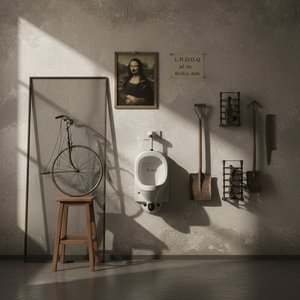
Marcel Duchamp: Challenging Conventions & Redefining Art in the 20th Century
Explore the revolutionary art of Marcel Duchamp! Discover how his Dadaist readymades challenged artistic conventions & redefined modern art. A deep dive into 'Fountain', conceptual shifts, and his lasting impact.

Bronze Age to Modern Masters: 10 Sculptures That Redefined Art | OriginalUniqueArt
Journey through art history with 10 legendary bronze sculptures – from Michelangelo's David to Rodin’s Thinker. Explore the stories, techniques & timeless beauty of these masterpieces. Find museum-quality reproductions & elevate your home decor on OriginalUniqueArt.com.

The Enduring Form: Sculpture Across History, Technique & Emotional Resonance
Explore the rich history of sculpture with OriginalUniqueArt. Discover key techniques, influential artists & investment potential for discerning collectors. Expert insights into valuing and collecting timeless masterpieces.

The Enduring Form: Exploring Themes & Techniques in Sculpture Across Historical Periods
Explore the rich history of sculpture from ancient masterpieces to contemporary innovations. Discover key techniques, influential artists & investment potential for discerning art collectors.


