

 실제 크기로 보기
 보내기
보내기 공유하기
공유하기
 상세 보기
상세 보기 가이드 보기

 이미지 다운로드
 유사 작품 더 보기
 X-레이
X-레이 슬라이드 쇼 보기
 통계 정보
통계 정보Chocolate Grinder No.2


 상세 보기
상세 보기
이 페이지에 표시된 작품은 저작권법의 보호를 받으며, 이에 따라 동일한 복제품을 제작하거나 판매하는 것은 법으로 금지되어 있습니다. 이러한 권리 보호는 다음과 같은 국제 협약에 따라 시행됩니다. 베른 협약 또한 다음에서 명시하는 법률을 포함한 국내법에 의해 보호됩니다. 미국 저작권법 제17조.
저희는 존중을 담은 합법적인 대안으로서, 원작에서 영감을 받은 맞춤형 수제 유화 작품을 제공합니다. 저희의 숙련된 전문 화가들은 원작의 스타일, 분위기, 예술적 정수를 면밀히 연구하여, 그 자체로 독창적인 창작물이면서도 원작과 동일한 감동을 불러일으키는 새로운 작품을 만들어냅니다.
이 방식은 저작권 보호를 받는 예술 작품을 복제하거나 그대로 재현하는 것이 아니기에 저작권 규정을 완벽히 준수합니다. 대신, 이는 창의적인 재해석의 과정을 거칩니다. 즉, 원작에서 영감을 받되 원작과 동일하지 않은 새로운 회화 작품을 의미합니다.
핸드메이드 유화 복제화
작가가 직접 캔버스에 손으로 그린 유화 작품으로, 원하는 크기와 액자로 맞춤 제작해 드립니다. ( 프린트 판매로 전환 디지털 이미지 판매 채널로 전환)




P118B ₩10

P118H ₩10

P118W ₩10

P438Z ₩10

P508JH ₩12

P508YH ₩12

P805H ₩10

P805Z ₩10

P919BZ ₩10

P919G ₩10

P919XJ ₩10

P959ZH ₩10

P968JZ ₩12

W106C ₩8

W218G ₩10

W218JH ₩8

W218Y ₩10

W307PJ ₩10

W316G ₩10

W316PJ ₩8

W316Y ₩10

W398PJ ₩8

W4111J ₩10

W500HY ₩15

W500JH ₩15

W692G ₩12

W849H ₩8

W940BG ₩15

W953PJ ₩8




작품의 원본 비율을 그대로 유지하는 프리셋 사이즈 중에서 선택해 보세요.

액자나 벽면 크기에 맞춰 필요한 가로와 세로 길이를 입력해 주세요. 본 작품은 수작업으로 제작되므로, 요청하신 비율에 따라 작가가 그림의 가장자리를 조금 더 넓게 그리거나 일부를 조정하여 작업할 수 있습니다. 작업 시작 전, 최종 확인을 위해 디지털 목업 이미지를 보내드립니다. 이 페이지에 표시된 이미지는 실제 결과물과 다를 수 있으며, 오직 목업 이미지만이 정확한 결과물을 보여줍니다.
주문 완료 후 OriginalUniqueArt.com 팀에서 상세 안내를 위해 고객님께 이메일을 보내드리며, 미리보기 시안을 함께 제공해 드립니다.


 유리 옵션은 110cm 미만 크기에서만 선택 가능합니다.

Chocolate Grinder No.2
재현 매체
복제본 규격
-


총 결제 금액
₩ 409430
A Radical Gesture of Everyday Art
Marcel Duchamp’s “Chocolate Grinder No.2,” created in 1914, stands as a cornerstone of Dada and Conceptual Art—a defiant challenge to the conventions of artistic expression that continues to resonate today. More than just a depiction of an ordinary object, it embodies Duchamp's profound interrogation of what constitutes art itself, marking him as one of the most influential figures in 20th-century visual culture.Conceptual Framework: Beyond Representation
Duchamp’s artistic trajectory was deeply intertwined with movements like Cubism and Dada, reflecting his restless intellectual curiosity and rejection of traditional aesthetic ideals. He famously declared that he wanted to “destroy art,” not by attacking its form but by questioning its very essence—a sentiment powerfully articulated in the artwork's conceptual underpinning. The piece utilizes the readymade concept – elevating a commonplace item like a chocolate grinder, mounted upside down on a wooden stool – into an artistic statement through deliberate selection and presentation. This act deliberately disrupts established hierarchies of value, prompting viewers to reconsider their assumptions about beauty and originality.Artistic Style and Technique: Geometric Precision Meets Industrial Aesthetic
The painting’s visual language is characterized by geometric forms—primarily circles—arranged in a meticulously planned composition that echoes the influence of Cubism's fragmentation of perspective. However, unlike Cubist explorations of spatial illusion, Duchamp prioritizes structural clarity and precision, mirroring the aesthetic sensibilities of industrial design. The subdued color palette contributes to an atmosphere of understated elegance, emphasizing the materiality of the canvas and thread used in its execution. As seen in other seminal works like “Transition of Virgin into a Bride_Le Passage de la Vierge à la Mariée,” Duchamp blends Cubist fragmentation with Expressionist emotional intensity—a stylistic fusion that creates a captivating visual experience.Historical Context: Dada’s Rebellion Against Tradition
“Chocolate Grinder No.2” emerged during the turbulent period of Dadaism, a movement born from disillusionment with the horrors of World War I and fueled by an uncompromising rejection of artistic conventions. Duchamp's embrace of chance and his appropriation of found objects—such as the urinal “Fountain”—were central to Dada’s ethos—a deliberate provocation aimed at dismantling accepted norms and questioning the role of art in society. The artwork’s placement within the Philadelphia Museum of Art underscores its significance as a pivotal moment in the evolution of modern art, inspiring subsequent movements like Pop Art and Minimalism.Legacy and Impact: An Enduring Influence
“Chocolate Grinder No.2” cemented Duchamp's reputation as an innovator—a figure who fundamentally altered the landscape of artistic thought. Its influence extends far beyond its immediate stylistic context, serving as a catalyst for debates about authorship, originality, and the definition of art itself. As noted in “The Greatest most famous Paintings of all time,” Duchamp’s pioneering approach continues to inspire artists today—demonstrating the enduring power of conceptual art to challenge perceptions and provoke critical reflection.질의응답
마르셀 뒤샹의 "Chocolate Grinder No.2"의 특징적인 기법과 화풍은 무엇인가요?
"Chocolate Grinder No.2"은(는) Acrylic On Canvas 기법을 사용하여 Conceptual Art 양식으로 제작되었습니다.
마르셀 뒤샹의 "Chocolate Grinder No.2"은 어떤 분위기와 감정을 전달하나요?
마르셀 뒤샹의 "Chocolate Grinder No.2"은(는) 전반적인 Industrial 분위기 속에서 Reflective한 느낌을 전달합니다.
마르셀 뒤샹의 "Chocolate Grinder No.2"은(는) 회화인가요, 드로잉인가요, 아니면 판화인가요?
카탈로그에서 마르셀 뒤샹의 "Chocolate Grinder No.2"은(는) WallArt로 분류되어 있습니다. 이 카테고리를 통해 유사한 작품들을 찾아보실 수 있습니다.
작가 소개
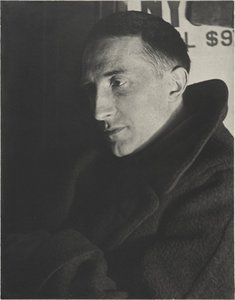
마르셀 뒤샹: 예술의 경계를 허문 선구자
마르셀 뒤샹, 1887년 프랑스 블랭빌에서 태어나 1968년 뉴욕에서 세상을 떠난 그는 단순한 화가가 아닌, 예술의 본질을 근본적으로 질문하고 현대 미술의 지형을 완전히 바꿔놓은 사상가이자 선구자였다. 뒤샹은 어린 시절부터 예술적 환경 속에서 성장하며 그림과 조각에 대한 재능을 보였지만, 전통적인 예술 교육을 거치면서도 끊임없이 기존의 틀을 벗어나려는 실험 정신을 불태웠다. 그는 단순히 세상을 묘사하는 것을 넘어, 우리가 세상을 인식하고 예술이라는 개념 자체를 정의하는 방식에 도전하고자 했다. 이러한 지적 호기심은 그의 전 생애에 걸쳐 펼쳐진 다채로운 작품 활동의 원동력이 되었다.입체주의에서 다다이즘으로: 관습과의 단절
뒤샹의 예술 여정은 끊임없는 진화와 변화로 점철되어 있다. 초기에는 입체주의의 영향을 받아 형태를 분해하고 다양한 시점을 탐구하는 작품들을 선보였지만, 곧 순수한 미적 가치에만 머무르는 것을 거부하며 더 깊이 있는 질문을 던지기 시작했다. 제1차 세계대전의 참혹함은 그의 예술적 혼란을 더욱 심화시켰고, 그는 기존의 논리와 이성, 그리고 전통적인 예술 가치를 부정하는 다다이즘에 몸을 담게 된다. 다다이즘 안에서 뒤샹은 예술의 의미를 해체하고 재정립하기 위한 과감한 시도를 감행했다. 아름다움을 추구하는 대신, 그는 생각과 논쟁을 불러일으키고 관습적인 판단 기준을 폭로하고자 했다.르디메이드와 예술의 전복
뒤샹이 남긴 가장 획기적인 유산은 바로 ‘르디매이드(ready-made)’라는 개념이다. 이는 일상적인 오브제를 약간의 변형 없이 그대로 작품으로 제시하는 기법으로, 기존의 예술적 숙련도와 창조성에 대한 통념을 완전히 뒤흔들었다. 1917년, 그는 변기를 가져다 놓고 ‘R. Mutt’라는 가명을 써서 ‘샘(Fountain)’이라는 제목으로 전시회에 출품했다. 이 사건은 예술의 정의를 둘러싼 격렬한 논쟁을 불러일으켰고, 예술가의 손기술이 아닌 아이디어가 작품의 가치를 결정한다는 개념을 확립하는 데 결정적인 역할을 했다. L.H.O.O.Q.(1919)는 모나리자의 초상화에 콧수염과 오리를 그린 단순한 콜라주이지만, 예술사의 상징을 해체하고 관습적인 미적 가치관에 도전하는 강력한 메시지를 담고 있다. 뒤샹은 예술이 눈으로 감상하는 것을 넘어, 정신으로 사유하는 활동이어야 한다고 믿었다.유산과 지속적인 영향력
마르셀 뒤샹의 작품은 현대 미술에 지대한 영향을 미쳤으며, 개념 미술, 미니멀리즘, 팝 아트 등 수많은 예술 운동의 토대가 되었다. 그의 아이디어 중심의 예술관은 오늘날까지도 수많은 예술가들에게 영감을 주고 있으며, 창작과 예술의 본질에 대한 끊임없는 질문을 던지고 있다. 입체주의, 다다이즘, 그리고 개념 미술 등 다양한 사조를 섭렵하며 그는 예술의 경계를 허물고 새로운 가능성을 제시했다. 뒤샹은 단순한 예술가가 아니라, 철학자이자 선동가였으며, 예술에 대한 우리의 고정관념을 깨뜨리고 끊임없이 질문하게 만드는 혁명가였다. 그의 작품은 예술이 무엇인가를 정의하는 것이 아니라, 그 의미를 끊임없이 재고하도록 촉구하며 현대 미술의 지평을 넓혔다. 특히 대 유리(The Large Glass)(1915-1923)는 복잡한 상징과 불가사의한 이미지로 뒤샹의 지적 깊이와 지속적인 영향력을 증명하는 작품으로 평가받는다. 뒤샹의 예술은 답을 제공하기보다는 질문을 던지는 방식으로, 오늘날까지도 우리를 사유하게 하고 영감을 불어넣고 있다.주요 작품
- 샘 (Fountain)
- L.H.O.O.Q.
- 대 유리 (The Large Glass)
- 보이테-앙-발리즈 (Boîte-en-valise)
마르셀 뒤샹
1887 - 1968 , 프랑스
작가 정보 요약
- 국적: 프랑스-미국 국적
- 영향을 받은 예술가/운동:
- 개념 미술
- 팝 아트
- 미니멀리즘
- 예술 운동/스타일:
- 입체주의
- 다다이즘
- 개념 미술
- 전체 이름: 마르셀 뒤샹
- 주요 작품:
- 퐁튀(Fountain)
- L.H.O.O.Q.
- 대형 유리 (The Large Glass)
- 보이트-앙-발리즈(Boîte-en-valise)
- 출생일: 1887년 7월 28일
관련 기사

Beyond Form & Color: Geometric Abstraction's Evolution in 20th/21st Century Art
Explore the evolution of geometric abstraction from Cubism to contemporary art. Discover key artists like Malevich & Mondrian, investment insights, and expert collecting advice at OriginalUniqueArt.

Neo-Abstract Art: The High-Impact Evolution of Modern Visual Energy and Geometric Sophistication
Discover the power of Neo-Abstract art. Explore how bold geometric forms and high-impact visual energy are redefining modern design. Learn to curate sophisticated, high-energy spaces with the latest trends in contemporary abstraction and structural color.

기하학적 추상 미술을 정의한 명작 10가지 | OriginalUniqueArt.com
몬드리안, 말레비치 등 거장들의 기하학적 추상 미술 명작 10선을 만나보세요. 각 작품의 예술사적 의미와 색채, 구성을 탐구하고 OriginalUniqueArt.com에서 고품질 아트 프린트를 소장하세요. 지금 바로 온라인 컬렉션을 확인하세요!
페르낭 레제 최고 걸작 25선: 현대 미술의 거장을 만나다 | OriginalUniqueArt
페르낭 레제의 최고 걸작 25선을 만나보세요. 큐비즘, 추상 미술의 거장이 그린 명작들의 탄생 비화와 예술적 의미를 탐구합니다. OriginalUniqueArt에서 고품질 아트 프린트와 인테리어 액자로 공간에 예술을 더하세요. 지금 바로 컬렉션을 확인하세요!
Beyond Form & Color: Geometric Abstraction's Enduring Legacy in Art History
Explore the captivating world of geometric abstraction! Discover its origins, key artists like Malevich & Mondrian, and why this movement remains highly valued by art collectors today. Expert insights at OriginalUniqueArt.


