

 미리보기
미리보기
 공유하기
공유하기 공유하기
공유하기
 상세 정보
상세 정보

 다운로드
다운로드
 유사 작품
유사 작품 X-레이
X-레이 슬라이드 쇼
 통계 정보
통계 정보Blue Horse I
 Acrylic On Canvas
- WallArt
- German Expressionism
 1911
1911- 19th Century
 85.0 x 112.0 cm
 Lenbachhaus
 더 보기
더 보기
지클레 / 아트 프린트
빠른 제작과 다양한 마감 옵션을 제공하는 박물관 품질의 지클레이 또는 캔버스 프린트. ( 손으로 그린 그림 구매 디지털 이미지로 전환)




P118B $10

P118H $10

P118W $10

P438Z $10

P508JH $12

P508YH $12

P805H $10

P805Z $10

P919BZ $10

P919G $10

P919XJ $10

P959ZH $10

P968JZ $12

W106C $8

W218G $10

W218JH $8

W218Y $10

W307PJ $10

W316G $10

W316PJ $8

W316Y $10

W398PJ $8

W4111J $10

W500HY $15

W500JH $15

W692G $12

W849H $8

W940BG $15

W953PJ $8




작품의 원본 비율을 유지하는 미리 설정된 크기 중에서 선택하세요.

특정 프레임이나 공간에 맞춰 직접 치수를 입력하실 수 있습니다. 선택하신 사이즈가 원본 이미지의 비율과 일치하지 않을 경우, 작품을 크롭(자르기)하거나 이미지를 대칭 또는 단색 채우기로 확장하여 제작합니다. 제작 시작 전, 최종 확인을 위해 디지털 목업이 전송됩니다.
화면상의 미리보기는 실제 크롭이나 확장 상태를 반영하지 않으므로, 최종 구도는 오직 목업을 통해서만 정확하게 확인하실 수 있습니다.
맞춤 사이즈 제작도 가능하지만, 원본 비율을 유지하기 위해서는 사전 정의된 목록에서 치수를 선택하시는 것을 권장합니다.


 유리 옵션은 110cm 미만 크기에서만 선택 가능합니다.

Blue Horse I
지클레 / 아트 프린트
복제본 크기
-


최종 결제 금액
$ 80
A Moment of Contemplation: Blue Horse I by Franz Marc
Franz Marc’s “Blue Horse I,” painted in 1911, is more than just a depiction of an equine subject; it's a profound meditation on the relationship between humanity and nature, rendered with a startling intensity that defines the heart of German Expressionism. Measuring 85 x 112 cm, this work immediately draws the viewer into its world of saturated blues and yellows, colors deliberately chosen to evoke emotion rather than simply represent reality. The painting’s power resides in its ability to capture a fleeting moment – the horse's lowered head, seemingly lost in thought, against the backdrop of a gently rolling hillside. It is a scene imbued with a quiet melancholy, a feeling that resonates deeply within the viewer.
The Expressionist Vision
Born in Munich in 1880, Franz Marc was a pivotal figure in the burgeoning movement of German Expressionism. Rejecting the objective realism favored by earlier artistic traditions, Marc and his fellow artists sought to express inner emotions and subjective experiences through bold colors and distorted forms. “Blue Horse I” exemplifies this approach perfectly. Marc’s use of color isn't accidental; it’s a deliberate strategy to bypass rational thought and tap directly into the viewer’s emotional core. The dominant blue, often associated with spirituality and introspection, is juxtaposed with the vibrant yellows, representing energy and vitality – a dynamic tension that fuels the painting’s impact.
Symbolic Animal Imagery
Marc's artistic practice was deeply rooted in symbolism. Animals, particularly horses, held significant meaning for him, often representing spiritual forces or primal instincts. In “Blue Horse I,” the horse is not merely a subject; it embodies a deeper philosophical concept – perhaps a yearning for connection with the natural world, or a reflection of humanity’s own vulnerability and solitude. The presence of the solitary figure observing the horse further amplifies this symbolism, suggesting a human longing for understanding and communion with the animal kingdom. The inclusion of the potted plant adds another layer to the composition, representing life and growth within the otherwise stark landscape.
Technique and Historical Context
Executed in 1911, “Blue Horse I” showcases Marc’s mastery of oil paint. His brushwork is loose and expressive, contributing to the painting's emotional intensity. The application of color is thick and textured, creating a palpable sense of depth and movement. This work emerged during a period of immense artistic experimentation in Germany, as artists wrestled with the anxieties and uncertainties of the early 20th century. Marc’s focus on subjective experience and his exploration of spiritual themes anticipated many of the concerns that would dominate art in the decades to come. Marc's tragically short life – he died in 1916 during World War I – adds a poignant layer to the work, intensifying its emotional resonance.
작가 약력
Franz Marc: A Life Dedicated to Expression
Franz Moritz Wilhelm Marc (February 8, 1880 – March 4, 1916) was a pivotal figure in early 20th-century art, renowned as one of the key exponents of German Expressionism. His unique artistic vision, characterized by vibrant colors and symbolic animal depictions, continues to resonate with audiences today.
Early Life and Artistic Beginnings
Born in Munich, Germany, Marc initially pursued theological studies before dedicating himself to painting in 1900 at the Royal Bavarian Academy of Fine Arts. Early influences included his father, a landscape painter, and subsequent travels to France where he studied Old Masters and contemporary art. These experiences laid the foundation for his artistic journey.
Influences and Artistic Development
Marc’s style evolved through exposure to various movements and artists. Vincent van Gogh profoundly impacted his use of color, while encounters with artists like Robert Delaunay introduced him to Cubism and abstraction. He sought a spiritual dimension in art, believing that colors possessed inherent emotional and symbolic value.
The Blue Rider (Der Blaue Reiter)
In 1911, Marc co-founded Der Blaue Reiter (“The Blue Rider”) with Wassily Kandinsky. This group wasn’t defined by a single style but rather a shared belief in the spiritual power of art and its ability to express inner emotions. The journal *Der Blaue Reiter* became a platform for disseminating their ideas, showcasing works that moved beyond representational accuracy.
Key Themes and Artistic Style
Marc’s mature work is instantly recognizable for its focus on animals – horses, deer, cows, and foxes – rendered in bold, non-naturalistic colors. He didn't simply depict animals; he imbued them with symbolic meaning, often associating specific colors with particular emotions or spiritual states.
- Blue: Represented spirituality and masculinity
- Yellow: Symbolized femininity and joy
- Red: Associated with violence and passion
Notable Works
Marc created a remarkable body of work in his short career. Some of his most celebrated paintings include:
- Blue Horse I (1911) – A masterpiece showcasing his signature style and color symbolism.
- The Little Blue Horses (1914) – Demonstrates his ability to capture the essence of animals through expressive forms.
- Cattle (also known as Picture with Cattle) (1913) - A vibrant depiction of rural life and animal harmony.
- The Tower of Blue Horses (1913) – Sadly lost during WWII, this painting exemplified his spiritual approach to animal representation.
World War I and Tragic End
With the outbreak of World War I in 1914, Marc was drafted into the German army despite his pacifist beliefs. He served as a cavalryman and even applied his artistic skills to designing camouflage netting. Tragically, he was killed in action at the Battle of Verdun on March 4, 1916, at the age of 36.
Legacy and Historical Significance
Despite his untimely death, Franz Marc left an indelible mark on modern art. His contributions to German Expressionism, particularly through Der Blaue Reiter, helped pave the way for abstract art and a deeper exploration of spirituality in artistic expression. His work continues to inspire artists and captivate audiences with its emotional intensity and unique visual language.
Marc’s paintings are now held in prominent museums worldwide, including the Lenbachhaus in Munich and the Staatsgalerie Stuttgart, ensuring his legacy endures for generations to come.

marc franz moritz wilhelm
1880 - 1916 , Germany
주요 정보
- Birth Date: February 8, 1880
- Birth Place: Munich, Germany
- Death Date: March 4, 1916
- Influenced By: Vincent van Gogh
- Movement: German Expressionism, Der Blaue Reiter
- Name: Franz Marc
- Nationality: German
- Notable Works:
- Blue Horse I
- The Little Blue Horses
- Cattle (Picture with Cattle)
관련 기사 더 보기
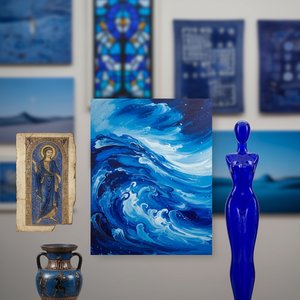
The Allure of Azure: Exploring the Symbolic & Aesthetic Depths of Blue in Art History
Explore the rich history of blue in art! Discover its symbolism, from ancient pigments to modern masterpieces by Kandinsky & Seurat. Uncover the psychological impact and cultural meanings behind this captivating hue.

Unmasking Emotion: A Journey Through the Raw Power and Visceral Beauty of German Expressionism
Explore the raw emotional power of German Expressionism. From Kirchner to Die Brücke, discover how artists used distortion and vibrant color to unmask the human psyche. A deep dive into art history for the discerning collector and enthusiast.

Franz Marc: Expressionism, Spirituality & the Animal Symbolism of a Modern Master
Explore the profound world of Franz Marc's Expressionist paintings. Discover his spiritual connection to animals, innovative use of color, and lasting impact on modern art history. Learn more at OriginalUniqueArt.

German Expressionism's 10 Defining Masterpieces | Art for Your Home
Explore 10 defining German Expressionism masterpieces – from Munch's 'The Scream' to Kandinsky’s abstracts. Discover the artists, stories & bold colors behind this powerful art movement. Find museum-quality reproductions at OriginalUniqueArt.com.

Slate Blue Masterpieces: 10 Iconic Paintings & Timeless Home Decor Ideas
Immerse yourself in the captivating world of slate blue! Explore 10 iconic paintings by Monet, Van Gogh & Renoir. Discover their stories, techniques & find museum-quality art reproductions for your home at .