
 미리보기
미리보기
 공유하기
공유하기 공유하기
공유하기
 상세 정보
상세 정보

 다운로드
다운로드
 유사 작품
유사 작품 X-레이
X-레이 슬라이드 쇼
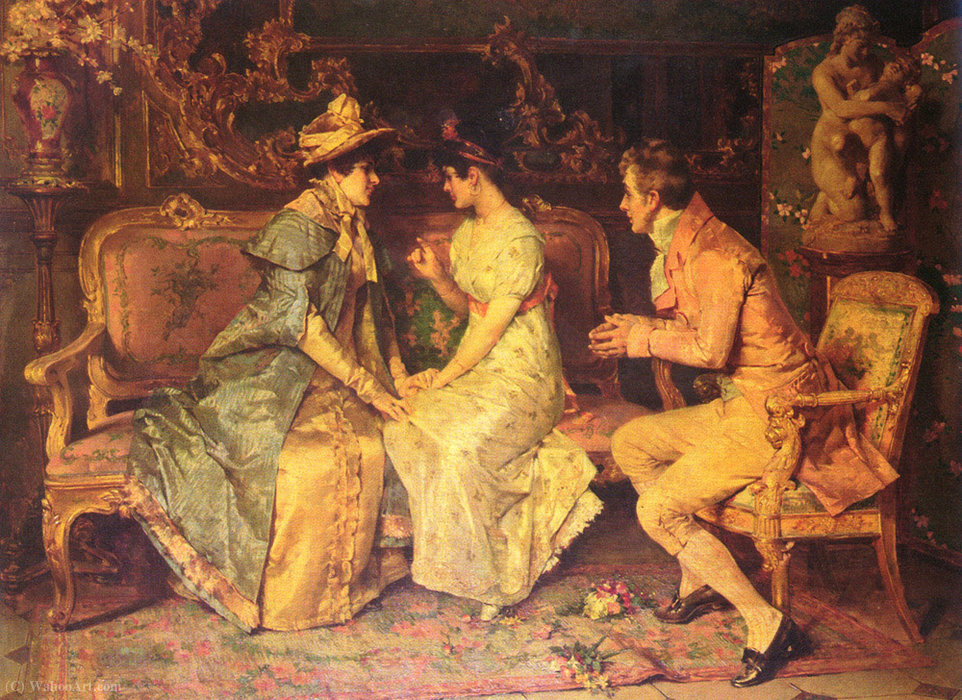
The suitor
 더 보기
더 보기
온라인 미리보기보다 훨씬 뛰어난 품질의 고해상도 디지털 이미지를 구매해 보세요.
각 파일은 사내 전문가가 고급 도구와 숙련된 수동 리터칭 기술을 사용하여 세심하게 준비합니다. 우리는 모든 이미지가 탁월한 선명도, 정확한 색상 재현력, 그리고 미세한 디테일까지 완벽하게 갖추도록 보장합니다.
최종 파일은 전문적인 편집 및 인쇄 환경에서 즉시 사용할 수 있도록 최적화되어 72시간 이내에 이메일로 발송됩니다. 이는 세계적인 디자인 스튜디오, 출판사 및 갤러리가 신뢰하는 것과 동일한 품질입니다.
디지털 이미지
개인 소장 및 전시, 인쇄, 창작 프로젝트를 위한 고해상도 파일을 다운로드하세요. ( 프린트 구매 손으로 그린 그림 구매)
모든 디지털 이미지 주문에 포함된 혜택
전문적인 디지털 이미지 전송 보장
OriginalUniqueArt.com를 선택하시면 단순히 이미지를 받는 것을 넘어, 정밀한 보정 과정을 거친 전문적인 디지털 예술 작품을 만나보실 수 있습니다. 모든 작품에는 만족 보장 서비스가 함께 제공되며, 주문 시 다음과 같은 사항들이 자동으로 포함됩니다:

빠른 이메일 전송
주문 후 72시간 이내에 고해상도 디지털 이미지 파일이 이메일로 발송되며, 즉시 사용하실 수 있습니다.

AI 기술로 향상된 디지털 파일
귀하의 작품은 고급 AI 도구와 수동 편집 과정을 거쳐 전문적으로 최적화되며, 이를 통해 디테일과 선명도, 색상의 정확도를 극대화합니다.

평생 무료 재전송 서비스
파일을 실수로 삭제하거나 분실하셨나요? 걱정 마세요. 언제든 무료로 다시 보내드립니다.

추가 수입 비용 없음 - 언제나
관세나 부가세, 배송비 부담 없이 작품을 즉시 감상하세요 - 디지털 다운로드는 언제나 면세 혜택이 적용됩니다.

정확한 색상 보장
전문적인 도구와 색상 관리 시스템을 통해 디지털 이미지가 원본의 색상을 최대한 정확하게 구현하도록 보장합니다.

60일 만족 보장제
구매하신 디지털 이미지에 만족하지 못하실 경우, 60일 이내에 수정 또는 100% 환불을 진행해 드립니다 - 어떠한 문의도 필요 없습니다.

100% 환불 보장
만족하지 못하셨나요? 디지털 파일을 수령하신 후 60일 이내라면 별도의 이유를 밝힐 필요 없이 전액 환불해 드립니다.

대량 주문 할인
이미지 3매 구매 시 10% 할인 - 5매 구매 시 15% 할인 - 10매 이상 구매 시 20% 할인. 크리에이티브 프로젝트, 갤러리, 에이전시에 매우 유용합니다.
작가 소개
Luis Álvarez Catalá (1836 - 1901): A Painter of Northern Spain’s Soul
Luis Álvarez Catalá (born January 22, 1836 – died October 4, 1901) was a Spanish painter renowned for his depictions of rural life and historical scenes rooted in the traditions of Asturias and León. He achieved considerable acclaim during his lifetime as Director of the Museo del Prado from 1898 to 1901, cementing his legacy as a pivotal figure in late nineteenth-century Spanish art.Early Life and Artistic Formation
Catalá’s origins lay in Helmo, Asturias, where he spent formative summers amidst the landscapes that would profoundly inspire his artistic vision. His family's heritage instilled in him a deep connection to the region’s cultural identity—a connection that would permeate throughout his oeuvre. Following primary education in Oviedo, he pursued formal artistic training at the Escuela Especial de Pintura, Escultura y Grabado and subsequently enrolled at the Real Academia de Bellas Artes de San Fernando in Madrid, under the tutelage of Federico de Madrazo. This influential mentorship shaped his technique and aesthetic sensibilities, establishing him firmly within the academic tradition prevalent during his era.Rome and Artistic Breakthrough
In 1857, Catalá embarked on a transformative journey to Rome—a pilgrimage for aspiring artists seeking inspiration and honing their craft amidst Europe’s artistic epicenter. Alongside Eduardo Rosales and Vicente Palmaroli, he benefited from a generous scholarship, allowing him to immerse himself in the Roman artistic milieu. The experience proved decisive, culminating in the prestigious Gold Medal awarded at the First National Exposition of Florence for his painting “Calpurnia’s Dream,” which secured second place at the National Exhibition of Fine Arts in Spain in 1862. This accomplishment signaled a burgeoning talent and established him as one of Spain's most promising painters.Style and Technique: Costumbrismo and Detail
Catalá’s artistic style distinguished itself through its meticulous observation of everyday life—a characteristic known as costumbrismo. He captured the essence of rural Asturias and León with remarkable precision, portraying scenes imbued with vibrant colors and intricate details that conveyed a palpable sense of authenticity. His canvases weren't merely representations; they were windows into specific cultural contexts, reflecting the customs, traditions, and social realities of his time. This dedication to realism—combined with masterful brushwork—became a hallmark of his artistic practice.Directorate at the Museo del Prado and Legacy
Catalá’s appointment as Director of the Museo del Prado in 1898 marked a significant moment in Spanish art history. During his tenure, he championed ambitious acquisitions aimed at enriching the museum's collection—most notably securing several works by Francisco Goya, furthering the Prado’s reputation as a repository of artistic excellence. He oversaw the installation of Aniceto Marinas’ statue of Velázquez and spearheaded the publication of *Catálogo ilustrado de la sala de Velázquez*, meticulously documenting the museum’s celebrated Velázquez Gallery. His unwavering commitment to preserving and promoting Spanish art ensured that his influence would endure beyond his lifetime, securing his place as a pivotal figure in the Prado's history and cementing his contribution to the broader artistic landscape of Spain.Notable Works
* “The Filandón”: A captivating portrayal of a traditional evening gathering in León and Asturias, embodying Catalá’s masterful depiction of rural life. * “Calpurnia’s Dream”: Recognized for its second place at the National Exhibition of Fine Arts in Spain in 1862, showcasing his exceptional skill in capturing emotion and narrative within a historical context.
luis alvarez catala
1836 - 1901
주요 정보
- Artistic Movement Or Style: Costumbrista
- Artists Or Movements Influenced By This Artist: ['Diego Velázquez']
- Artists Who Influenced This Artist: ['Federico de Madrazo']
- Date Of Birth: January 22, 1836
- Date Of Death: October 4, 1901
- Full Name: Luis Álvarez Catalá
- Nationality: Spanish
- Notable Artworks:
- The Filandón
- The Suitor
- Calpurnia's Dream
- Place Of Birth: Madrid, Spain

