- 홈

- 유화 복제화
- luigi prinotto
- 스크리바니아

 프린트 구매하기
 공유하기
공유하기 공유하기
공유하기
 상세 정보
상세 정보

 다운로드
다운로드
 유사 작품
유사 작품 X-레이
X-레이 슬라이드 쇼
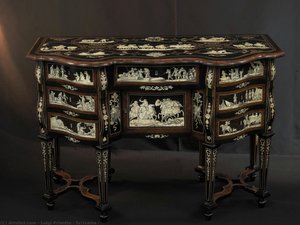
스크리바니아
 캔버스에 아크릴 물감
- 월아트
- Baroque
 1730
1730 131.0 x 83.0 cm
 베네리아 궁전
 더 보기
더 보기




P118B $10

P118H $10

P118W $10

P438Z $10

P508JH $12

P508YH $12

P805H $10

P805Z $10

P919BZ $10

P919G $10

P919XJ $10

P959ZH $10

P968JZ $12

W106C $8

W218G $10

W218JH $8

W218Y $10

W307PJ $10

W316G $10

W316PJ $8

W316Y $10

W398PJ $8

W4111J $10

W500HY $15

W500JH $15

W692G $12

W849H $8

W940BG $15

W953PJ $8




작품의 원본 비율을 유지하는 미리 설정된 크기 중에서 선택하세요.

특정 프레임이나 공간에 맞도록 직접 크기를 입력할 수 있습니다. 선택하신 크기가 원본 이미지의 비율과 일치하지 않는 경우, 작품을 자르거나 추가적인 손으로 그린 요소를 사용하여 그림을 확장합니다. 제작 시작 전 승인을 위해 디지털 목업을 보내드립니다.
화면 미리 보기는 실제 자르기 또는 확장을 반영하지 않습니다. 최종 구성은 목업을 통해서만 정확하게 확인하실 수 있습니다.
맞춤 크기 제작도 가능하지만, 원본 비율을 유지하기 위해 사전 정의된 목록에서 크기를 선택하시는 것을 권장합니다.
주문 후 OriginalUniqueArt.com 팀에서 상세 안내를 위해 고객님께 이메일을 보내드리며, 미리보기 시안을 제공해 드립니다.


 유리 옵션은 110cm 미만 크기에서만 선택 가능합니다.

스크리바니아
재현 기법
복제본 크기
-


최종 결제 금액
-
작품 상세 설명
루이지 프린노의 스크리바니아: 빛과 신앙으로 그려진 역사적 명작
프랑스 바로크 미술가 루이지 프린노의 작품 “스크리바니아”는 단순한 사무용 가구가 아닌, 깊은 의미와 아름다움을 담고 있는 예술입니다. 이 그림은 1730년 로마에서 제작되었으며, 프랑스 국교인 산 루이지 드 프랑세스 교회를 위해 기증된 작품으로 그의 삶과 신앙심을 반영합니다. 프린노는 어린 시절에 Simon Vouet에게 그림 기술을 배우며 Mannerist 화가의 영향을 받았습니다. 특히 Vouet의 빛과 그림자 사용법은 프린노에게 지대한 영감을 주었고, 그는 이 기법을 로마에서 경험하며 더욱 발전시켜 나갔습니다.- 작품의 주제는 바로크 시대의 지식인 사회를 반영합니다. 스크리바니아는 책상과 서랍으로 구성된 공간이며, 그 위에 놓인 캐비닛은 지식과 학문을 상징합니다. 그림 속 인물들은 다양한 활동에 종사하며 활기찬 분위기를 연출하고 있습니다.
- 프린노의 작품 스타일은 로마 바로크 화가들의 영향을 받아 정교하고 섬세한 표현이 특징입니다. 그는 특히 Jacopo Bassano와 같은 거장들의 작품을 모방하여 빛과 그림자를 활용하는 기법을 숙달했습니다.
- 그림 속 엘리프ант은 동서양 문화의 조화를 상징하며, 또한 지혜와 풍요를 의미합니다. 프린노는 이 동물 형상을 통해 인간의 삶에 대한 깊은 성찰을 표현하고 있습니다.
작가 약력
Claude François (Frère Luc): A Life Painted in Faith and Light
Claude François, more intimately known as Frère Luc – a name bestowed upon him after his dedication to the Recollets order – stands as a compelling figure within 17th-century French art. Born in Amiens around 1614, his early life was marked by a fascination with drawing and an apprenticeship under Simon Vouet, a prominent Mannerist painter in Paris. This initial training provided him with a solid foundation, but it was his subsequent journey to Rome that truly shaped his artistic vision. There, amidst the echoes of the Old Masters, he honed his skills, meticulously copying works by giants like Jacopo Bassano and absorbing their techniques – particularly the masterful use of light and shadow. A pivotal moment in his life occurred during a youthful fall from a church tower; this event, recounted with dramatic detail, became intertwined with a promise to dedicate his life to religious service, solidifying his path towards monasticism.The Recollets and a Journey to New France
In 1670, Claude François embraced the Recoletos (Recollets) order in Châlons-en-Champagne, adopting the moniker Frère Luc. This transition marked a significant shift in his artistic focus, moving away from purely secular commissions and towards devotional works intended to inspire faith. His time within the monastery was not merely one of quiet contemplation; he actively contributed to the embellishment of sacred spaces, notably designing the reconstruction of Quebec’s monastery and seminary – a testament to his practical skills and dedication. However, his artistic spirit extended beyond France's borders, leading him to New France (Canada) in 1670. During his fifteen-month sojourn, Frère Luc produced a series of monumental religious paintings, most notably *La Sainte Famille à la Huronne* (The Holy Family with a Huron Woman), which remains a significant work reflecting the complexities and nuances of early colonial encounters. These canvases served as powerful visual narratives for the burgeoning Catholic community in Quebec City, bridging European artistic traditions with Indigenous perspectives.Style and Influences: A Harmonious Blend
Frère Luc’s artistic style is characterized by a remarkable synthesis of influences – a harmonious blend of Mannerism, Raphael's grace, and the dramatic lighting techniques of Italian masters. His early works, particularly those produced in Rome, demonstrate a clear admiration for Raphael, mirroring his compositional clarity, balanced forms, and refined elegance. However, he wasn’t merely a copyist; he infused these influences with a distinctly French sensibility, employing a softer palette and a more intimate portrayal of figures. The impact of Flemish genre painting, particularly the work of Adriaen Brouwer, is also evident in his depictions of peasant life – scenes rendered with a keen eye for detail, capturing both the humor and the hardship of everyday existence. Furthermore, elements of Caravaggio’s dramatic chiaroscuro are subtly integrated into his compositions, creating a sense of depth and emotional intensity.Notable Works and Legacy
Among Frère Luc's most celebrated works are *L'Assomption de la Vierge* (The Assumption of the Virgin), created at a remarkably young age in Amiens, and his series of paintings for the Jacobin church – including a copy of Bassano’s *Assumption*. His portrait of Saint Augustine presenting a dead child to the Madonna and Child, with a canvas showing his fall into the Somme behind the Virgin, is a poignant example of his ability to imbue religious subjects with personal narrative. His contributions to Quebec City's artistic landscape were particularly significant, establishing a precedent for large-scale devotional paintings that would shape the visual identity of the nascent colony. While often overshadowed by more prominent figures of the era, Claude François (Frère Luc) remains a vital figure in French art history – an artist who seamlessly combined religious devotion with technical mastery and a profound understanding of human experience.Connections to Other Artists
Frère Luc’s artistic journey reveals intriguing connections to other prominent figures of the 17th century. His early training under Simon Vouet, a key figure in the development of French portraiture, laid the groundwork for his subsequent career. The influence of Domenichino, Raphael's student, is also apparent in his meticulous attention to detail and compositional balance. Furthermore, his time in Rome exposed him to the works of Jacopo Bassano, whose dramatic use of light and color profoundly impacted his own style. The echoes of Adriaen Brouwer’s genre paintings are particularly noticeable in his depictions of peasant life, suggesting a shared interest in capturing the realities of everyday existence. Finally, his work with Jean-Marc Nattier during the later years of his career demonstrates a continued engagement with portraiture and a mastery of fashionable artistic trends.
luigi prinotto
1685 - 1780 , Italy
주요 정보
- Artistic Movement Or Style: Baroque
- Artists Or Movements Influenced By This Artist:
- Jacopo Bassano
- Jean-Marc Nattier
- Artists Who Influenced This Artist:
- Simon Vouet
- Raphael
- Date Of Birth: 1614
- Date Of Death: 1685
- Full Name: Claude François (Frère Luc)
- Nationality: French
- Notable Artworks:
- Assumption of the Virgin
- Saint Augustine's Vision
- Place Of Birth: Amiens, France
관련 기사 더 보기
뉴욕 메트로폴리탄 미술관 최고 걸작 25선: 예술의 정수를 만나다 | OriginalUniqueArt
뉴욕 메트로폴리탄 미술관 최고 걸작 25선을 만나보세요. 반 고흐, 모네 등 거장들의 숨겨진 이야기와 예술의 정수를 감상하세요. 홈 데코를 위한 명화 복제 작품은 OriginalUniqueArt에서! 지금 바로 컬렉션을 탐험하세요.
디트로이트 미술관 최고 명작 25선: 예술의 감동과 인테리어 영감
디트로이트 미술관 최고 명작 25선을 만나보세요. 반 고흐, 모네 등 거장들의 숨겨진 이야기와 예술의 감동을 느껴보세요. OriginalUniqueArt.com에서 박물관 품질의 작품 복제 및 인테리어 영감을 얻으세요! 지금 바로 컬렉션을 탐험하세요.
뉴욕 MoMA 명작 25선: 예술의 영혼을 담은 컬렉션 | OriginalUniqueArt
뉴욕 MoMA 명작 25선을 만나보세요. 반 고흐, 피카소, 워홀 등 거장들의 예술 세계와 숨겨진 이야기를 담았습니다. 인상주의부터 추상 표현주의까지, OriginalUniqueArt에서 미술 작품을 감상하고 홈 데코에 영감을 불어넣으세요. 지금 바로 컬렉션을 탐험하세요!
워싱턴 내셔널 갤러리 명작 25선: 예술의 정수를 담은 컬렉션 | OriginalUniqueArt
워싱턴 내셔널 갤러리의 숨겨진 명작 25점을 만나보세요. 모네, 세잔, 피카소 등 거장들의 예술 세계와 감동적인 스토리를 OriginalUniqueArt에서 경험하세요. 고품질 아트 프린트 & 인테리어 디자인 영감을 얻고, 당신의 공간에 예술을 더하세요! 지금 바로 OriginalUniqueArt.com에서 컬렉션을 탐험하세요.

제임스 애벗 맥닐 휘슬러 최고 걸작 25선: 예술의 정수, 공간에 스며드는 아름다움
제임스 애벗 맥닐 휘슬러의 최고 걸작 25선을 만나보세요. 야간 풍경부터 아랑미술관 소장품까지, 예술가의 삶과 작품 세계를 탐험합니다. 색채와 분위기가 완벽한 조화를 이루는 그림들을 OriginalUniqueArt.com에서 감상하고 특별한 공간을 완성하세요.