
 미리보기
미리보기
 공유하기
공유하기 공유하기
공유하기
 상세 정보
상세 정보 가이드 보기

 다운로드
다운로드
 유사 작품 더 보기
 X-레이
X-레이 슬라이드 쇼 보기
 질의응답
질의응답 통계 정보
통계 정보Conversation Booklet

- 16.0 x 9.0 cm


 더 보기
더 보기
지클레 / 아트 프린트
빠른 제작과 다양한 마감 옵션을 제공하는 박물관 수준의 지클레이 및 캔버스 프린트. ( 수작업 채색 복제본 주문하기 디지털 이미지로 전환)




P118B ₩10

P118H ₩10

P118W ₩10

P438Z ₩10

P508JH ₩12

P508YH ₩12

P805H ₩10

P805Z ₩10

P919BZ ₩10

P919G ₩10

P919XJ ₩10

P959ZH ₩10

P968JZ ₩12

W106C ₩8

W218G ₩10

W218JH ₩8

W218Y ₩10

W307PJ ₩10

W316G ₩10

W316PJ ₩8

W316Y ₩10

W398PJ ₩8

W4111J ₩10

W500HY ₩15

W500JH ₩15

W692G ₩12

W849H ₩8

W940BG ₩15

W953PJ ₩8




작품의 원본 비율을 그대로 유지하는 프리셋 사이즈 중에서 선택해 보세요.

액자나 벽면 크기에 맞춰 필요한 가로와 세로 길이를 입력해 주세요. 프린트는 원본 이미지보다 크게 제작할 수 없으며 오직 자르는 것만 가능하므로, 비율이 다른 사이즈를 선택할 경우 이미지의 일부가 잘려 나갈 수 있습니다. 인쇄 작업에 들어가기 전, 최종 확인을 위해 디지털 목업을 보내드립니다. 이 페이지에 표시된 이미지는 실제 잘리는 영역을 나타내지 않으며, 오직 목업을 통해서만 정확한 확인이 가능합니다.


 유리 옵션은 110cm 미만 크기에서만 선택 가능합니다.

Conversation Booklet
지클레 / 아트 프린트
복제본 크기
-


최종 결제 금액
₩ 108619
The Intimate Echoes of a Genius
Before us lies more than just a collection of handwritten notes; it is a tangible fragment of Ludwig van Beethoven's world, meticulously preserved within the pages of his “Conversation Booklet.” Dating back to 1818, this remarkable document offers an unprecedented glimpse into the mind and daily life of one of history’s most transformative composers. It wasn’t intended for public consumption—rather, it served as a private journal, a space where Beethoven wrestled with ideas, managed practical affairs, and, perhaps most profoundly, communicated with those closest to him. The booklet's unassuming appearance belies the wealth of information contained within its aged pages, revealing a complex individual grappling with both artistic brilliance and the challenges of deafness.
The physical object itself is strikingly intimate – a small, leather-bound book filled with cramped, cursive handwriting in ink that has faded over centuries. The paper, bearing the marks of time—stains, creases, and slight discoloration— speaks to its history, suggesting countless readings and revisions. It’s not a formal composition or a polished manuscript; it's a record of everyday life, a testament to Beethoven’s relentless curiosity and his need to organize his thoughts and actions. The very texture of the paper invites us to touch, to feel the weight of history held within its fibers.
Decoding the Script: A Symphony of Detail
The handwriting itself is a key element in understanding this remarkable artifact. It’s not elegant or flowing; it's practical and direct, reflecting Beethoven’s personality—a man known for his intensity and unwavering focus. The notes are densely packed, filled with abbreviations, reminders, and seemingly random observations. We find references to purchases – sugar, spice, wine – alongside musical sketches, appointments, and even a lament about the difficulty of finding suitable shoes. These mundane details, juxtaposed with fragments of musical ideas, paint a vivid portrait of a man constantly balancing his artistic pursuits with the demands of daily life.
- Shopping Lists: Revealing Beethoven’s practical concerns and meticulous nature.
- Musical Fragments: Brief notations of melodies and harmonic progressions, hinting at the composer's creative process.
- Personal Correspondence: Snippets of conversations with friends and colleagues, offering insights into his social life.
- Administrative Notes: Details about financial matters, legal disputes, and arrangements for performances.
The booklet’s contents are not simply a collection of random notes; they form a cohesive narrative—a window into Beethoven's inner world. It is a testament to his relentless pursuit of knowledge, his unwavering dedication to his craft, and his profound humanity.
Symbolism and the Burden of Silence
The “Conversation Booklet” transcends its function as a mere record-keeping device; it’s imbued with potent symbolism. The act of writing itself represents communication—a vital lifeline for Beethoven as his hearing deteriorated. Each note, each abbreviation, is an attempt to bridge the gap between himself and the outside world. The very fact that he meticulously documented these conversations speaks volumes about his desire to remain connected, engaged, and informed.
Furthermore, the booklet serves as a poignant reminder of the isolating experience of deafness. The cramped handwriting, the dense notations—all suggest a man struggling to make himself heard, both literally and figuratively. It’s a powerful symbol of resilience, creativity, and the enduring human spirit in the face of adversity. The book becomes a visual representation of Beethoven's internal struggle – his genius battling against the encroaching silence.
A Reproduction for Reflection
Reproductions of this extraordinary document offer a unique opportunity to connect with one of history’s greatest composers on a deeply personal level. The meticulous detail captured in each page invites contemplation, encouraging viewers to consider Beethoven's life, his struggles, and the profound impact of his music. A high-quality reproduction allows us to appreciate not only the aesthetic beauty of the original but also the rich historical context that surrounds it. It’s a piece that can enrich any interior space, serving as a constant reminder of the power of human creativity and the enduring legacy of Ludwig van Beethoven.
질의응답
"Conversation Booklet"은(는) 루트비히 판 베토벤의 작품 세계와 화풍을 어떻게 반영하고 있나요?
"Conversation Booklet"은(는) 루트비히 판 베토벤의 다른 작품들과 마찬가지로 Documentary Photography 양식과 더불어 작가의 반복되는 주제인 beethoven’s personal communication, documenting musical ideas, thoughts, reflecting deafness, isolation”, “early sketches missa solemnis”, insight into creative process”를 공유합니다.
"Conversation Booklet"이(가) 루트비히 판 베토벤의 가장 인기 있는 작품 중 하나인가요?
루트비히 판 베토벤의 "Conversation Booklet"의 기록된 인기도는 Iconic입니다.
루트비히 판 베토벤의 "Conversation Booklet"은 어떤 미술 사조와 시대에 속하나요?
루트비히 판 베토벤의 "Conversation Booklet"은(는) 작가의 19세기 미술 시대 중 Documentary Photography 사조에 속합니다.
작가 정보
초기 생애와 음악적 여정의 시작
루드비히 판 베토벤은 독일의 저명한 작곡가이자 피아니스트로, 1770년 독일 본에서 태어났습니다. 어린 시절부터 천부적인 음악적 재능을 드러낸 그는 여러 스승 아래서 음악 공부를 시작했으며, 이후 그의 인생 대부분을 보내게 될 빈으로 이주하게 됩니다.음악적 혁신과 청각 장애의 시련
경력의 상당 기간 동안 청각 장애라는 거대한 시련을 겪었음에도 불구하고, 베토벤은 교향곡 9번과 월광 소나타를 포함하여 클래식 음악 역사상 가장 상징적인 작품들을 끊임없이 작곡해 나갔습니다. 그의 혁신적인 작곡 기법은 성악과 기악을 결합하여 독창적인 사운드를 창조해냈으며, 이는 수 세기에 걸쳐 수많은 음악가에게 깊은 영감을 주었습니다.주요 작품과 예술적 유산
베토벤의 눈부신 업적을 보여주는 주요 작품들은 다음과 같습니다:- 피아노와 첼로를 위한 소나타 (A장조) Op. 69, 1악장 ( OriginalUniqueArt.com에서 감상 가능)
- 베토벤의 미사 솔렘니스(Missa Solemnis) 자필 악보 ( 위키백과에서 확인 가능)
- 리히노프스키 공작 카를 알로이스의 후원을 받은 3개의 작품번호 1 피아노 소나타
음악사에 남긴 영향과 명성
베토벤의 가장 위대한 성취는 이전까지 성악곡보다 열등하다고 여겨졌던 기악 음악을 예술의 최고 경지로 끌어올린 것입니다. 클래식 음악에 미친 그의 영향력은 헤아릴 수 없을 만큼 거대하며, 그의 작품들은 오늘날까지도 레퍼토리 중 가장 자주 연주되는 명작으로 자리 잡고 있습니다. OriginalUniqueArt.com에서 베토벤의 더 많은 작품을 만나보세요: 루드비히 판 베토벤 | 30가지 예술 작품 위키백과에서 베토벤의 삶과 음악에 대해 더 자세히 알아보세요: 루드비히 판 베토벤 - 위키백과
루트비히 판 베토벤
1770 - 1827 , 독일
작가 정보 요약
- Artistic Movement Or Style: 고전파 낭만파
- Artists Or Movements Influenced By This Artist:
- 요하네스 브람스
- 로베르트 슈만
- Artists Who Influenced This Artist:
- 프란츠 요제프 하이든
- 크리스티안 고틀로프 슐체
- Date Of Birth: 1770년 독일 본
- Date Of Death: 1827년 오스트리아 빈
- Full Name: 루드비히 판 베토벤
- Nationality: 독일
- Notable Artworks:
- 월광 소나타
- 교향곡 9번
- Place Of Birth: 독일 본
관련 콘텐츠

Hugo van der Goes: Devotion, Innovation & the Psychological Depth of Early Netherlandish Painting
Explore the revolutionary art of Hugo van der Goes – a master of Early Netherlandish painting renowned for his dramatic realism, psychological depth & profound influence on Renaissance artists. Discover his iconic works and lasting legacy.

Early Netherlandish Masters: 10 Paintings That Revolutionized Art & Decor
Journey into the world of Early Netherlandish painting! Explore 10 masterpieces by Jan van Eyck, Rogier van der Weyden & more. Discover stunning detail, symbolism & Renaissance art for your home decor. Find museum-quality reproductions on OriginalUniqueArt.com

Charles-André van Loo: A Study in Rococo Portraiture & the French Court's Artistic Dynamics
Explore the elegant world of Charles-André van Loo, a master of Rococo portraiture at the French court. Discover his life, techniques, and enduring influence on 18th-century art. Hand-painted reproductions available.

렘브란트 반 레인 명작 25선: 빛과 그림자의 거장, 예술의 정수를 만나다
렘브란트 반 레인 명작 25선을 만나보세요. 빛과 그림자의 거장이 그린 역사화, 초상화 속 예술의 정수를 감상하고, 네덜란드 황금시대 바로크 미술의 깊이를 느껴보세요. OriginalUniqueArt.com에서 고품질 복제화를 컬렉션하세요.
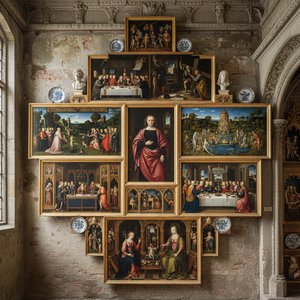
Early Netherlandish Masters: 10 Paintings That Revolutionized Art & Decor
Journey into the Early Netherlandish Renaissance! Explore 10 iconic paintings by Jan van Eyck, Rogier van der Weyden & more. Discover stunning detail, symbolism, and oil painting techniques. Find museum-quality art reproductions for your home at OriginalUniqueArt.com.