- 홈

- 캔버스 프린트
- 크라나흐 루카스 더 엘더
- Judith
 작품 구매하기
 공유하기
공유하기 공유하기
공유하기
 상세 정보
상세 정보

 다운로드
다운로드
 유사 작품
유사 작품 X-레이
X-레이 슬라이드 쇼
Judith
 Oil On Panel
- Northern Renaissance
 1515
1515- Renaissance
 86.0 x 59.0 cm
 더 보기
더 보기




P118B $10

P118H $10

P118W $10

P438Z $10

P508JH $12

P508YH $12

P805H $10

P805Z $10

P919BZ $10

P919G $10

P919XJ $10

P959ZH $10

P968JZ $12

W106C $8

W218G $10

W218JH $8

W218Y $10

W307PJ $10

W316G $10

W316PJ $8

W316Y $10

W398PJ $8

W4111J $10

W500HY $15

W500JH $15

W692G $12

W849H $8

W940BG $15

W953PJ $8




작품의 원본 비율을 유지하는 미리 설정된 크기 중에서 선택하세요.

특정 프레임이나 공간에 맞춰 직접 치수를 입력하실 수 있습니다. 선택하신 사이즈가 원본 이미지의 비율과 일치하지 않을 경우, 작품을 크롭(자르기)하거나 이미지를 대칭 또는 단색 채우기로 확장하여 제작합니다. 제작 시작 전, 최종 확인을 위해 디지털 목업이 전송됩니다.
화면상의 미리보기는 실제 크롭이나 확장 상태를 반영하지 않으므로, 최종 구도는 오직 목업을 통해서만 정확하게 확인하실 수 있습니다.
맞춤 사이즈 제작도 가능하지만, 원본 비율을 유지하기 위해서는 사전 정의된 목록에서 치수를 선택하시는 것을 권장합니다.


 유리 옵션은 110cm 미만 크기에서만 선택 가능합니다.

Judith
지클레 / 아트 프린트
복제본 크기
-


최종 결제 금액
-
작품 상세 설명
Judith by Lucas Cranach the Elder: A Renaissance Masterpiece
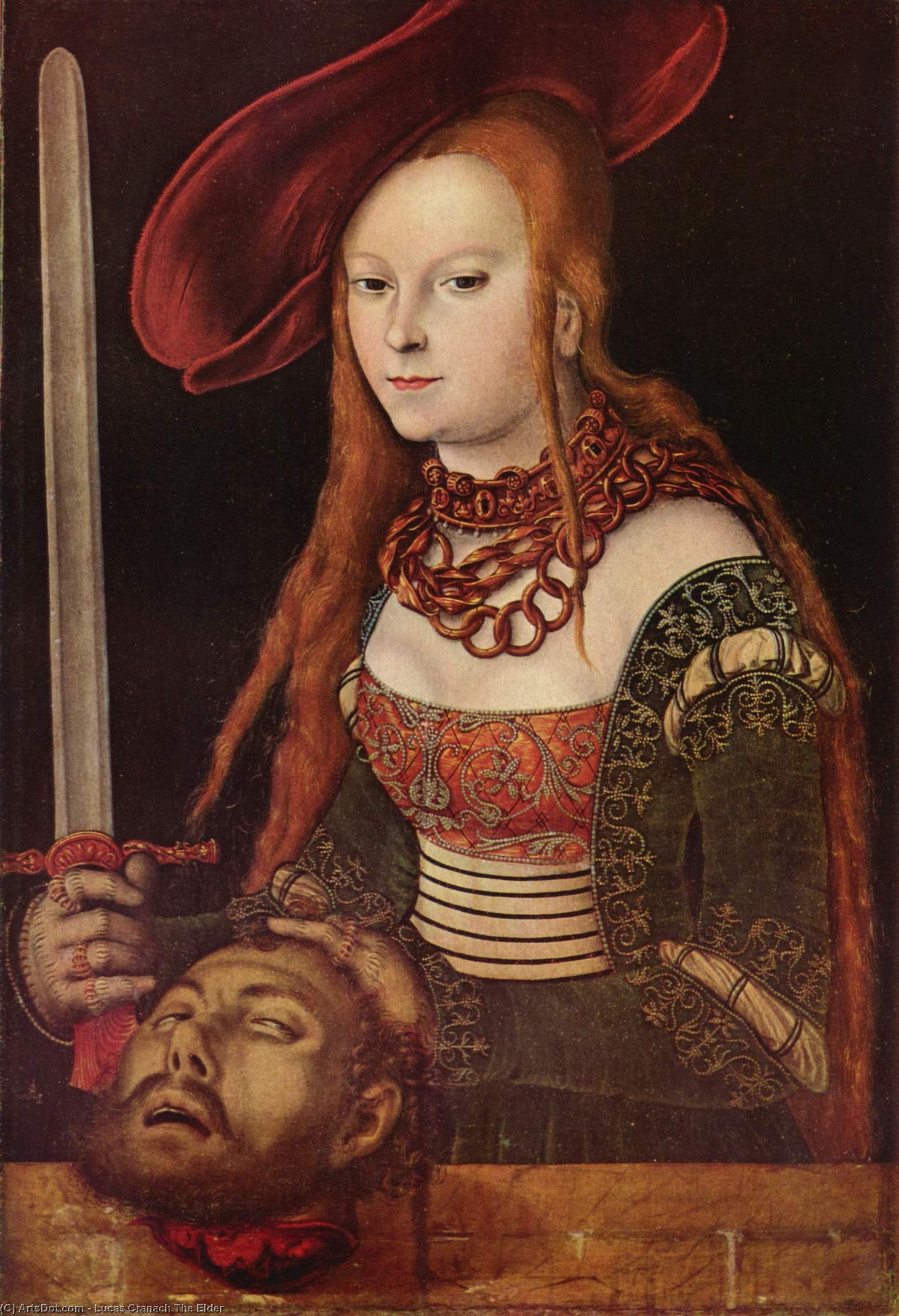
The painting "Judith" by Lucas Cranach the Elder is a masterpiece of the Northern Renaissance style, created in 1515. This oil painting measures 86 x 59 cm and is a stunning representation of the biblical story of Judith and Holofernes.
Artistic Style and Technique
Lucas Cranach the Elder was a renowned German painter and printmaker, known for his contributions to the development of the Northern Renaissance style. His paintings often featured rich colors, detailed landscapes, and mythological subjects. In "Judith," he used a bold color palette, with the red hat standing out against the rest of the scene. The woman's armor is also intricately detailed, highlighting her role as a warrior.
- The painting is characterized by its use of symbolism, with the severed head representing victory and power.
- The artist’s attention to detail is evident in the intricate design of Judith’s armor and clothing.
- The painting's composition is balanced, with the central figure of Judith drawing the viewer's eye.
Symbolism and Historical Context
This artwork draws from the biblical story of Judith, a courageous Jewish widow who saved her people by seducing and then beheading the Assyrian general Holofernes. Cranach’s depiction reflects the Northern Renaissance fascination with biblical narratives and classical themes. The painting was created during the Reformation period in Germany, and it's believed that some scholars have suggested that such works may relate to the Schmalkaldic League – an alliance of Protestant princes formed to defend against the Holy Roman Emperor.
Emotional Impact and Legacy
“Judith” evokes a sense of strength, determination, and triumph. Judith’s direct gaze and regal posture convey her power and resolve. The somber background enhances the dramatic impact of the scene, drawing attention to the central figure. Cranach's masterful use of light and shadow creates depth and realism, making this painting a captivating work of art that continues to inspire and fascinate audiences today.
Notable Works by Lucas Cranach the Elder
Explore more of Cranach's artistry through these notable works:
The Kunsthistorisches Museum in Vienna, Austria, also houses several of his works.
작가 약력
A Renaissance Master of Saxony: The Life and Art of Lucas Cranach the Elder
Lucas Cranach the Elder, born in Kronach, Germany around 1472, stands as a pivotal figure of the German Renaissance. His life unfolded during a period of immense religious and political upheaval, and his art became inextricably linked to both the burgeoning Protestant Reformation and the opulent courts he served. Initially trained by his father, Hans Maler, Cranach’s early artistic development remains somewhat shrouded in mystery, though influences from South German masters are evident in his evolving style. He quickly distinguished himself not merely as a skilled craftsman but as an artist capable of capturing psychological depth alongside technical precision – qualities that would soon draw the attention of powerful patrons. In 1504, he entered the service of Frederick III, Elector of Saxony, a relationship that would define much of his career and provide him with both stability and access to influential circles. This appointment as court painter in Wittenberg wasn’t simply about producing decorative works; it placed Cranach at the very heart of one of the most transformative movements in European history.Early Life and Artistic Training
Lucas Cranach's formative years were spent in Kronach, where he received his initial artistic education from his father, Hans Maler—a respected painter who instilled in him a profound appreciation for craftsmanship and observation. While details about Cranach’s early life remain scarce, biographical accounts suggest that he possessed an innate talent for drawing and painting from a young age. His father's influence extended beyond technique; Hans Maler fostered in Lucas a humanist sensibility—a belief in the importance of human reason and experience—that would shape his artistic worldview. Around 1502–4 Cranach moved to Vienna, where he honed his skills under the tutelage of Johannes Stephan Reuss—a prominent humanist scholar who championed classical ideals and encouraged experimentation with new artistic styles. This period marked a crucial turning point in Cranach’s artistic development, exposing him to the intellectual ferment of the Viennese Renaissance and broadening his horizons beyond the confines of Saxony. He was particularly drawn to the works of Leonardo da Vinci, whose innovative techniques—such as sfumato—inspired him to explore subtle gradations of color and light—a hallmark of Northern Renaissance painting.Service to Frederick III and Artistic Patronage
Lucas Cranach’s career ascended rapidly upon his arrival in Wittenberg in 1505—the seat of the Saxon Electorship and a center of Protestant scholarship. Frederick III, recognizing Cranach's exceptional talent and artistic vision, appointed him court painter—a position that afforded him unparalleled access to royal patronage and political influence. This relationship was not merely transactional; it fostered a deep intellectual connection between Cranach and Frederick—who shared a fervent belief in the transformative power of humanist learning. Cranach skillfully utilized his role as court artist to elevate Wittenberg’s prestige—promoting its reputation for theological debate and scholarly inquiry—while simultaneously securing substantial financial support for his workshop. He commissioned monumental altarpieces—such as those adorning St Mary's Church—that showcased the grandeur of Saxon piety and reaffirmed Frederick III’s commitment to Protestant orthodoxy. Furthermore, Cranach undertook numerous portrait commissions—capturing likenesses of prominent figures from Saxony’s elite—demonstrating his mastery of psychological realism and elevating his subjects to positions of honor.The Reformation and Artistic Innovation
Lucas Cranach's artistic output became inextricably intertwined with the Protestant Reformation—a seismic upheaval that reshaped European religious and political life. He embraced Luther’s theological principles—emphasizing scripture as the sole source of divine authority—and translated them into visual form—challenging Catholic iconography and fostering a more personal engagement with faith. Cranach created no fewer than eleven portraits of Martin Luther—each offering a unique glimpse into the reformer's personality and evolving role—a testament to his unwavering devotion to Protestant ideals. These weren’t merely likenesses; they were carefully constructed images designed to project authority, piety, and intellectual strength—essential qualities for a leader confronting papal dogma. Beyond portraiture, Cranach produced woodcuts and engravings that disseminated Reformation propaganda—promoting Luther's teachings and galvanizing support for the cause of reform. His depictions of biblical scenes moved away from traditional Catholic representations—focusing on direct engagement with scripture and conveying the urgency of spiritual renewal.Legacy and Artistic Influence
Lucas Cranach the Elder died in Weimar in 1553—leaving behind an extraordinary artistic legacy that continues to inspire awe and admiration centuries later. He was a master of portraiture, a skilled interpreter of religious themes, and a shrewd businessman who understood the power of visual communication. His workshop flourished after his death—producing works that upheld Cranach’s distinctive style and techniques—ensuring that his influence endured across generations. From the monumental altarpieces adorning St Mary's Church to the iconic portraits of Martin Luther—Cranach’s art embodies the spirit of the German Renaissance—a period marked by intellectual ferment, artistic innovation, and profound spiritual questioning. His ability to blend humanist learning with artistic virtuosity cemented his place as one of the most influential artists of his era—and his enduring legacy serves as a beacon for aspiring painters and scholars alike. Cranach’s meticulous attention to detail—his masterful use of color and light—and his innovative approach to portraying human psychology continue to captivate audiences today—demonstrating the timeless beauty and intellectual depth of his artistic vision.
크라나흐 루카스 더 엘더
1472 - 1553 , 독일
주요 정보
- Artistic Movement Or Style: Norddeutsche Renaissance
- Artists Or Movements Influenced By This Artist: ['Albrecht Dürer']
- Artists Who Influenced This Artist: ['Hans Maler']
- Date Of Birth: Kronach, Deutschland
- Date Of Death: 1553
- Full Name: Lucas Cranach der Ältere
- Nationality: Deutsch
- Notable Artworks:
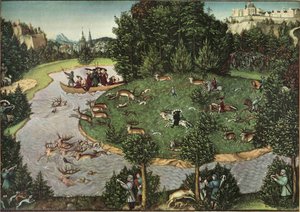
- Jagd der Hirsche
- Selbstbildnis
- Ankündigung an Joachim
- Place Of Birth: Deutschland
관련 기사 더 보기
The Northern Awakening: Artistic Innovation & Cultural Transformation in the German Renaissance
Explore the artistic innovation of the German Renaissance! Discover Dürer, the Danube School & Reformation art. Learn about techniques, materials & lasting influence. Find museum-quality reproductions at OriginalUniqueArt.
북부 르네상스 미술의 거장 10선: 예술과 품격으로 당신의 공간을 채우다
북부 르네상스 미술의 정수를 담은 10가지 대작! 뒤러, 반호이켄 등 거장의 작품으로 예술적 영감을 얻고, OriginalUniqueArt.com에서 고품격 아트 프린트와 인테리어 아이디어를 만나보세요. 지금 바로 온라인 컬렉션을 탐험하세요.
르네상스 걸작 TOP 10: 초기 예술의 지혜와 아름다움을 만나보세요
초기 르네상스 미술의 정수를 담은 명작 10! 보티첼리, 다비드 등 거장의 숨결을 느껴보세요. 예술 작품 탄생 비화와 아름다운 색채를 탐구하고, OriginalUniqueArt.com에서 고품질 아트 프린트 & 인테리어 영감을 얻으세요. 지금 바로 온라인 컬렉션을 만나보세요!
르네상스 미술의 황홀경: 걸작 10선이 밝힌 시대와 예술혼
르네상스 미술의 심장을 뛰게 하는 10가지 걸작! 다빈치, 미켈란젤로, 라파엘로의 명품부터 숨겨진 보석까지. 예술가의 혼과 시대정신을 담은 작품들을 OriginalUniqueArt에서 만나보세요. 지금 바로 온라인 컬렉션을 탐험하세요!
Renaissance Masters: 10 Artworks That Defined a Golden Age | OriginalUniqueArt
Journey through the High Renaissance with 10 iconic masterpieces by Leonardo da Vinci, Michelangelo & Raphael. Explore art history, techniques & timeless beauty. Find museum-quality reproductions for your home at OriginalUniqueArt.com.