미리보기
미리보기
 공유하기
공유하기 공유하기
공유하기
 상세 정보
상세 정보 가이드 보기

 다운로드
다운로드
 유사 작품 더 보기
 X-레이
X-레이 슬라이드 쇼 보기
 질의응답
질의응답 통계 정보
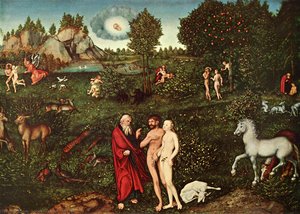
통계 정보아담과 이브

- 136.0 x 80.0 cm


 더 보기
더 보기
지클레 / 아트 프린트
빠른 제작과 다양한 마감 옵션을 제공하는 박물관 수준의 지클레이 및 캔버스 프린트. ( 수작업 채색 복제본 주문하기 디지털 이미지로 전환)




P118B ₩10

P118H ₩10

P118W ₩10

P438Z ₩10

P508JH ₩12

P508YH ₩12

P805H ₩10

P805Z ₩10

P919BZ ₩10

P919G ₩10

P919XJ ₩10

P959ZH ₩10

P968JZ ₩12

W106C ₩8

W218G ₩10

W218JH ₩8

W218Y ₩10

W307PJ ₩10

W316G ₩10

W316PJ ₩8

W316Y ₩10

W398PJ ₩8

W4111J ₩10

W500HY ₩15

W500JH ₩15

W692G ₩12

W849H ₩8

W940BG ₩15

W953PJ ₩8




작품의 원본 비율을 그대로 유지하는 프리셋 사이즈 중에서 선택해 보세요.

액자나 벽면 크기에 맞춰 필요한 가로와 세로 길이를 입력해 주세요. 프린트는 원본 이미지보다 크게 제작할 수 없으며 오직 자르는 것만 가능하므로, 비율이 다른 사이즈를 선택할 경우 이미지의 일부가 잘려 나갈 수 있습니다. 인쇄 작업에 들어가기 전, 최종 확인을 위해 디지털 목업을 보내드립니다. 이 페이지에 표시된 이미지는 실제 잘리는 영역을 나타내지 않으며, 오직 목업을 통해서만 정확한 확인이 가능합니다.


 유리 옵션은 110cm 미만 크기에서만 선택 가능합니다.

아담과 이브
지클레 / 아트 프린트
복제본 크기
-


최종 결제 금액
₩ 108033
소개: 루카스 크라나흐 더 엘더
루카스 크라나흐 더 엘더는 1472년생으로, 독일 르네상스 시대의 대표적인 화가이자 판화가였습니다. 종교적 주제, 신화적 장면, 초상을 묘사하는 데 유명하며, 사악시기 40년 이상 사악의 전무를 위해 활동했습니다. 이 기간 동안 독일 미술계 발전에 크게 기여했습니다. 16세기 미술계 발전에도 큰 영향을 미쳤습니다.그림: 아담과 하와
루카스 크라나흐 더 엘더가 약 1530년에 그린 아담과 하와는 그의 작품 중 가장 뛰어난 예시입니다. (재생 이미지 보기). 이 그림은 아담과 하와가 에덴 동산에서 지식의 나무에서 금지된 열매를 먹는 순간을 묘사하여 성경 이야기를 보여줍니다.상징성과 스타일
크라나흐의 아담과 하와 그림은 그의 독특한 스타일을 보여줍니다. 길쭉한 인물, 섬세한 색상, 복잡한 세부 묘사가 특징입니다. 예술가는 이야기를 전달하기 위해 상징적인 요소를 사용합니다. 금지된 지식의 나무를 감싸고 있는 뱀이 그 예시로 유혹과 죄를 나타냅니다. 또한 배경에 등장하는 동물들의 묘사는 아담과 하와의 범죄로 인한 재앙과 대조되는 평온함을 조성합니다.크라나흐의 유산
루카스 크라나흐 더 엘더는 그의 경력 동안 아담과 하와 주제를 50개 이상의 버전으로 제작한 다작 화가였습니다. 그의 작품은 특히 르네상스 시대에 독일 미술에 큰 영향을 미쳤습니다. 오늘날 OriginalUniqueArt.com은 크라나흐의 걸작을 수제 유화 복제품으로 제공하여 예술 애호가가 집이나 사무실에서 이러한 시대를 초월한 작품의 아름다움과 상징성을 즐길 수 있도록 합니다.복제품의 기술
OriginalUniqueArt.com에서 복제품을 만드는 과정은 각 작품의 섬세한 세부 사항, 색상 팔레트 및 붓터치를 연구하여 원래 작품의 본질을 포착하는 데 중점을 둡니다. 이 정확성에 대한 헌신은 복제품이 시각적으로 놀랍도록 뿐만 아니라 역사적으로도 의미가 있으며, 예술 애호가가 르네상스 걸작을 저렴하고 접근하기 쉬운 방식으로 즐길 수 있도록 합니다.결론
루카스 크라나흐 더 엘더의 아담과 하와 그림은 그의 예술적 재능과 독일 르네상스 미술에 대한 기여를 보여주는 매혹적인 예시입니다. OriginalUniqueArt.com은 고품질의 수제 유화 복제품을 제공하여 당신이 이 걸작을 집으로 가져오고 앞으로도 오랫동안 그 아름다움과 상징성을 즐길 수 있도록 합니다.- 르네상스 부활에 대해 자세히 알아보려면 다음 링크를 방문하십시오: 르네상스 부활: OriginalUniqueArt.com의 고전 복제품을 보다 깊이 있게
- 저희 예술가와 그들의 작품에 대해 자세히 알아보려면 다음 링크를 방문하십시오: 예술가
질의응답
루카스 크라나흐 디어 엘더의 "아담과 이브"에서 예술 사조와 시대상은 어떻게 맞닿아 있나요?
루카스 크라나흐 디어 엘더의 "아담과 이브"은(는) Renaissance 사조와 르네상스 시대의 만남을 보여줍니다.
구매하기 전에 루카스 크라나흐 디어 엘더의 "아담과 이브"을(를) 제 벽에 미리 배치해 볼 수 있나요?
루카스 크라나흐 디어 엘더의 "아담과 이브"의 AR로 미리보기 페이지에서는 증강 현실(AR) 기술을 통해 호환 가능한 기기에서 작품이 사용자의 공간에 배치된 모습을 미리 확인할 수 있습니다.
"아담과 이브"이(가) 제작될 당시 루카스 크라나흐 디어 엘더의 나이는 몇 세였나요?
1525년에 "아담과 이브"이(가) 제작되었을 당시, 1472년에 태어난 루카스 크라나흐 디어 엘더의 나이는 53세였습니다.
작가 정보
종교 개혁의 시각적 설계자
독일 르네상스를 진정으로 이해하기 위해서는 추상적인 신학의 영역을 넘어, 루카스 크라나흐 디어 엘더가 그려낸 날카롭고 결단력 있는 선들을 바라보아야 합니다. 그는 단순한 화가를 넘어선, 일종의 시각적 전략가였습니다. 프로테스탄트 종교 개혁이 유럽을 분열시키던 격동의 시기에, 크라나흐는 새로운 질서를 정의하는 이미지를 제공했습니다. 마틴 루터와의 관계는 단순한 우정을 넘어선, 종교적 사상을 만질 수 있고 복제 가능한 예술로 변모시킨 기능적 파트너십이었습니다. 그는 이전 세대의 전통적인 가톨릭 도상학에서 벗어나, 성경과의 직접적인 교감을 강조하는 스타일을 선택했습니다. 이는 매우 계산된 변화였습니다. 목판화와 판화를 통해 그는 종교 개혁의 아이디어가 단 하나의 교회 담장을 넘어, 글을 읽을 줄 알며 점차 요동치기 시작한 대중에게까지 널리 퍼져나갈 수 있도록 만들었습니다.
비텐베르크에 위치한 그의 작업실은 현대 기업과 같은 효율성으로 운영되었습니다. 이는 결코 고독한 예술적 수행이 아니었습니다. 크라나흐는 아들인 루카스 크라나흐 디어 주니어를 포함하여, 조수와 도제들로 구성된 체계적인 시스템을 통해 방대한 작품을 생산해냈습니다. 이러한 협업 모델 덕분에 그는 고가의 유화 작품부터 저렴한 판화에 이르기까지 시장을 완전히 장악할 수 있었습니다. 그의 기술적 정교함은 후원 체계에 대한 탁월한 이해와 맞물려 빛을 발했습니다. 1504년 작센 선제후 프리드리히 3세의 궁정 화가로 임명됨으로써, 그는 한 시대의 시각적 서사를 형성하는 데 필요한 정치적 영향력과 안정성을 동시에 확보했습니다. 그는 예술가인 동시에 매우 영리한 사업가였습니다.
초상화와 정체성의 구축
크라나흐의 초상화는 단순히 얼굴을 기록하는 것에 그치지 않고, 하나의 인격을 구축해냅니다. 특히 마틴 루터에 대한 그의 묘사는 매우 중요합니다. 그는 종교 개혁가를 묘사한 열한 가지의 서로 다른 버전을 제작했는데, 각각의 작품은 의도적인 소통의 도구였습니다. 이것들은 단순한 닮은꼴이 아니었습니다. 권위와 경건함, 그리고 지적 강인함을 투영하기 위해 세심하게 구성된 이미지였습니다. 종교적 격변의 시대에 이러한 초상화들은 정치적, 신학적 선언문으로서 기능했습니다. 그는 신념 체계를 바꾸기 위해서는 그 체계를 이끄는 인물의 이미지부터 바꾸어야 한다는 사실을 꿰뚫고 있었습니다.
이러한 정체성 구축의 숙련도는 세속적이고 신화적인 주제로도 확장되었습니다. 독일의 제후들과 귀족 여인들을 그린 그의 초상화에는 특유의 미학이 담겨 있습니다. 길게 늘어진 듯한 비율, 세밀한 디테일, 그리고 사회적 지위를 강조하는 세련된 표현력이 그것입니다. 고위 관료를 그리든, 비너스와 같은 신화적 인물을 그리든, 크라나흐는 심리적 깊이에 일관된 초점을 맞추었습니다. 그는 단순히 장식적인 것에 머물기를 거부하고, 대상의 본질을 포착하는 사실주의를 선택했습니다. 이 시기 그의 작품들은 빛과 그림자를 정교하게 사용하여 깊이감을 만들어내며, 관람객을 인물의 현존 속으로 끌어들이는 세련된 기법을 보여줍니다.
기술적 정교함과 양식적 유산
크라나흐의 화풍은 매우 독보적입니다. 우아함과 사실주의 사이의 절묘한 긴장감이 특징입니다. 그의 인물들은 종종 우아하면서도 약간은 늘어진 듯한 느낌을 주지만, 벨벳과 금, 그리고 피부의 질감은 극도로 정밀하게 묘사됩니다. 이러한 이중성은 그의 작품이 제단의 엄숙한 제단화부터 고전 신화의 관능적인 주제에 이르기까지 다양한 맥락에서 기능할 수 있게 했습니다. 종교적인 것에서 세속적인 것에 이르기까지 이토록 다양한 주제를 넘나드는 그의 능력은, 빈에서 뉴욕에 이르는 전 세계 박물관에 그의 작품이 끊임없이 전시되는 핵심적인 이유입니다.
그의 기술적 레퍼토리는 다음과 같은 다양한 매체를 아우르며 매우 다채로웠습니다:
- 패널 유화: 가장 중요한 주문 제작 작품과 초상화에 사용되었습니다.
- 목판화 및 판화: 그의 영향력을 광범위하게 확산시킨 원동력으로, 디자인의 대량 보급을 가능케 했습니다.
- 협업 작업실 생산: 그의 양식적 특징이 후계자들에 의해 지속적으로 계승될 수 있도록 보장한 방식입니다.
크라나흐는 1553년에 세상을 떠났지만, 그가 확립한 시각적 언어는 북유럽 르네상스의 상당 기간 동안 표준으로 남았습니다. 그는 단순히 시대의 변화를 관찰하는 데 그치지 않고, 그 변화를 시각화할 수 있는 도구를 제공했습니다. 중세의 전통과 종교 개혁의 현대적이고 개인주의적인 초점 사이의 간극을 메운 그의 유산은 오늘날까지도 살아 숨 쉬고 있습니다. 그의 예술은 결코 정체되어 있지 않았으며, 끊임없이 변화하는 세상을 향한 기능적이고 진화적인 응답이었기에 그는 여전히 중심적인 인물로 남아 있습니다.

루카스 크라나흐 디어 엘더
1472 - 1553 , 독일
작가 정보 요약
- Artistic Movement Or Style: 독일 르네상스
- Artists Or Movements Influenced By This Artist: ['루카스 크라나흐 디어 엘더']
- Artists Who Influenced This Artist: ['한스 말러']
- Date Of Birth: 1472
- Date Of Death: 1553
- Full Name: 루카스 크라나흐 디어 엘더
- Nationality: 독일
- Notable Artworks:
- 세례 요한의 머리를 든 살로메
- 십자가 처형
- 성 제네비바와 성 아폴로니아
- 경건한 요한의 초상
- 파리스의 심판
- 성 모리스
- 어울리지 않는 커플
- 비너스와 큐피드
- Place Of Birth: 독일 크로나흐
관련 콘텐츠

Franz Xaver Winterhalter: Court Painter, Academician & Embodiment of Mid-19th Century Portraiture
Explore the life & art of Franz Xaver Winterhalter, the celebrated court painter of the 19th century. Discover his exquisite portraits of royalty and aristocracy – a symbol of prestige and refined taste.

Master of the Renaissance: The 25 Greatest Artworks by Albrecht Dürer
Journey through the Northern Renaissance with our curated guide to the 25 greatest artworks by Albrecht Dürer. From iconic woodcuts to profound self-portraits, explore the mastery behind these timeless classics. Find museum-quality reproductions at OriginalUniqueArt.com. Explore the full collection online.
Edmund Dulac: A Master of Golden Age Illustration – Exploring Myth, Symbolism & Art Nouveau Legacy
Explore the captivating world of Edmund Dulac, a master of Golden Age illustration! Discover his enchanting fairy tales, Art Nouveau style, and lasting influence on art & design. Learn about *The Rubaiyat* and more.

Beyond Replication: Sustaining Art Heritage Through Inspired Reproductions in Contemporary Interiors
Discover museum-quality art reproductions & bespoke paintings crafted by skilled artists. Elevate your home with timeless masterpieces – ethically sourced, expertly curated, and guaranteed to inspire. Explore our collection today!

Paradise Lost: An Exploration of Iconic Artworks Depicting Adam and Eve
Explore the history of Adam and Eve in art from Dürer to Cole. Discover the deep symbolism behind these iconic masterpieces now.