
 유화 원작 구매
 The Hell에 관한 모든 것

































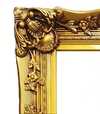
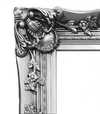

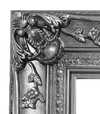


 가로 또는 세로 중 어느 한 면이라도 105cm(약 41인치)를 초과하는 작품이나 복제화의 경우, 프레임은 분해된 키트 형태로 배송됩니다. 이는 안전한 배송을 보장하고 운송 중 발생할 수 있는 손상을 방지하기 위함입니다.


Identification of The Hell by Luca Signorelli
The Hell is a fresco by Luca Signorelli. Painted in 1502, this work captures a vision of the underworld. It occupies a space of profound movement and spiritual weight. The scene is populated by a multitude of figures, specifically a vast assembly of demons and angels. These entities occupy the air and the ground in a state of constant, restless interaction.
The composition centers on this celestial and infernal struggle. Demons move through the scene, some standing firm while others fly through the atmosphere. Angels appear both on the earth and within the sky, creating a layered presence against an ornate ceiling. The figures exist in a state of perpetual motion. Every limb and wing contributes to the heavy, dynamic energy of the fresco.
The artist, Luca Signorelli, rendered this vision with a focus on the physical reality of the body. The figures possess a robust physicality. They are not mere symbols but bodies caught in the tension of the afterlife. Light and shadow define the weight of these beings as they navigate the depths of the underworld. A sense of gravity pulls at the scene.
Composition and Visual Elements of the Fresco
The scene unfolds beneath an ornate ceiling, a structured weight above the chaos of the underworld. Within this space, demons occupy every corner. Some stand firmly upon the ground, while others slice through the air, caught in mid-flight. This movement creates a restless, dynamic energy that pulls the eye across the expanse. It is a crowded, swirling architecture of limbs and wings.
Angels appear in the composition, scattered between the earth and the sky. They exist in direct tension with the demonic figures, engaging in constant interaction throughout the image. This collision of celestial and infernal beings defines the visual rhythm. The figures do not merely inhabit the space; they collide within it, driven by a sense of perpetual motion. Light and shadow trace the edges of these interacting forms.
Related Works by Luca Signorelli
The artist’s hand moved through the heavy air of the Orvieto Cathedral, leaving behind the Last Judgment (1499-1503). Here, the scale of his vision expands to meet the monumental needs of the space. His brush also captured the tension of the Crucifixion with Saint Mary Magdalene, a work created about 1502–1505. The weight of the human frame remains a constant, a study in bone and muscle under the light.
In 1507, his focus shifted toward the Polyptych of St. Medard, a work held in the Museum San Medardo in Arcevia, Italy. This piece demonstrates his detailed and naturalistic handling of the human form. That same year, he produced The Crucifixion, a work that echoes the structural clarity found in his larger cycles. Each figure carries a specific weight, a physical presence that anchors the divine to the earth. The shadows fall deep across the limbs.
질의응답
The Hell은(는) 수작업으로 그린 작품인가요, 아니면 프린트된 작품인가요?
수작업 제작: 숙련된 화가가 The Hell을(를) 리넨 캔버스 위에 유화로 재현합니다.
The Hell의 사이즈는 어떤 것을 선택해야 하나요?
사이즈는 30.8 x 32.5 cm (₩294309)부터 233.3 x 246.1 cm (₩3123171)까지 있으며, 이 페이지의 표에 주요 단계별 가격이 안내되어 있습니다.
배송은 얼마나 걸리나요?
배송은 전 세계 무료 특송으로 4~5주가 소요되며, 본 페이지에서 긴급 제작 옵션을 선택하실 수 있습니다. 제품은 조건 없이 100일 이내에 반품하여 전액 환불받으실 수 있습니다.
루카 시뇨렐리 작가는 The Hell 작품에 어떤 재료를 사용했나요?
Fresco
 공유하기
 공유하기
 상세 정보
 학습용 요약본


 다운로드
 유사 작품 더 보기
 슬라이드 쇼 보기
 질의응답

 통계 정보


