

 실제 크기로 보기
 보내기
보내기 공유하기
공유하기
 상세 보기
상세 보기 가이드 보기

 이미지 다운로드
 유사 작품 더 보기
 X-레이
X-레이 슬라이드 쇼 보기
 통계 정보
통계 정보Salome, Second Version
 Acrylic On Canvas
- WallArt
- Berlin Secession
 1900
1900- 19th Century
 127.0 x 148.0 cm
 Museum der bildenden Künste
 상세 보기
상세 보기
핸드메이드 유화 복제화
작가가 직접 캔버스에 손으로 그린 유화 작품으로, 원하는 크기와 액자로 맞춤 제작해 드립니다. ( 프린트 판매로 전환 디지털 이미지 판매 채널로 전환)




P118B ₩10

P118H ₩10

P118W ₩10

P438Z ₩10

P508JH ₩12

P508YH ₩12

P805H ₩10

P805Z ₩10

P919BZ ₩10

P919G ₩10

P919XJ ₩10

P959ZH ₩10

P968JZ ₩12

W106C ₩8

W218G ₩10

W218JH ₩8

W218Y ₩10

W307PJ ₩10

W316G ₩10

W316PJ ₩8

W316Y ₩10

W398PJ ₩8

W4111J ₩10

W500HY ₩15

W500JH ₩15

W692G ₩12

W849H ₩8

W940BG ₩15

W953PJ ₩8




작품의 원본 비율을 그대로 유지하는 프리셋 사이즈 중에서 선택해 보세요.

액자나 벽면 크기에 맞춰 필요한 가로와 세로 길이를 입력해 주세요. 본 작품은 수작업으로 제작되므로, 요청하신 비율에 따라 작가가 그림의 가장자리를 조금 더 넓게 그리거나 일부를 조정하여 작업할 수 있습니다. 작업 시작 전, 최종 확인을 위해 디지털 목업 이미지를 보내드립니다. 이 페이지에 표시된 이미지는 실제 결과물과 다를 수 있으며, 오직 목업 이미지만이 정확한 결과물을 보여줍니다.
주문 완료 후 OriginalUniqueArt.com 팀에서 상세 안내를 위해 고객님께 이메일을 보내드리며, 미리보기 시안을 함께 제공해 드립니다.


 유리 옵션은 110cm 미만 크기에서만 선택 가능합니다.

Salome, Second Version
재현 매체
복제본 규격
-


총 결제 금액
₩ 410582
A Descent into Shadow and Desire: Lovis Corinth’s ‘Salome, Second Version’
Lovis Corinth's “Salome, Second Version,” painted in 1900, isn’t merely a depiction of the biblical tale; it’s a visceral exploration of power, betrayal, and the unsettling allure of darkness. This arresting canvas, currently residing within the Museum der Bildenden Künste in Leipzig, immediately commands attention with its dramatic composition and intensely expressive palette. Corinth, a pivotal figure bridging Impressionism and Expressionism, masterfully eschews traditional romanticism, instead presenting a Salome far removed from the idealized figures of earlier portrayals. Instead of a passive object of desire, she emerges as a complex, almost defiant presence – a woman caught in the throes of her own ambition and haunted by the consequences of her actions.
The painting’s genesis lies within the turbulent artistic landscape of early 20th-century Berlin. Corinth, having moved there from Munich, found himself at the heart of a vibrant, often contentious, art scene. The Secession group, with its emphasis on freedom and innovation, provided a fertile ground for his evolving style. “Salome” reflects this period’s fascination with psychological depth and emotional intensity – a departure from the polished surfaces of academic painting. Corinth deliberately chose to revisit the legend, not as a straightforward narrative illustration, but as an opportunity to delve into the character's inner turmoil and the moral ambiguity at the heart of the story.
The Dance and its Discontents: Technique and Composition
Corinth’s technique is immediately striking. He employs a bold, almost frenetic brushstroke – thick impasto applied with visible energy – that imbues the canvas with a sense of movement and urgency. The colors are rich and saturated, dominated by deep reds, purples, and blacks, creating an atmosphere of dramatic intensity. The composition itself is carefully constructed to draw the viewer into the scene. Salome, positioned centrally, dominates the foreground, her body tilted forward in a pose that suggests both vulnerability and calculated seduction. The figures surrounding her – the servant bearing the head, the watchful woman with the fan, and the shadowy men – are rendered with varying degrees of detail, contributing to the painting’s overall sense of unease and disorientation.
- Brushwork: Thick, expressive strokes create a dynamic and unsettling effect.
- Color Palette: Dominated by deep reds, purples, and blacks, evoking drama and shadow.
- Composition: Salome is centrally positioned, drawing the viewer's eye and emphasizing her role as the focal point of the scene.
Symbolism and Interpretation: A Portrait of Moral Ambiguity
Beyond the literal depiction of the biblical story, “Salome” is laden with symbolic meaning. The dance itself represents a dangerous allure – a seductive invitation to transgression. The severed head on the platter isn’t simply a gruesome trophy; it's a potent symbol of ambition and the destructive consequences of unchecked desire. Corinth deliberately avoids offering a clear moral judgment, instead presenting a complex portrait of a woman driven by both her own desires and the manipulative influence of her mother. The inclusion of the fan-bearing woman, often interpreted as Herodias, adds another layer of intrigue, suggesting a conspiracy at play – a deliberate orchestration of events that leads to John the Baptist’s demise.
Furthermore, the painting can be viewed through the lens of the burgeoning feminist movement of the time. Salome's defiant gaze and her unapologetic embrace of her sexuality challenged traditional notions of female virtue and presented a powerful image of female agency – albeit one ultimately consumed by tragedy. Corinth’s decision to portray her as a figure of both beauty and menace reflects the complex and often contradictory attitudes towards women in early 20th-century society.
Emotional Resonance: A Timeless Exploration of Human Darkness
“Salome, Second Version” continues to resonate with viewers today because it taps into fundamental human emotions – desire, betrayal, guilt, and the haunting awareness of our own mortality. Corinth’s masterful use of color, composition, and symbolism creates a painting that is both visually arresting and psychologically profound. It's not a comfortable image; it confronts us with the darker aspects of human nature and reminds us that even in moments of apparent beauty and pleasure, there can be a lurking sense of unease and impending doom. Reproductions of this powerful work offer a glimpse into Corinth’s artistic genius and provide an opportunity to contemplate the timeless themes explored within its shadowed depths.
질의응답
로비스 코린트의 "Salome, Second Version"에는 어떤 색상 팔레트가 사용되었나요?
로비스 코린트의 "Salome, Second Version"은(는) Dark 색조의 팔레트를 사용합니다. 이 팔레트는 작품 전체의 색채적 특징을 집약적으로 보여줍니다.
"Salome, Second Version"의 색상들은 빛을 어느 정도나 반사하는 것처럼 보이나요?
로비스 코린트의 "Salome, Second Version"의 기록된 휘도는 Gentle Luminance입니다.
로비스 코린트의 "Salome, Second Version"의 프린트 제품은 어디에서 구매할 수 있나요?
로비스 코린트의 "Salome, Second Version"의 프린트는 해당 파인 아트 프린트 페이지에서 바로 주문하실 수 있습니다: 코튼 캔버스 또는 아카이브용 캔버스지에 인쇄된 파인 아트 프린트
작가 소개
물감으로 빚어낸 삶: 로비스 코린트의 세계
1858년 7월 21일, 프로이센의 동프로이센 주에서 프란츠 하인리히 루이스라는 이름으로 태어난 로비스 코린트는 19세기에서 20세기 초로 이어지는 격동의 예술사를 온몸으로 구현한 인물이었습니다. 그의 여정은 단번에 얻은 명성이 아니라, 끊임없는 탐구와 다양한 영향, 그리고 끝내 마주하게 된 개인적인 비극을 통해 점진적으로 진화해 온 과정이었습니다. 코린트의 뿌리는 그가 태어난 타피아우의 전원 풍경에 닿아 있습니다. 무두질업자로 일하던 아버지의 직업 덕분에 어린 시절 접했던 노동의 물리적 실체와 자연의 가공되지 않은 아름다으로움은, 이후 그가 더욱 정교한 양식적 탐구를 이어가는 중에도 그의 작품 저변에 미묘하게 스며들었습니다. 1876년 쾨니히스베르크 아카데미에서 학업을 시작했으나, 그는 곧 전통적인 아카데미 방식만으로는 자신의 예술적 야망을 채울 수 없음을 깨달았습니다. 이후 이어진 여행은 뮌헨, 안트베르펜, 그리고 마침내 파스로 그를 이끌었으며, 각 도시는 그의 예술적 성장에 결정적인 디딤돌이 되었습니다. 뮌헨에서 그는 루드비히 폰 뢰프츠가 주창한 세밀한 사실주의를 흡수하며 관찰력을 연마하고 기술을 숙달했습니다. 안트베르펜에서는 루벤스의 극적인 바로크적 강렬함을 만났고, 파리에서는 태동하던 인상주의 운동을 접하게 되었습니다. 비록 초기에는 이를 즉각적으로 수용하기보다 조심스럽게 관찰하는 태도를 보였지만 말입니다.자연주의에서 양식의 통합으로
코린트의 예술적 발전은 급격한 혁명이라기보다 다양한 영향력을 점진적으로 흡수하고 통합해 나가는 과정이었습니다. 초기 작품들은 당시 유행하던 아카데미 표준을 반영하여 자연주의에 크게 치우쳐 있었습니다. 동물의 사체를 가감 없이 묘사한 “도살장 안에서”(1878)와 같은 작품은 사실적 재현에 대한 그의 의지를 보여주지만, 이 시기에도 이미 태동하는 감정적 강렬함이 표면 위로 드러나기 시작했습니다. 잔혹하고 본능적인 소재 자체는 불편한 진실을 마주하려는 그의 의지를 암시하며, 이러한 특징은 후기 작품에서 더욱 두드러지게 나타납니다. 특히 루벤스와 같은 거장들을 연구하며 얻은 역동적인 구도와 표현력 넘치는 붓터치는 그의 예술적 자산이 되었습니다. 그러나 결정적인 전환점은 처음에는 회의적인 시선으로 바라보았던 인상주의와의 만남이었습니다. 그는 단순히 모네나 르누아르의 분할된 색채와 찰나의 빛 효과를 모방하는 데 그치를 것이 아니라, 이를 자신만의 독창적인 비전 속에 통합시켰습니다. 인상주의적 생동감에 독일 특유의 감수성을 결합하여 탄생한 이 새로운 양식은, 결국 그를 20세기 초 예술 지형을 정의한 두 흐름인 인상주의와 표현주의를 잇는 가교로 자리매김하게 했습니다.초상화와 풍경화의 거장
코린트는 생애 전반에 걸쳐 성서적 장면이나 신화적 주제 등 다양한 장르를 탐구했지만, 그를 가장 잘 기억하게 하는 것은 그의 초상화와 풍경화입니다. 그의 초상화는 단순히 외형적인 닮음을 포착하는 것에 머물지 않았습니다. 그는 인물의 미묘한 몸짓, 표현력 있는 눈빛, 그리고 세심하게 계산된 구도를 통해 대상의 심리적 깊이를 파고들어 그들의 내면 세계를 드러내고자 했습니다. 최소한의 수단으로 인물의 성격과 감정을 전달하는 그의 능력은 실로 놀라웠습니다. 마찬가지로 그의 풍경화 역시 단순히 아름다운 경치를 묘란하는 것이 아니라, 자연에 대한 정서적 응답이었습니다. 바이에른 알프스의 발헨제 지역은 그에게 특별한 영감의 원천이 되었으며, 그는 노년에 이르기까지 이곳의 수많은 모티프를 반복해서 탐구했습니다. 이러한 회화들은 대담한 색채, 역동적인 붓놀림, 그리고 자연 세계에 대한 코린트 자신의 열정적인 몰입을 반영하는 가공되지 않은 에너지를 특징으로 합니다. 그는 목가적인 재현에는 관심이 없었습니다. 대신 그는 풍경이 지닌 길들여지지 않은 힘과 내재된 드라마를 포착하고자 했습니다.비극, 회복력, 그리고 영원한 유산
코린트의 삶, 나아가 그의 예술적 발전에서 결정적인 순간은 1911년 12월에 찾아온 뇌졸중이었습니다. 이로 인한 왼쪽 마비는 그의 경력을 완전히 끝낼 위협이 되었습니다. 그러나 그는 굴하지 않는 의지와 아내 샤를로트 베렌-코린트의 지지 속에 다시 그림을 그리는 법을 배웠고, 신체적 한계에 적응하며 더욱 표현력이 풍부한 양식을 발전시켰습니다. 이 시기는 그의 작품이 더욱 대담하고, 제스처가 강하며, 감정적으로 충만해지는 전환점이 되었습니다. 죽음과 신체적 취약성을 마주한 경험은 그의 예술에 새로운 긴박함과 진정성을 불어넣었습니다. 그는 더 거친 붓터치와 강렬해진 색채 팔레트를 수용하며, 훗날 표현주의를 정의하게 될 많은 양식적 혁신을 예견했습니다. 코린트의 영향력은 단순히 그의 회화에만 머물지 않았습니다. 그는 존경받는 교육자이자 미술 비평가로서 1908년 “그림 배우기에 대하여”와 같은 에세이를 발표하며 자신의 예술 철학과 기술적 접근법을 공유했습니다. 또한 1915년부터 1925년 사망할 때까지 베를린 세세션의 회장직을 맡아 진보적인 예술 사상을 옹호하고 활기찬 창작 공동체를 육성했습니다. 로비스 코린트의 유산은 그의 놀라운 작품군뿐만 아니라, 예술적 정직성에 대한 확고한 신념, 그리고 개인적인 비극을 심오한 예술적 표현으로 승화시킨 능력에 있습니다. 그는 두 시대를 연결하며 후대의 예술가들에게 지울 수 없는 흔적을 남긴 독일 미술사의 중추적인 거장으로 남아 있습니다.주요 작품 및 그 의의
- 도살장 안에서 (1878): 동물의 사체를 극사실적으로 묘사한 작품으로, 코린트 초기 기술의 숙련도와 불편한 주제를 마주하는 그의 용기를 보여줍니다.
- 자화상 (다양한 연도): 매년 자신의 생일에 그린 일련의 자화상들로, 예술가의 변화하는 자기 인식과 양식의 진화를 보여주는 매혹적인 기록입니다. 이 작품들은 깊은 자기 성찰과 정체성에 대한 두려움 없는 탐구를 드러냅니다.
- 모자를 쓴 여성 반나체 (1906): 고전적 모티프와 인상주의적 기법을 결합하여 관능적이면서도 심리적으로 매혹적인 초상화를 만들어내는 그의 능력을 증명합니다.
- 발헨제 시리즈 (다양한 연도): 바이에른의 발헨제 지역을 묘사한 풍경화 모음으로, 강렬한 색채와 역동적인 붓놀림, 감정적 밀도가 특징입니다. 이 작품들은 코린트의 성숙한 양식이 가장 강력하고 표현력 있게 나타난 정점이라 할 수 있습니다.
- 마지막 자화상 (1924): 사망 직전에 그려진 이 작품은 신체적 역경 앞에서도 굴하지 않았던 예술가의 회복력과 불굴의 정신을 보여주는 가슴 아픈 증거입니다. 이는 그의 예술적 여정의 결실이자 인간 인내의 강력한 상징입니다.

로비스 코린트
1858 - 1925 , 네덜란드
작가 정보 요약
- Artistic Movement Or Style: 인상주의 및 표현주의
- Artists Or Movements Influenced By This Artist: ['표현주의']
- Artists Who Influenced This Artist:
- 코르베르
- 루브레스
- Date Of Birth: 7월 21일 1858년
- Date Of Death: 7월 17일 1925년
- Full Name: Franz Heinrich Louis Corinth
- Nationality: 독일
- Notable Artworks:
- 살육장 풍경화
- 자화상 시리즈
- 모호한 여성 초상화
- Place Of Birth: 타우와데, 네덜란드
관련 기사
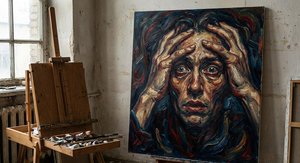
Figurative Expressionism: Emotional Intensity & Subjective Reality in 20th-Century Art
Explore the powerful world of Figurative Expressionism with OriginalUniqueArt. Discover key artists like Kirchner & Beckmann, understand its emotional depth, and learn how to collect this influential 20th-century art movement.

Lovis Corinth: Bridging Impressionism & Expressionism – A Study of Artistic Evolution
Explore the fascinating artistic journey of Lovis Corinth, a pivotal figure bridging Impressionism & Expressionism. Discover his evolution, key works, and lasting impact on modern art with OriginalUniqueArt.

The Raw Emotion of Expressionism: A Deep Dive into its History, Characteristics & Enduring Influence
Explore the raw emotion of Expressionism with OriginalUniqueArt. Discover its history, key artists like Kirchner & Munch, and lasting influence on modern art. Expert insights for collectors & enthusiasts.

German Expressionism's 10 Defining Masterpieces | Art for Your Home
Explore 10 defining German Expressionism masterpieces – from Munch's 'The Scream' to Kandinsky’s abstracts. Discover the artists, stories & bold colors behind this powerful art movement. Find museum-quality reproductions at OriginalUniqueArt.com.

추상표현주의를 정의한 10대 걸작: 예술과 인테리어의 새로운 영감
추상표현주의의 심장을 뛰게 한 10대 걸작을 만나보세요. 폴록, 로스코 등 거장의 작품 비하인드 스토리와 예술적 영감을 OriginalUniqueArt에서! 지금 바로 미술품 컬렉션을 탐험하고, 당신의 공간에 특별한 예술적 감성을 더하세요. OriginalUniqueArt.com
