Expressionism · 1909
Homeric Laughter, First Version (로비스 코린트, 1909)
로비스 코린트 (1858–1925) 작가의 Homeric Laughter, First Version 1909년에 제작되었습니다. Expressionism 운동에 속합니다. Oil On Canvas(으)로 제작되었습니다. 뮌헨, 독일에 위치한 바이에른 주립 회화 컬렉션에 소장되어 있습니다. 크기는 98 × 120 cm입니다.
- 1909
- Oil On Canvas
- 98 × 120 cm
- 바이에른 주립 회화 컬렉션, 뮌헨

 미리보기

 수작업 유화 작품
 공유하기
 공유하기
 학습용 요약본


 다운로드
 유사 작품 더 보기
 X-레이
 슬라이드 쇼 보기
 질의응답

 통계 정보
Homeric Laughter, First Version 요약
- 제목
- Homeric Laughter, First Version
- 작가
- 로비스 코린트 (1858–1925)
- 작가 출생지
- 그바르데이스크, 러시아
- 제작 연도
- 1909
- 매체
- Oil On Canvas
- 크기
- 98 × 120 cm
- 전시 장소
- 바이에른 주립 회화 컬렉션, 뮌헨, 독일
- 제작 시기
- 19th Century
- 주제
- nude figure, social gathering, conversation, greek mythology, laughter, domestic scene
Homeric Laughter, First Version은(는) 무엇을 묘사하고 있나요?
A Moment of Shared Revelry: Unpacking “Homeric Laughter”
Lovis Corinth’s “Homeric Laughter,” painted in 1909, isn't merely a depiction of a gathering; it’s an invitation into a vibrant tableau of human connection and the intoxicating pleasure of shared experience. The painting immediately draws the eye with its scale – a generous 98 x 120 cm canvas – allowing for a complete immersion in the scene. Corinth masterfully captures a group of individuals, numbering at least thirteen, engaged in what appears to be an animated conversation or perhaps a lighthearted celebration. The central figure, a woman reclining on a bed, is undeniably the focal point, her exposed form not presented with overt sexuality but rather as a symbol of vulnerability and openness within this intimate setting. The surrounding figures – men and women alike, some standing, others seated or kneeling – contribute to a sense of communal warmth and relaxed conviviality.

The Expressionist Palette and Corinth’s Unique Style
Painted during a pivotal period in Corinth's artistic evolution, “Homeric Laughter” exemplifies his distinctive style – a potent blend of Impressionism and burgeoning Expressionism. He abandons the meticulous detail favored by earlier academic training, opting instead for bold brushstrokes, vibrant colors, and a deliberately loose application of paint. Notice how he uses color not to represent reality but to evoke feeling; the reds and oranges dominate, radiating warmth and suggesting an atmosphere of joyous abandon. Corinth’s technique is characterized by a dynamic layering of pigments, creating a sense of movement and immediacy. The figures aren't sharply defined; they are rendered with a slightly blurred quality, contributing to the painting’s overall dreamlike atmosphere. This approach was influenced by his travels through Paris and Antwerp, where he encountered artists like Rubens and Impressionists who challenged traditional artistic conventions.
Echoes of Homer and the Celebration of Human Connection
The title itself, “Homeric Laughter,” immediately connects the painting to the works of ancient Greek poet Homer. Homer’s epics are filled with scenes of feasting, drinking, and boisterous gatherings – celebrations of life, friendship, and human connection. Corinth's painting captures this spirit, suggesting a modern-day reimagining of these timeless themes. The objects scattered around the group—a bowl and a cup—further reinforce the idea of shared indulgence and communal enjoyment. The woman on the bed isn’t simply exposed; she embodies a state of relaxed vulnerability, inviting the viewer to contemplate the dynamics of intimacy and social interaction within this circle.
A Window into Corinth's Life and Artistic Journey
Lovis Corinth’s life was marked by both artistic triumph and personal hardship. Following a debilitating stroke in 1911, he adapted his technique, favoring his right hand and exploring themes of domesticity and family. “Homeric Laughter” can be viewed as a reflection of this evolving perspective – a celebration of the simple pleasures of life and the importance of human relationships. Corinth’s work is deeply personal, imbued with emotion and a profound understanding of the human condition. Reproductions of “Homeric Laughter” offer a captivating glimpse into his world, inviting viewers to share in his vision of joy, connection, and the enduring power of art.
Homeric Laughter, First Version은(는) 어느 미술관에 소장되어 있나요?
바이에른 주립 회화 컬렉션
뮌헨, 독일
바이에른 주립 회화 컬렉션의 역사 바이에른 주립 회화 컬렉션의 기원은 1799년 Centralgemäldegaleriedirektion의 설립과 함께 시작되었습니다. 독일 뮌헨에 위치한 이 기관은 본래 왕실의 소장품을 관리하기 위한 큐레이션 공간으로 출발했습니다. 이러한 초기 목적은 예술이 오늘날과 같은 공공의 자산으로 전환되기 전, 귀족들의 사적인 영역 안에 머물러 있던 시대상을 반영합니다.


Homeric Laughter, First Version의 고해상도 이미지

로비스 코린트, Homeric Laughter, First Version (1909), 바이에른 주립 회화 컬렉션. 퍼블릭 도메인
Homeric Laughter, First Version에 관한 질문과 답변
현재 로비스 코린트의 "Homeric Laughter, First Version"은(는) 어디에서 관람할 수 있나요?
로비스 코린트의 "Homeric Laughter, First Version"의 원작은 바이에른 주립 회화 컬렉션, 뮌헨, 독일에 소장되어 있습니다. 복제화를 통해 이 작품을 집에서도 감상하실 수 있습니다.
로비스 코린트의 "Homeric Laughter, First Version"은(는) 언제 제작되었나요?
로비스 코린트의 "Homeric Laughter, First Version"은(는) 1909년에 제작되었습니다.
"Homeric Laughter, First Version"은 어떤 기법으로 제작되었나요?
로비스 코린트의 "Homeric Laughter, First Version"의 재료는 Oil On Canvas입니다. 복제화는 이 기법 특유의 질감을 그대로 구현하는 것을 목표로 합니다.
원작 로비스 코린트의 "Homeric Laughter, First Version"의 크기는 어떻게 되나요?
원작 로비스 코린트의 "Homeric Laughter, First Version"의 크기는 98 x 120 cm입니다.
로비스 코린트의 "Homeric Laughter, First Version"에는 어떤 모습이 담겨 있나요?
로비스 코린트의 "Homeric Laughter, First Version"에 담긴 주제: nude figure, social gathering, conversation, greek mythology, laughter, domestic scene, 19th century
로비스 코린트의 "Homeric Laughter, First Version"은(는) 퍼블릭 도메인인가요?
저작권과 관련하여, "Homeric Laughter, First Version"은(는) 퍼블릭 도메인 - 저작권 보호 기간이 만료되었습니다 상태입니다.
"Homeric Laughter, First Version"은(는) 어느 작가의 작품인가요?
"Homeric Laughter, First Version"의 작가는 로비스 코린트입니다. 이 작품은 로비스 코린트의 이름으로 등록되어 있습니다.
로비스 코린트의 "Homeric Laughter, First Version"은(는) 어떤 미술 사조에 속하나요?
로비스 코린트의 "Homeric Laughter, First Version"과(와) 관련된 미술 사조는 Expressionism입니다. 이러한 분류를 통해 해당 작품을 관련 작가 및 예술 작품들과 함께 파악할 수 있습니다.
"Homeric Laughter, First Version"은(는) 로비스 코린트의 예술적 발전 단계 중 어느 시기를 나타냅니까?
"Homeric Laughter, First Version"은(는) 로비스 코린트의 예술적 생애 중 Mature Period 시기의 작품입니다. 이 분류를 통해 해당 작품을 작가의 예술적 발전 과정과 연결해 볼 수 있습니다.
아티스트 로비스 코린트 소개

1858–1925, 러시아
로비스 코린트
물감으로 빚어낸 삶: 로비스 코린트의 세계 1858년 7월 21일, 프로이센의 동프로이센 주에서 프란츠 하인리히 루이스라는 이름으로 태어난 로비스 코린트는 19세기에서 20세기 초로 이어지는 격동의 예술사를 온몸으로 구현한 인물이었습니다. 그의 여정은 단번에 얻은 명성이 아니라, 끊임없는 탐구와 다양한 영향, 그리고 끝내 마주하게 된 개인적인 비극을 통해 점진적으로 진화해 온 과정이었습니다. 코린트의 뿌리는 그가 태어난 타피아우의 전원 풍경에 닿아 있습니다. 무두질업자로 일하던 아버지의 직업 덕분에 어린 시절 접했던 노동의 물리적 실체와 자연의 가공되지 않은 아름다으로움은, 이후 그가 더욱 정교한 양식적 탐구를 이어가는 중에도 그의 작품 저변에 미묘하게 스며들었습니다.
로비스 코린트의 다른 작품들
 도살장에서1893
 Wilhelmine with a Ball1915
 Portrait of the Painter Paul Eugène Gorge1908
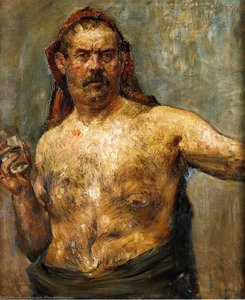 Self Portrait with a Glass1907

Homeric Laughter, First Version 관련 에세이
 19th Century Masterpieces: 10 Paintings That Defined an Era | OriginalUniqueArtJourney through 19th century art with OriginalUniqueArt! Explore 10 iconic paintings – from Monet & Renoir to Courbet – and discover the st…
 Romantic Realism's Finest: 10 Masterpieces for Your Home | OriginalUniqueArtExplore 10 defining masterpieces of Romantic Realism! Discover Courbet, Millet & Daumier's powerful paintings—capturing emotion and social …
 Lovis Corinth: Bridging Impressionism & Expressionism – A Study of Artistic EvolutionExplore the fascinating artistic journey of Lovis Corinth, a pivotal figure bridging Impressionism & Expressionism. Discover his evolution,…