
 미리보기
미리보기
 공유하기
공유하기 공유하기
공유하기
 상세 정보
상세 정보

 다운로드
다운로드
 유사 작품
유사 작품 X-레이
X-레이 슬라이드 쇼
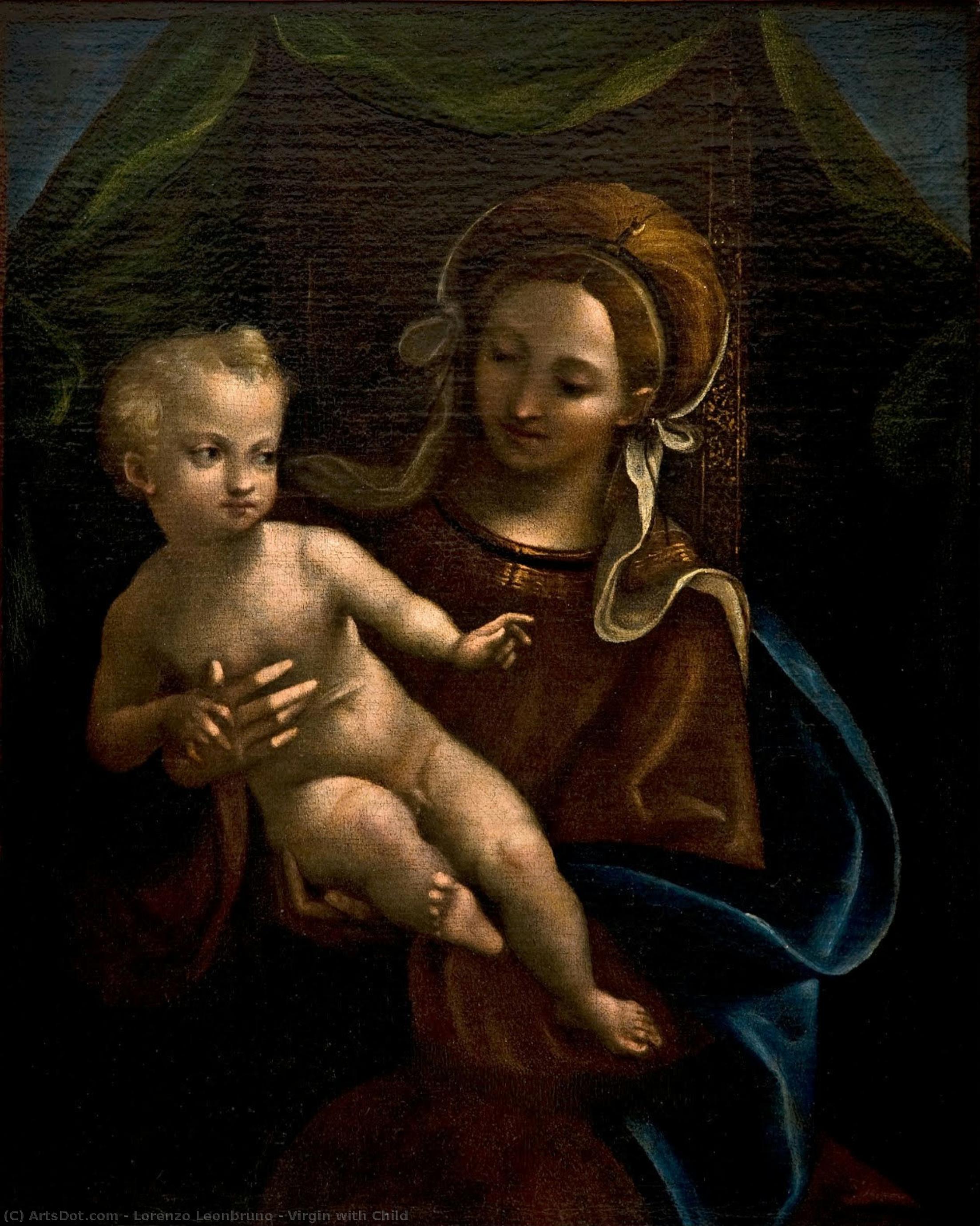
Virgin with Child


 더 보기
더 보기
온라인 미리보기보다 훨씬 뛰어난 품질의 고해상도 디지털 이미지를 구매해 보세요.
각 파일은 사내 전문가가 고급 도구와 숙련된 수동 리터칭 기술을 사용하여 세심하게 준비합니다. 우리는 모든 이미지가 탁월한 선명도, 정확한 색상 재현력, 그리고 미세한 디테일까지 완벽하게 갖추도록 보장합니다.
최종 파일은 전문적인 편집 및 인쇄 환경에서 즉시 사용할 수 있도록 최적화되어 72시간 이내에 이메일로 발송됩니다. 이는 세계적인 디자인 스튜디오, 출판사 및 갤러리가 신뢰하는 것과 동일한 품질입니다.
디지털 이미지
개인 소장 및 전시, 인쇄, 창작 프로젝트를 위한 고해상도 파일을 다운로드하세요. ( 프린트 주문으로 전환 수제 페인팅으로 전환하기)
모든 디지털 이미지 주문에 포함된 혜택
전문적인 디지털 이미지 전송 보장
OriginalUniqueArt.com를 선택하시면 단순히 이미지를 받는 것을 넘어, 정밀한 보정 과정을 거친 전문적인 디지털 예술 작품을 만나보실 수 있습니다. 모든 작품에는 만족 보장 서비스가 함께 제공되며, 주문 시 다음과 같은 사항들이 자동으로 포함됩니다:

빠른 이메일 전송
주문 후 72시간 이내에 고해상도 디지털 이미지 파일이 이메일로 발송되며, 즉시 사용하실 수 있습니다.

AI 기술로 향상된 디지털 파일
귀하의 작품은 고급 AI 도구와 수동 편집 과정을 거쳐 전문적으로 최적화되며, 이를 통해 디테일과 선명도, 색상의 정확도를 극대화합니다.

평생 무료 재전송 서비스
파일을 실수로 삭제하거나 분실하셨나요? 걱정 마세요. 언제든 무료로 다시 보내드립니다.

추가 수입 비용 없음 - 언제나
관세나 부가세, 배송비 부담 없이 작품을 즉시 감상하세요 - 디지털 다운로드는 언제나 면세 혜택이 적용됩니다.

정확한 색상 보장
전문적인 도구와 색상 관리 시스템을 통해 디지털 이미지가 원본의 색상을 최대한 정확하게 구현하도록 보장합니다.

60일 만족 보장제
구매하신 디지털 이미지에 만족하지 못하실 경우, 60일 이내에 수정 또는 100% 환불을 진행해 드립니다 - 어떠한 문의도 필요 없습니다.

100% 환불 보장
만족하지 못하셨나요? 디지털 파일을 수령하신 후 60일 이내라면 별도의 이유를 밝힐 필요 없이 전액 환불해 드립니다.

대량 주문 할인
이미지 3매 구매 시 10% 할인 - 5매 구매 시 15% 할인 - 10매 이상 구매 시 20% 할인. 크리에이티브 프로젝트, 갤러리, 에이전시에 매우 유용합니다.
작가 소개
Lorenzo Leonbruno: The Gonzaga Court’s Master of Myth and Grace
Lorenzo Leonbruno (March 10, 1489 – circa 1537), also known as Lorenzo de Leombeni, stands as a pivotal figure in the early Renaissance of Northern Italy. Born in Mantua, a vibrant commune within Lombardy, his life was inextricably linked to the powerful Gonzaga family and their magnificent court. Leonbruno’s artistic journey wasn't one of solitary brilliance; rather, it unfolded through a rich tapestry of mentorship, apprenticeship, and ultimately, establishing himself as the favored painter for three generations of marquises. His legacy rests not just on individual masterpieces but on his profound influence, absorbing and transforming the styles of Mantegna, Perugino, and Costa into a uniquely expressive voice that defined the Gonzaga court’s visual identity.Early Training and the Shadow of Mantegna
Leonbruno's early life remains somewhat shrouded in mystery, lacking extensive documentation. However, his artistic development is inextricably tied to the legacy of Andrea Mantegna, a titan of Renaissance art who had served as court painter for Lodovico Gonzaga, the founder of the dynasty that would later commission Leonbruno. Mantegna’s frescoes within the Palazzo Ducale at Mantua – depicting scenes from classical mythology and biblical narratives – profoundly shaped Leonbruno's artistic sensibilities. It is believed that Leonbruno was adopted into Mantegna’s workshop, receiving a rigorous training in fresco technique, composition, and the meticulous rendering of detail characteristic of the master. This formative period instilled within him an appreciation for classical motifs, dramatic perspective, and a deep understanding of how to imbue narrative with emotional resonance. The sudden death of Mantegna in 1506 marked a significant turning point, prompting the Gonzaga family to seek replacements for their beloved court painter.Service to the Gonzaga Court: A Patron’s Vision
Leonbruno's career truly blossomed under the patronage of Francesco I Gonzaga and his wife Isabella d'Este. He quickly ascended to become the primary artist responsible for decorating the Gonzaga palace in Mantua, a role he held with unwavering dedication for nearly two decades. This period witnessed an extraordinary outpouring of artistic activity, transforming the palace into a visual testament to the family’s power, wealth, and refined taste. Leonbruno's commissions were vast and varied, encompassing elaborate frescoes, decorative panels, and intricate mythological scenes – all designed to adorn the palatial interiors and reflect the grandeur of the Gonzaga court. Isabella d'Este, in particular, became a significant patron, recognizing Leonbruno’s talent and commissioning works that celebrated her own status and refined aesthetic sensibilities. The Camera Grande, a lavish chamber within the palace, stands as his most enduring achievement, a breathtaking fresco cycle depicting mythological subjects rendered with remarkable grace and dynamism.Influences and Artistic Style
Leonbruno’s artistic style is a fascinating synthesis of influences. While deeply indebted to Mantegna – evident in his use of perspective, dramatic lighting, and classical subject matter – he also absorbed elements from Perugino's refined elegance and Costa’s more dynamic approach. His works are characterized by a meticulous attention to detail, particularly in the rendering of drapery and facial features. Leonbruno skillfully blended these influences into a distinctive style that is both elegant and emotionally charged. His mythological scenes often feature a heightened sense of drama and narrative intensity, while his religious paintings exude a serene beauty and spiritual depth. The incorporation of hunting motifs – a popular theme within the Gonzaga court – adds a layer of aristocratic sensibility to his work.Legacy and Notable Works
Despite the scale of his output during his time at Mantua, Leonbruno’s surviving oeuvre remains relatively small. However, each piece offers a valuable glimpse into his artistic development and technical mastery. The *Adoration of the Shepherds* (Worcester Art Museum) is considered one of his finest works, showcasing his ability to create a dynamic composition filled with vibrant color and expressive figures. His *Virgin with Child*, also housed in Worcester, exemplifies his skill in portraying human emotion and creating a sense of intimacy. The *Dormition of the Virgin* (a work often attributed to Arcimboldo but now recognized as Leonbruno’s) demonstrates his ability to integrate complex symbolism into a visually compelling narrative. Beyond these key works, Leonbruno's contributions to the decoration of the Palazzo Ducale and other Gonzaga residences remain significant, shaping the visual landscape of Mantua for generations to come. Lorenzo Leonbruno’s legacy endures as a testament to the power of patronage, artistic apprenticeship, and the enduring beauty of Renaissance art.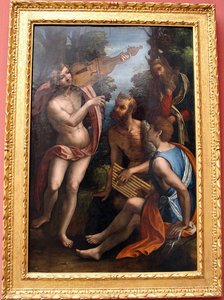
Lorenzo Leonbruno
1480 - 1537 , Italy
주요 정보
- Artistic Movement Or Style: Early Renaissance
- Artists Or Movements Influenced By This Artist: ['Mantua School']
- Artists Who Influenced This Artist:
- Andrea Mantegna
- Pietro Perugino
- Date Of Birth: March 10, 1489
- Date Of Death: 1537
- Full Name: Lorenzo Leonbruno
- Nationality: Italian
- Notable Artworks:
- Adoration of Shepherds
- Dormition of the Virgin
- Virgin with Child
- Place Of Birth: Mantua, Italy

