
 실제 크기로 보기
 보내기
보내기 공유하기
공유하기
 상세 보기
상세 보기 가이드 보기

 이미지 다운로드
 유사 작품 더 보기
 X-레이
X-레이 슬라이드 쇼 보기
 Q&A
Q&A 통계 정보
통계 정보Purple Air VI -15


 상세 보기
상세 보기
이 페이지에 표시된 작품은 저작권법의 보호를 받으며, 이에 따라 동일한 복제품을 제작하거나 판매하는 것은 법으로 금지되어 있습니다. 이러한 권리 보호는 다음과 같은 국제 협약에 따라 시행됩니다. 베른 협약 또한 다음에서 명시하는 법률을 포함한 국내법에 의해 보호됩니다. 미국 저작권법 제17조.
이 방식은 저작권 보호를 받는 예술 작품을 복제하거나 그대로 재현하는 것이 아니기에 저작권 규정을 완벽히 준수합니다. 대신, 이는 창의적인 재해석의 과정을 거칩니다. 즉, 원작에서 영감을 받되 원작과 동일하지 않은 새로운 회화 작품을 의미합니다.
지클레 / 아트 프린트
빠른 제작과 다양한 마감 옵션을 선택할 수 있는 박물관 수준의 지클레이 및 캔버스 프린트. ( 수작업 채색 복제본 주문하기 디지털 이미지 판매 채널로 전환)




P118B ₩10

P118H ₩10

P118W ₩10

P438Z ₩10

P508JH ₩12

P508YH ₩12

P805H ₩10

P805Z ₩10

P919BZ ₩10

P919G ₩10

P919XJ ₩10

P959ZH ₩10

P968JZ ₩12

W106C ₩8

W218G ₩10

W218JH ₩8

W218Y ₩10

W307PJ ₩10

W316G ₩10

W316PJ ₩8

W316Y ₩10

W398PJ ₩8

W4111J ₩10

W500HY ₩15

W500JH ₩15

W692G ₩12

W849H ₩8

W940BG ₩15

W953PJ ₩8




작품의 원본 비율을 그대로 유지하는 프리셋 사이즈 중에서 선택해 보세요.

액자나 벽면 크기에 맞춰 필요한 가로와 세로 길이를 입력해 주세요. 프린트는 원본 이미지보다 크게 제작할 수 없으며 오직 자르는 것만 가능하므로, 비율이 다른 사이즈를 선택할 경우 이미지의 일부가 잘려 나갈 수 있습니다. 인쇄 작업에 들어가기 전, 최종 확인을 위해 디지털 목업을 보내드립니다. 이 페이지에 표시된 이미지는 실제 잘리는 영역을 나타내지 않으며, 오직 목업을 통해서만 정확한 확인이 가능합니다.


 유리 옵션은 110cm 미만 크기에서만 선택 가능합니다.

Purple Air VI -15
지클레 / 아트 프린트
복제본 규격
-


총 결제 금액
₩ 107889
작가 소개
A Cartography of Chaos: The World of Liu Wei
Born in Beijing in 1972, Liu Wei emerged from a China undergoing seismic transformation—a period defined by breakneck urbanization, economic upheaval, and a burgeoning sense of cultural anxiety. This context is not merely biographical detail for Liu; it’s the very bedrock upon which his artistic practice is built. He isn't simply *representing* this change, but actively dissecting its contradictions, anxieties, and absurdities through a remarkably diverse body of work encompassing painting, sculpture, video installation, and drawing. Early on, after graduating from the China Academy of Art in Hangzhou in 1996, Liu experienced what he describes as a period of artistic gestation—a time of experimentation following years spent producing more conventional oil paintings. This post-graduate phase proved crucial, allowing him to shed established norms and embrace a radical fluidity in his approach. He began exploring the human body through video projects, works that were intuitive and impulsive, yet hinted at the themes that would come to define his mature style: alienation, fragmentation, and the precariousness of identity.From Impulsive Beginnings to Systemic Critique
The late 1990s saw Liu Wei become a key figure in the “Post-Sense Sensibility” movement—a group of artists challenging prevailing artistic trends with subversive explorations of the body and its relationship to a rapidly changing society. This period was formative, fostering a collaborative spirit and a willingness to confront uncomfortable truths. However, it was his participation in the 2003 Shenzhen International Public Art Exhibition that proved pivotal. Initially envisioning an ambitious installation involving an airplane boarding bridge—a symbol of global connectivity and aspiration—Liu encountered the frustrating realities of bureaucratic obstacles and logistical limitations. This experience became a defining moment, revealing to him the inherent “systems” governing everyday life and their capacity to stifle creative expression. It marked a shift towards a more pragmatic approach, one focused on dissecting the materials and structures that constitute this very system. This frustration birthed a fascination with found objects—items imbued with pre-existing meaning and cultural baggage—which he began recontextualizing in startling and often unsettling ways.The Language of Excess: Materials and Meaning
Liu Wei’s work is characterized by an almost deliberate embrace of excess, corruption, and aggression. This isn't gratuitous shock value; rather, it’s a reflection of the cultural anxieties simmering beneath the surface of China’s economic boom. The “Super Structure” series—intricate model cityscapes constructed from dog chews—is perhaps his most iconic work. These miniature metropolises, built from brightly colored, mass-produced objects associated with consumerism and pet ownership, are simultaneously alluring and repulsive. They evoke a sense of playful chaos, yet also hint at the fragility and artificiality of urban development. Similarly, his “Purple Air” paintings—stylized depictions of skyscrapers bathed in an unnatural violet hue—capture the dreamlike quality of contemporary cities while subtly undermining their grandeur. The use of color is deliberate; the purple evokes a sense of unease, suggesting something synthetic and otherworldly. Other series, like the “Landscape Series,” composed from photographic composites of human buttocks, are deliberately provocative, challenging conventional notions of beauty and representation. Even his more outlandish creations—such as *Indigestion II*, a two-meter model turd—serve to disrupt expectations and force viewers to confront uncomfortable realities about consumption and waste.International Recognition and Lasting Impact
Liu Wei’s work has garnered international acclaim, featured in major exhibitions at institutions like the Guggenheim Museum in New York, the Venice Biennale, and the Ullens Center for Contemporary Art in Beijing. He received the Atron AAC Award for Artist of the Year in 2016, solidifying his position as a leading figure in contemporary Chinese art. His participation in these global forums has not only broadened his audience but also facilitated a deeper understanding of the complex socio-political issues at play within China’s rapidly evolving landscape. Conceptualism, satire, and humor are hallmarks of his practice, allowing him to address sensitive topics with both wit and incisiveness. He doesn't offer easy answers or didactic pronouncements; instead, he presents viewers with a fragmented and often unsettling vision of the world, prompting them to question their own assumptions and biases. His influence extends beyond the realm of visual art, inspiring dialogue about urbanization, consumerism, and the cultural anxieties that define our time.A Continuing Exploration
Liu Wei continues to live and work in Beijing, relentlessly pushing the boundaries of his artistic practice. His recent works demonstrate a continued fascination with materials, systems, and the contradictions inherent in contemporary society. He remains committed to exploring the complexities of the urban landscape, challenging conventional notions of beauty and representation, and prompting viewers to confront uncomfortable truths about the world around them. His art is not simply a reflection of China’s transformation; it's an active interrogation of its underlying structures—a cartography of chaos that reveals both the allure and the anxieties of a nation in perpetual flux.
Liu Wei
1972 - , China
작가 정보 요약
- Artistic Movement Or Style: Conceptual Art, Satire
- Date Of Birth: 1972
- Full Name: Liu Wei
- Nationality: Chinese
- Notable Artworks:
- Super Structure series
- Purple Air paintings
- Landscape Series
- Indigestion II
- Place Of Birth: Beijing, China
관련 기사

Mastering Abstraction: The 25 Most Iconic Works by Wassily Kandinsky
Explore 25 iconic Kandinsky masterpieces and the birth of abstraction. Discover the full collection online at OriginalUniqueArt.com.

기하학적 추상 미술을 정의한 명작 10가지 | OriginalUniqueArt.com
몬드리안, 말레비치 등 거장들의 기하학적 추상 미술 명작 10선을 만나보세요. 각 작품의 예술사적 의미와 색채, 구성을 탐구하고 OriginalUniqueArt.com에서 고품질 아트 프린트를 소장하세요. 지금 바로 온라인 컬렉션을 확인하세요!

추상표현주의를 정의한 10대 걸작: 예술과 인테리어의 새로운 영감
추상표현주의의 심장을 뛰게 한 10대 걸작을 만나보세요. 폴록, 로스코 등 거장의 작품 비하인드 스토리와 예술적 영감을 OriginalUniqueArt에서! 지금 바로 미술품 컬렉션을 탐험하고, 당신의 공간에 특별한 예술적 감성을 더하세요. OriginalUniqueArt.com
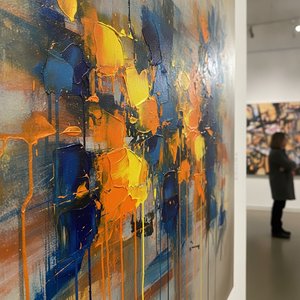
Beyond the Lines: Mastering the High-Impact World of Contemporary Abstraction
Master the high-impact world of contemporary abstraction. Discover how bold colors, textures, and modern movements like Abstract Expressionism can transform your space with premium, high-energy art curated for the design-conscious professional.
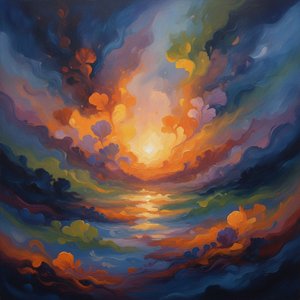
The Soul of Color: A Journey into the Emotional Resonance of Lyrical Abstraction
Embark on a cultural journey through Lyrical Abstraction. Explore how masters like Kandinsky used color and motion to translate emotion into visual poetry. Discover the profound beauty of abstract expressionism and learn to curate emotional resonance in your own art collection.