

 미리보기
미리보기
 공유하기
공유하기 공유하기
공유하기
 상세 정보
상세 정보

 다운로드
다운로드
 유사 작품
유사 작품 X-레이
X-레이 슬라이드 쇼
studyes-Studies for a Nativity

 더 보기
더 보기
지클레 / 아트 프린트
빠른 제작과 다양한 마감 옵션을 제공하는 박물관 품질의 지클레이 또는 캔버스 프린트. ( 손으로 그린 그림 구매 이미지 구매)




P118B $10

P118H $10

P118W $10

P438Z $10

P508JH $12

P508YH $12

P805H $10

P805Z $10

P919BZ $10

P919G $10

P919XJ $10

P959ZH $10

P968JZ $12

W106C $8

W218G $10

W218JH $8

W218Y $10

W307PJ $10

W316G $10

W316PJ $8

W316Y $10

W398PJ $8

W4111J $10

W500HY $15

W500JH $15

W692G $12

W849H $8

W940BG $15

W953PJ $8




작품의 원본 비율을 유지하는 미리 설정된 크기 중에서 선택하세요.

특정 프레임이나 공간에 맞춰 직접 치수를 입력하실 수 있습니다. 선택하신 사이즈가 원본 이미지의 비율과 일치하지 않을 경우, 작품을 크롭(자르기)하거나 이미지를 대칭 또는 단색 채우기로 확장하여 제작합니다. 제작 시작 전, 최종 확인을 위해 디지털 목업이 전송됩니다.
화면상의 미리보기는 실제 크롭이나 확장 상태를 반영하지 않으므로, 최종 구도는 오직 목업을 통해서만 정확하게 확인하실 수 있습니다.
맞춤 사이즈 제작도 가능하지만, 원본 비율을 유지하기 위해서는 사전 정의된 목록에서 치수를 선택하시는 것을 권장합니다.


 유리 옵션은 110cm 미만 크기에서만 선택 가능합니다.

studyes-Studies for a Nativity
지클레 / 아트 프린트
복제본 크기
-


최종 결제 금액
$ 80
A Moment Frozen in Time: Leonardo da Vinci’s Studies for a Nativity
Leonardo da Vinci's "Studies for a Nativity," housed within the Web Gallery of Art, transcends mere depiction; it embodies the very essence of Renaissance artistic inquiry. This unassuming sketch—a preparatory drawing executed around 1495-1496—offers an unparalleled glimpse into the mind of one of history’s greatest innovators and artists. It's not simply a visual representation of biblical iconography but rather a testament to Da Vinci’s meticulous observation of nature and his relentless pursuit of anatomical accuracy, foreshadowing techniques that would revolutionize painting centuries later.The Anatomy Beneath the Surface
Da Vinci’s fascination with human anatomy extended far beyond artistic considerations. He dissected cadavers—a controversial practice at the time—to gain a profound understanding of musculature and skeletal structure. This knowledge is palpable in these studies, where he painstakingly rendered the contours of the human torso, capturing subtle nuances of muscle placement that would become hallmarks of his monumental works like “The Last Supper.” The drawing isn’t merely about portraying the figure; it's about reconstructing its inner workings—a demonstration of Da Vinci’s belief that art should illuminate scientific truth.Sfumato: Mastering Atmospheric Perspective
Da Vinci perfected the technique known as sfumato, meaning "smoked" or "blurred," which he famously employed in “Mona Lisa.” This revolutionary approach involved layering translucent glazes to soften edges and create an illusion of depth and atmosphere—a masterful manipulation of light and shadow that renders forms incredibly realistic. While visible in this preparatory sketch, the sfumato technique is less pronounced than in his finished masterpieces. However, it’s evident in the delicate gradations of tone across the woman's drapery and skin, hinting at Da Vinci’s intention to achieve a similar luminous effect in his final composition—the Virgin of the Rocks.Symbolism Rooted in Faith
The subject matter itself – Mary holding Jesus – speaks volumes about Renaissance spirituality. The pose of Mary, kneeling humbly before Christ, reflects the piety and devotion prevalent during the period. Her hand raised in benediction symbolizes grace and divine blessing, conveying a profound message of faith and humility. The inclusion of two dogs—a common motif in Renaissance art—represents loyalty and guardianship, mirroring the protective role of God over humanity. Furthermore, the bird perched atop the Virgin’s head is often interpreted as symbolizing the Holy Spirit, signifying divine inspiration and spiritual enlightenment.Emotional Resonance: A Window into Da Vinci's Vision
“Studies for a Nativity” isn’t merely an academic exercise; it possesses a palpable emotional resonance. The drawing captures a moment of serene contemplation—a quiet intimacy between mother and child—that speaks to the universal themes of love, compassion, and faith. It exemplifies Da Vinci’s ability to distill complex ideas into simple yet powerfully evocative imagery. Viewing this sketch allows us to appreciate not only Da Vinci's artistic prowess but also his humanist worldview—his unwavering belief in the beauty and dignity of human existence.작가 약력
르네상스의 거장, 레오나르도 다 빈치: 예술과 과학의 경계를 허문 천재
레오나르도 다 빈치는 1452년 이탈리아 토스카나 지방 빈치 마을 근처에서 태어난 인물로, 단순한 화가를 넘어 예술, 과학, 공학 등 다양한 분야에 걸쳐 혁혁한 업적을 남긴 불세출의 천재였습니다. 정식 교육보다는 자연과의 교감을 통해 얻은 직관과 끊임없는 탐구 정신이 그의 삶과 작품 전반에 깊숙이 스며들어 있습니다. 아버지 피에로 다 빈치의 기록 보관소에서 접한 학문적 지식과, 주변 자연환경 속에서 길러진 관찰력은 레오나르도를 예술가이자 과학자로 성장하는 데 결정적인 영향을 미쳤습니다. 15세 무렵에는 뛰어난 화가이자 조각가인 안드레아 델 베로치오의 도제 수업을 시작하며 본격적으로 예술가의 길을 걷게 되었습니다. 베로치오의 작업실에서 레오나르도는 금속 공예, 목공, 데생 등 다양한 기술들을 습득하며 예술적 기반을 다졌으며, 그의 천재성은 곧바로 드러나기 시작했습니다. 베로치오마저도 그의 재능에 감탄하여 붓을 놓았다는 이야기는 레오나르도의 뛰어난 역량을 증명하는 일화로 남아있습니다.밀라노 시대: 예술과 공학의 융합
1482년, 레오나르도는 밀라노 공작 루도비코 스포르차의 궁정 화가가 되어 새로운 장을 열었습니다. 단순히 그림을 그리는 것 이상의 역할을 맡은 그는 군사 엔지니어, 건축가, 조각가, 무대 디자이너 등 다방면에서 활약하며 자신의 다재다능함을 유감없이 발휘했습니다. 혁신적인 요새 설계, 화려한 궁정 행사 연출, 그리고 상상 속의 기계 장치 스케치까지, 그의 손길이 닿는 모든 분야에서 창의성이 빛났습니다. 특히 이 시기에 제작된 “최후의 만찬”은 레오나르도의 대표작 중 하나로, 종교화에 새로운 가능성을 제시하며 서양 미술사에 큰 영향을 미쳤습니다. 예수 그리스도가 마지막 식사 자리에서 제자들에게 предательство(배신)를 암시하는 순간을 포착한 이 작품은 인물들의 표정과 몸짓을 통해 인간의 심리를 섬세하게 드러내고 있습니다. 또한, 원근법과 구도에 대한 혁신적인 시도는 당시 미술계에 새로운 지평을 열었습니다.피렌체 회귀와 완벽주의의 추구: 모나리자의 탄생
밀라노 공작이 몰락한 후 레오나르도는 피렌체로 돌아왔고, 이곳에서 그의 또 다른 걸작 “모나리자”가 탄생하게 됩니다. 1503년부터 약 16년 동안 작업한 이 초상화는 미스터리한 미소와 신비로운 분위기로 전 세계인의 마음을 사로잡았습니다. 레오나르도가 개발한 ‘스푸마토’ 기법은 인물의 윤곽선을 흐릿하게 표현하여 마치 안개 속에 있는 듯한 몽환적인 느낌을 자아냅니다. 이는 빛과 그림자의 미묘한 변화를 통해 사실감을 극대화하는 동시에, 보는 이의 상상력을 자극하는 효과를 불러일으킵니다. 또한, 해부학적 지식을 바탕으로 인체의 비율과 형태를 정확하게 묘사하여 작품의 완성도를 높였습니다. “모나리자”는 단순한 초상화를 넘어 인간 존재의 본질을 탐구하는 철학적인 메시지를 담고 있다는 평가를 받으며, 오늘날까지도 수많은 논쟁과 해석을 불러일으키고 있습니다.예술과 과학의 융합: 불완전했던 천재의 유산
레오나르도의 후기에는 로마와 프랑스를 거치며 다양한 프로젝트에 참여했지만, 그의 완벽주의적인 성격과 끊임없는 호기심은 종종 작품을 미완으로 남기는 원인이 되었습니다. 그러나 그는 예술 활동뿐만 아니라 해부학, 광학, 수리학, 지질학 등 과학 분야에도 깊이 몰두하며 방대한 연구 자료를 남겼습니다. 그의 노트에는 인체 구조에 대한 정밀한 드로잉, 비행 기계 설계도, 무기 개발 아이디어, 식물과 동물의 관찰 기록 등이 가득합니다. 이러한 과학적 탐구는 그의 예술 작품에도 영향을 미쳐, 자연을 더욱 정확하게 묘사하고 인간의 심리를 깊이 있게 표현하는 데 기여했습니다. 1519년 프랑스에서 세상을 떠난 레오나르도 다 빈치는 짧은 생애 동안 예술과 과학 분야에 지대한 공헌을 남겼으며, 그의 유산은 오늘날까지도 끊임없이 연구되고 재해석되며 영감을 불어넣고 있습니다.레오나르도 다 빈치의 주요 업적
- 대표적인 회화 작품: “최후의 만찬”, “모나리자”, “동방 박사의 경배”, “성 안나와 성 모자”
- 과학 및 공학 분야 연구: 해부학, 광학, 수리학, 지질학, 비행 기계 설계, 무기 개발 아이디어
- 예술 사조에 미친 영향: 르네상스 미술의 발전, 스푸마토 기법의 창시, 인체 표현의 혁신
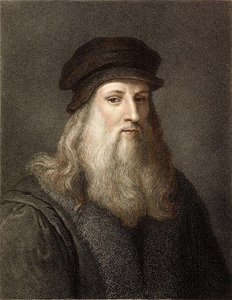
레오나르도 다 빈치
1452 - 1519 , 이탈리아
주요 정보
- 국적: 이탈리아인
- 영향을 받은 예술 사조: ['르네상스 미술']
- 영향을 준 예술가: ['안드레아 델 베로치오']
- 예술 사조: 고대 르네상스
- 전체 이름: 레오나르도 다 빈치
- 주요 작품:
- 모나리자
- 최후의 만찬
- 비트루비우스 인간
- 출생일: 1452년 4월 15일
관련 기사 더 보기
레오나르도 다 빈치 최고 걸작 25선: 예술과 과학의 경계를 넘어서 (Leonardo da Vinci's 25 Masterpieces)
레오나르도 다 빈치의 시대를 초월하는 25개의 명작을 만나보세요. 모나리자, 최후의 만찬 등 예술과 과학이 융합된 걸작들의 숨겨진 이야기와 기법을 탐험합니다. OriginalUniqueArt.com에서 고품질 미술 작품을 감상하고 특별한 인테리어 영감을 얻으세요.
Leonardo da Vinci: A Renaissance Master’s Synthesis of Art, Science & Human Observation – Reinterpreted for the Collector
Explore Leonardo da Vinci’s timeless masterpieces with OriginalUniqueArt. Discover insights into his art, science, and legacy – trusted expertise for discerning collectors seeking authentic reproductions & investment opportunities.

루브르 박물관 최고 걸작 25선: 예술과 역사의 숨결을 담아 (Louvre Masterpieces)
루브르 박물관 최고 걸작 25선을 만나보세요. 모나리자, 빈센트 반 고흐 등 유명 화가들의 숨겨진 이야기와 예술 기법을 탐험하고, 프랑스 미술의 정수를 느껴보세요. OriginalUniqueArt.com에서 고품질 미술 복제품과 인테리어 아이디어를 찾아보세요.
Renaissance Humanism's Greatest Art: 10 Masterpieces for Your Home
Explore 10 Renaissance Humanism masterpieces by Leonardo da Vinci, Michelangelo & Raphael. Discover the stories behind these iconic paintings & sculptures and bring timeless art into your home with museum-quality reproductions from OriginalUniqueArt.com. Explore the full collection online!
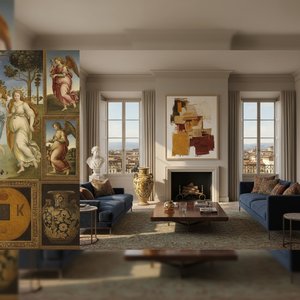
피렌체 우피치 미술관 최고 걸작 25선: 예술과 역사의 숨결을 담아
피렌체 우피치 미술관 최고 걸작 25선을 만나보세요. 빈치, 보티첼리, 미켈란젤로 등 거장들의 숨겨진 이야기와 르네상스 회화의 아름다움을 탐험합니다. OriginalUniqueArt.com에서 명화 복제본과 예술 작품 인테리어 아이디어를 찾아보세요.



