실제 크기로 보기
 보내기
보내기 공유하기
공유하기
 상세 보기
상세 보기 가이드 보기

 이미지 다운로드
 유사 작품 더 보기
 X-레이
X-레이 슬라이드 쇼 보기
 통계 정보
통계 정보Study for the Burlington House Cartoon
 Charcoal
- WallArt
- High Renaissance
 1503
1503- Late Medieval
 260.0 x 197.0 cm
 브리티시 박물관
 상세 보기
상세 보기
핸드메이드 유화 복제화
작가가 직접 캔버스에 손으로 그린 유화 작품으로, 원하는 크기와 액자로 맞춤 제작해 드립니다. ( 프린트 판매로 전환 디지털 이미지 판매 채널로 전환)




P118B $10

P118H $10

P118W $10

P438Z $10

P508JH $12

P508YH $12

P805H $10

P805Z $10

P919BZ $10

P919G $10

P919XJ $10

P959ZH $10

P968JZ $12

W106C $8

W218G $10

W218JH $8

W218Y $10

W307PJ $10

W316G $10

W316PJ $8

W316Y $10

W398PJ $8

W4111J $10

W500HY $15

W500JH $15

W692G $12

W849H $8

W940BG $15

W953PJ $8




작품의 원본 비율을 그대로 유지하는 프리셋 사이즈 중에서 선택해 보세요.

특정 프레임이나 공간에 맞춰 원하는 크기를 직접 입력하실 수 있습니다. 선택하신 크기가 원본 이미지의 비율과 일치하지 않을 경우, 작품을 자르거나 추가적인 수작업 요소를 더해 그림을 확장하여 제작합니다. 제작 시작 전, 최종 확인을 위해 디지털 목업을 보내드립니다.
화면상의 미리 보기는 실제 크롭(자르기)이나 확장된 상태를 완벽히 반영하지 않을 수 있습니다. 최종 구도는 오직 목업을 통해서만 정확하게 확인하실 수 있습니다.
맞춤 크기 제작도 가능하지만, 원본의 비율을 그대로 유지하기 위해서는 미리 정의된 목록에서 크기를 선택하시는 것을 권장합니다.
주문 완료 후 OriginalUniqueArt.com 팀에서 상세 안내를 위해 고객님께 이메일을 보내드리며, 미리보기 시안을 함께 제공해 드립니다.


 유리 옵션은 110cm 미만 크기에서만 선택 가능합니다.

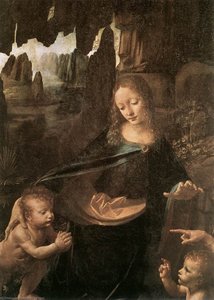
Study for the Burlington House Cartoon
재현 매체
복제본 규격
-


총 결제 금액
$ 400
Leonardo da Vinci’s “Study for the Burlington House Cartoon”: A Glimpse into Genius
Leonardo da Vinci's "Study for the Burlington House Cartoon," a preparatory drawing executed in 1503, offers an extraordinary window into the mind of one of history’s most profound thinkers. More than just a sketch, it’s a vibrant testament to his relentless curiosity and masterful draftsmanship—a raw, exploratory work brimming with potential that hints at the monumental paintings yet to come. This particular study, rendered in charcoal and chalk on paper, isn't intended for polished perfection; rather, it embodies da Vinci’s process of invention, capturing movement, gesture, and the very essence of human interaction with breathtaking immediacy. The drawing’s significance lies not just in its artistic merit but also as a crucial document illuminating his creative journey.
The composition itself is remarkably complex, densely populated with figures—a family group centered around a young Christ Child, accompanied by Saint Anne and Saint John the Baptist. Yet, it's far from a static portrait; instead, it’s a dynamic tableau of interconnected relationships, imbued with a subtle narrative tension. The arrangement feels deliberately theatrical, reminiscent of Renaissance courtly scenes where allegorical figures conveyed moral or religious messages. While definitive interpretations remain elusive – da Vinci often layered symbolic meaning into his work – the drawing undeniably speaks to themes of family, faith, and divine grace.
Technique and Materiality: A Dance of Charcoal and Gesture
Da Vinci’s technique in this study is characterized by a remarkable fluidity and spontaneity. The lines are not precise or meticulously rendered; instead, they possess a gestural quality, conveying movement and volume through hatching and cross-hatching—a masterful manipulation of tonal variation. This approach prioritizes capturing the *feeling* of form over achieving photographic realism. Notice how the varying densities of charcoal create a palpable sense of texture, mimicking the roughness of paper and suggesting the weight and physicality of the figures. The use of chalk adds to this textural richness, creating subtle highlights and shadows that further define the forms.
The drawing’s surface is equally important. The visible grain of the paper itself contributes to the overall tactile quality, inviting the viewer to imagine the artist's hand moving across it with speed and confidence. It’s a testament to da Vinci’s understanding of materials—he wasn’t simply applying pigment; he was engaging in a dialogue with the medium, allowing its inherent qualities to inform his artistic vision. The loose, sketchy nature of the drawing is entirely deliberate, reflecting da Vinci's preference for capturing the *process* of creation rather than striving for an idealized representation.
Historical Context and Symbolism
Created in 1503, during a period of intense artistic innovation in Florence, this “Study” provides valuable insight into da Vinci’s working methods. It's believed to be one of several preparatory drawings he created for the larger "Virgin and Child with Saint Anne" project commissioned by Louis XII of France. The drawing itself is considered a ‘cartoon,’ a full-scale preliminary sketch used as a guide for the final painting – a common practice in Renaissance art. The composition draws upon established iconography, particularly the theme of the “Trinitarian Saint Anne,” which emphasized the familial connection between Mary, Anne, and Christ.
Interestingly, the drawing departs from some conventional depictions by omitting the figure of St. John the Baptist, a detail that suggests da Vinci was experimenting with different compositional arrangements and exploring alternative ways to convey the narrative. The placement of figures—particularly the twisting postures of Mary and Saint Anne—creates a dynamic visual rhythm, mirroring the complex relationships within the family group. The subtle gestures and expressions on their faces hint at unspoken emotions – tenderness, concern, and perhaps even a touch of familial tension.
A Reproduction for Art Lovers and Collectors
OriginalUniqueArt is proud to offer meticulously hand-painted reproductions of Leonardo da Vinci’s “Study for the Burlington House Cartoon.” Our artists replicate the drawing's unique texture, tonal nuances, and gestural quality with exceptional skill, capturing the essence of da Vinci’s artistic vision. Available in a range of sizes, this reproduction provides an accessible way to experience one of the Renaissance master’s most captivating preparatory works. Whether you are an art enthusiast, a collector seeking a piece of history, or simply someone drawn to the beauty and complexity of da Vinci's genius, our hand-painted reproduction offers a stunning tribute to this extraordinary artist.
Explore the full artwork details and order your custom reproduction today: Study for the Burlington House Cartoon
작가 소개
르네상스의 거장, 레오나르도 다 빈치: 예술과 과학의 경계를 허문 천재
레오나르도 다 빈치는 1452년 이탈리아 토스카나 지방 빈치 마을 근처에서 태어난 인물로, 단순한 화가를 넘어 예술, 과학, 공학 등 다양한 분야에 걸쳐 혁혁한 업적을 남긴 불세출의 천재였습니다. 정식 교육보다는 자연과의 교감을 통해 얻은 직관과 끊임없는 탐구 정신이 그의 삶과 작품 전반에 깊숙이 스며들어 있습니다. 아버지 피에로 다 빈치의 기록 보관소에서 접한 학문적 지식과, 주변 자연환경 속에서 길러진 관찰력은 레오나르도를 예술가이자 과학자로 성장하는 데 결정적인 영향을 미쳤습니다. 15세 무렵에는 뛰어난 화가이자 조각가인 안드레아 델 베로치오의 도제 수업을 시작하며 본격적으로 예술가의 길을 걷게 되었습니다. 베로치오의 작업실에서 레오나르도는 금속 공예, 목공, 데생 등 다양한 기술들을 습득하며 예술적 기반을 다졌으며, 그의 천재성은 곧바로 드러나기 시작했습니다. 베로치오마저도 그의 재능에 감탄하여 붓을 놓았다는 이야기는 레오나르도의 뛰어난 역량을 증명하는 일화로 남아있습니다.밀라노 시대: 예술과 공학의 융합
1482년, 레오나르도는 밀라노 공작 루도비코 스포르차의 궁정 화가가 되어 새로운 장을 열었습니다. 단순히 그림을 그리는 것 이상의 역할을 맡은 그는 군사 엔지니어, 건축가, 조각가, 무대 디자이너 등 다방면에서 활약하며 자신의 다재다능함을 유감없이 발휘했습니다. 혁신적인 요새 설계, 화려한 궁정 행사 연출, 그리고 상상 속의 기계 장치 스케치까지, 그의 손길이 닿는 모든 분야에서 창의성이 빛났습니다. 특히 이 시기에 제작된 “최후의 만찬”은 레오나르도의 대표작 중 하나로, 종교화에 새로운 가능성을 제시하며 서양 미술사에 큰 영향을 미쳤습니다. 예수 그리스도가 마지막 식사 자리에서 제자들에게 предательство(배신)를 암시하는 순간을 포착한 이 작품은 인물들의 표정과 몸짓을 통해 인간의 심리를 섬세하게 드러내고 있습니다. 또한, 원근법과 구도에 대한 혁신적인 시도는 당시 미술계에 새로운 지평을 열었습니다.피렌체 회귀와 완벽주의의 추구: 모나리자의 탄생
밀라노 공작이 몰락한 후 레오나르도는 피렌체로 돌아왔고, 이곳에서 그의 또 다른 걸작 “모나리자”가 탄생하게 됩니다. 1503년부터 약 16년 동안 작업한 이 초상화는 미스터리한 미소와 신비로운 분위기로 전 세계인의 마음을 사로잡았습니다. 레오나르도가 개발한 ‘스푸마토’ 기법은 인물의 윤곽선을 흐릿하게 표현하여 마치 안개 속에 있는 듯한 몽환적인 느낌을 자아냅니다. 이는 빛과 그림자의 미묘한 변화를 통해 사실감을 극대화하는 동시에, 보는 이의 상상력을 자극하는 효과를 불러일으킵니다. 또한, 해부학적 지식을 바탕으로 인체의 비율과 형태를 정확하게 묘사하여 작품의 완성도를 높였습니다. “모나리자”는 단순한 초상화를 넘어 인간 존재의 본질을 탐구하는 철학적인 메시지를 담고 있다는 평가를 받으며, 오늘날까지도 수많은 논쟁과 해석을 불러일으키고 있습니다.예술과 과학의 융합: 불완전했던 천재의 유산
레오나르도의 후기에는 로마와 프랑스를 거치며 다양한 프로젝트에 참여했지만, 그의 완벽주의적인 성격과 끊임없는 호기심은 종종 작품을 미완으로 남기는 원인이 되었습니다. 그러나 그는 예술 활동뿐만 아니라 해부학, 광학, 수리학, 지질학 등 과학 분야에도 깊이 몰두하며 방대한 연구 자료를 남겼습니다. 그의 노트에는 인체 구조에 대한 정밀한 드로잉, 비행 기계 설계도, 무기 개발 아이디어, 식물과 동물의 관찰 기록 등이 가득합니다. 이러한 과학적 탐구는 그의 예술 작품에도 영향을 미쳐, 자연을 더욱 정확하게 묘사하고 인간의 심리를 깊이 있게 표현하는 데 기여했습니다. 1519년 프랑스에서 세상을 떠난 레오나르도 다 빈치는 짧은 생애 동안 예술과 과학 분야에 지대한 공헌을 남겼으며, 그의 유산은 오늘날까지도 끊임없이 연구되고 재해석되며 영감을 불어넣고 있습니다.레오나르도 다 빈치의 주요 업적
- 대표적인 회화 작품: “최후의 만찬”, “모나리자”, “동방 박사의 경배”, “성 안나와 성 모자”
- 과학 및 공학 분야 연구: 해부학, 광학, 수리학, 지질학, 비행 기계 설계, 무기 개발 아이디어
- 예술 사조에 미친 영향: 르네상스 미술의 발전, 스푸마토 기법의 창시, 인체 표현의 혁신
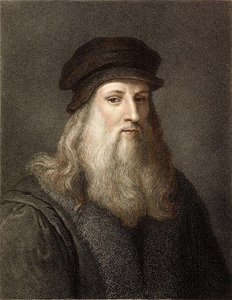
레오나르도 다 빈치
1452 - 1519 , 이탈리아
작가 정보 요약
- 국적: 이탈리아인
- 영향을 받은 예술 사조: ['르네상스 미술']
- 영향을 준 예술가: ['안드레아 델 베로치오']
- 예술 사조: 고대 르네상스
- 전체 이름: 레오나르도 다 빈치
- 주요 작품:
- 모나리자
- 최후의 만찬
- 비트루비우스 인간
- 출생일: 1452년 4월 15일
관련 기사
레오나르도 다 빈치 최고 걸작 25선: 예술과 과학의 경계를 넘어서 (Leonardo da Vinci's 25 Masterpieces)
레오나르도 다 빈치의 시대를 초월하는 25개의 명작을 만나보세요. 모나리자, 최후의 만찬 등 예술과 과학이 융합된 걸작들의 숨겨진 이야기와 기법을 탐험합니다. OriginalUniqueArt.com에서 고품질 미술 작품을 감상하고 특별한 인테리어 영감을 얻으세요.

루브르 박물관 최고 걸작 25선: 예술과 역사의 숨결을 담아 (Louvre Masterpieces)
루브르 박물관 최고 걸작 25선을 만나보세요. 모나리자, 빈센트 반 고흐 등 유명 화가들의 숨겨진 이야기와 예술 기법을 탐험하고, 프랑스 미술의 정수를 느껴보세요. OriginalUniqueArt.com에서 고품질 미술 복제품과 인테리어 아이디어를 찾아보세요.
피렌체 우피치 미술관 최고 걸작 25선: 예술과 역사의 숨결을 담아
피렌체 우피치 미술관 최고 걸작 25선을 만나보세요. 빈치, 보티첼리, 미켈란젤로 등 거장들의 숨겨진 이야기와 르네상스 회화의 아름다움을 탐험합니다. OriginalUniqueArt.com에서 명화 복제본과 예술 작품 인테리어 아이디어를 찾아보세요.
Renaissance Humanism's Greatest Art: 10 Masterpieces for Your Home
Explore 10 Renaissance Humanism masterpieces by Leonardo da Vinci, Michelangelo & Raphael. Discover the stories behind these iconic paintings & sculptures and bring timeless art into your home with museum-quality reproductions from OriginalUniqueArt.com. Explore the full collection online!
Leonardo da Vinci: A Renaissance Master’s Synthesis of Art, Science & Human Observation – Reinterpreted for the Collector
Explore Leonardo da Vinci’s timeless masterpieces with OriginalUniqueArt. Discover insights into his art, science, and legacy – trusted expertise for discerning collectors seeking authentic reproductions & investment opportunities.