프린트 판매로 전환
 상세 보기
상세 보기







































 가로 또는 세로 중 어느 한 면이라도 105cm(약 41인치)를 초과하는 작품이나 복제화의 경우, 프레임은 분해된 키트 형태로 배송됩니다. 이는 안전한 배송을 보장하고 운송 중 발생할 수 있는 손상을 방지하기 위함입니다.


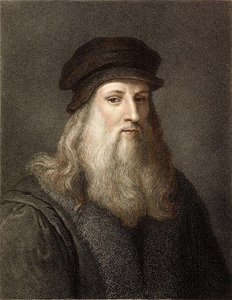
A Glimpse into Genius: Leonardo da Vinci’s Self-Portrait
This captivating self-portrait, created in 1512 by the quintessential Renaissance man, Leonardo da Vinci, offers an intimate encounter with one of history's most brilliant minds. Rendered in delicate red chalk on paper (33 x 21 cm), and currently housed at the Biblioteca Reale in Turin, Italy, this work transcends a simple likeness; it’s a profound statement about artistry, intellect, and the passage of time.Masterful Technique & Artistic Style
Da Vinci's unparalleled skill is immediately apparent in his masterful use of chiaroscuro – the dramatic interplay of light and shadow. This technique lends an extraordinary depth and three-dimensionality to the drawing, bringing the subject vividly to life. The meticulous hatching and cross-hatching create a remarkable sense of texture, particularly evident in the flowing hair and beard. The work exemplifies High Renaissance realism, prioritizing anatomical accuracy and nuanced observation. Unlike many portraits of his time, this piece eschews lavish ornamentation, focusing instead on the raw essence of the sitter’s character.Decoding the Subject & Symbolism
The subject is depicted as a mature man with long, wavy hair and a full beard – an unconventional appearance for Renaissance Italy that suggests wisdom, contemplation, and perhaps even a deliberate rejection of societal norms. His aquiline nose and deeply etched lines around his eyes and brow convey a sense of profound introspection and experience. Some scholars interpret the length of his facial hair as symbolic of his intellectual freedom and dedication to knowledge, distancing him from the constraints of conventional society. While widely accepted as a self-portrait, debate continues among art historians regarding its definitive identification.Historical Context & Legacy
Created during Da Vinci’s second period in Milan, this self-portrait encapsulates the spirit of the Renaissance – a fervent pursuit of knowledge across diverse disciplines. Da Vinci was not merely an artist; he was an anatomist, engineer, inventor, and scientist. This drawing embodies that multifaceted genius, presenting him as the archetypal “Renaissance Man.” It stands as one of the few surviving self-portraits from this period, offering a rare glimpse into the mind and persona of a true polymath. The work’s influence extends far beyond the realm of art, inspiring generations with its embodiment of human potential.Emotional Impact & Modern Relevance
This self-portrait evokes a sense of quiet dignity and profound contemplation. The subject's gaze is directed inward, inviting viewers to reflect on their own mortality and the pursuit of knowledge. In our modern world, Da Vinci’s work continues to resonate deeply, reminding us of the enduring power of artistic expression and the importance of intellectual curiosity. It serves as a powerful symbol of human creativity and the relentless quest for understanding.Further Exploration
- Explore more works by Leonardo da Vinci: List of works by Leonardo da Vinci
- Delve deeper into the portrait’s history: Portrait of a Man in Red Chalk (Wikipedia)
질의응답
"Self Portrait"의 규격과 크기는 어떻게 되나요?
"Self Portrait"의 형식은 세로형이며, 원작의 크기는 33 x 21 cm입니다. 두 정보 모두 복제본 제작을 계획할 때 유용합니다.
레오나르도 다 빈치의 "Self Portrait"의 재료는 무엇인가요?
"Self Portrait"은(는) 캔버스 위 아크릴 물감 기법으로 제작되었습니다.
레오나르도 다 빈치의 "Self Portrait"을(를) 활용하기에 가장 좋은 용도와 공간은 무엇인가요?
레오나르도 다 빈치의 "Self Portrait"은(는) 액센트(을)를 위해 추천되며, 거실 공간에 배치하기에 가장 이상적입니다. 용도와 공간 정보를 함께 참고하여 작품의 위치를 결정해 보세요.
More about this painting
 실제 크기로 보기
 보내기
보내기 공유하기
공유하기
 상세 보기
상세 보기 가이드 보기

 이미지 다운로드
 유사 작품 더 보기
 X-레이
X-레이 슬라이드 쇼 보기
 Q&A
Q&A 통계 정보
통계 정보