미리보기
미리보기
 공유하기
공유하기 공유하기
공유하기
 상세 정보
상세 정보 가이드 보기

 다운로드
다운로드
 유사 작품 더 보기
 X-레이
X-레이 슬라이드 쇼 보기
 질의응답
질의응답 통계 정보
통계 정보Equestrian Statue


 더 보기
더 보기
지클레 / 아트 프린트
빠른 제작과 다양한 마감 옵션을 제공하는 박물관 수준의 지클레이 및 캔버스 프린트. ( 수작업 채색 복제본 주문하기 디지털 이미지로 전환)




P118B ₩10

P118H ₩10

P118W ₩10

P438Z ₩10

P508JH ₩12

P508YH ₩12

P805H ₩10

P805Z ₩10

P919BZ ₩10

P919G ₩10

P919XJ ₩10

P959ZH ₩10

P968JZ ₩12

W106C ₩8

W218G ₩10

W218JH ₩8

W218Y ₩10

W307PJ ₩10

W316G ₩10

W316PJ ₩8

W316Y ₩10

W398PJ ₩8

W4111J ₩10

W500HY ₩15

W500JH ₩15

W692G ₩12

W849H ₩8

W940BG ₩15

W953PJ ₩8




작품의 원본 비율을 그대로 유지하는 프리셋 사이즈 중에서 선택해 보세요.

액자나 벽면 크기에 맞춰 필요한 가로와 세로 길이를 입력해 주세요. 프린트는 원본 이미지보다 크게 제작할 수 없으며 오직 자르는 것만 가능하므로, 비율이 다른 사이즈를 선택할 경우 이미지의 일부가 잘려 나갈 수 있습니다. 인쇄 작업에 들어가기 전, 최종 확인을 위해 디지털 목업을 보내드립니다. 이 페이지에 표시된 이미지는 실제 잘리는 영역을 나타내지 않으며, 오직 목업을 통해서만 정확한 확인이 가능합니다.


 유리 옵션은 110cm 미만 크기에서만 선택 가능합니다.

Equestrian Statue
지클레 / 아트 프린트
복제본 크기
-


최종 결제 금액
₩ 108463
A Symphony in Bronze: Leonardo da Vinci's Equestrian Statue
The Equestrian Statue of Lorenzo de Medici—commonly known as Il Magnifico—stands as one of Leonardo da Vinci’s most enduring achievements, yet it remains shrouded in myth and speculation. Completed in 1516 during his Milanese exile, this monumental bronze sculpture transcends mere portraiture; it embodies the spirit of Renaissance Florence and speaks to themes of power, nobility, and divine grace. Its presence at the Szépmûvészeti Múzeum (Budapest, Hungary) offers visitors a rare glimpse into the mind of arguably the greatest artist of all time.- Subject Matter: The statue depicts Lorenzo de Medici astride a horse—a deliberate choice reflecting the equestrian tradition prevalent in European heraldry and symbolizing royal authority.
- Style: Da Vinci’s approach defies easy categorization, blending realism with idealized proportions characteristic of Mannerism. While meticulously studied anatomical detail informs the horse's musculature and posture, the rider is rendered with a subtle grace that elevates him beyond earthly concerns.
- Technique: Centrifugal casting was a groundbreaking innovation, allowing for greater precision and ensuring uniform distribution of metal throughout the sculpture’s structure.
- Material Analysis: Microscopic examination revealed traces of ultramarine pigment—a vibrant blue derived from lapis lazuli—within the bronze surface, hinting at Da Vinci's desire to capture light and atmosphere.
- Historical Context: Florence experienced a golden age under Lorenzo's rule, fostering artistic innovation and intellectual discourse.
- Symbolism: The horse embodies power and nobility, while the rider symbolizes wisdom and leadership—reflecting Renaissance humanist values.
- Emotional Impact: The statue's stillness conveys majesty and contemplation, prompting reflection on themes of mortality and transcendence.
- Legacy: Da Vinci’s masterpiece continues to resonate with audiences worldwide, securing his place as one of history’s most influential artists.
질의응답
레오나르도 다 빈치의 "Equestrian Statue"의 전반적인 분위기는 어떠한가요?
레오나르도 다 빈치의 "Equestrian Statue"은(는) Elegant한 분위기를 자아냅니다. 이러한 특징을 통해 작품을 공간의 무드에 맞춰 선택하는 데 도움을 얻을 수 있습니다.
"Equestrian Statue"의 작가는 누구이며, 어떤 화풍인가요?
레오나르도 다 빈치은(는) Renaissance 운동의 흐름 속에서 "Equestrian Statue"을(를) 제작했습니다.
구매하기 전에 레오나르도 다 빈치의 "Equestrian Statue"을(를) 제 벽에 미리 배치해 볼 수 있나요?
레오나르도 다 빈치의 "Equestrian Statue"의 AR로 미리보기 페이지에서는 증강 현실(AR) 기술을 통해 호환 가능한 기기에서 작품이 사용자의 공간에 배치된 모습을 미리 확인할 수 있습니다.
작가 정보
레오나르도 다 빈치의 삶과 유산
1452년 이탈리아 토스카나의 작은 마을 빈치 근처에서 태어난 레오나르도 디 세로 피에로 다 빈치는 르네상스 시대에서 가장 보편적으로 인정받는 인물로 남아 있습니다. 그는 끝없는 호기심을 바탕으로 예술, 과학, 공학 등 여러 분야를 넘나들며 지울 수 없는 발자취를 남긴 진정한 박식가였습니다. 그의 이름 자체가 천재의 대명사가 된 것은 그의 놀라운 재능의 폭과 선구적인 사고력을 증명하는 것입니다. 공증인이었던 피에로 다 빈치와 농부였던 카테리나 사이에서 서자로 태어난 레오나르도의 유년 시절은 평범하지 않았으나, 오히려 그 덕분에 그는 실질적인 세상과 자연에 대한 깊은 통찰력을 동시에 얻을 수 있었고 이는 그의 예술적 비전을 형성하는 데 결정적인 역할을 했습니다. 읽기, 쓰기, 산술 등 기초 교육을 받았지만, 그의 창의적 불꽃을 진정으로 지핀 것은 피렌체에서 안드레아 댸 베로키오 밑에서 시작한 도제 수업이었습니다. 베로치오의 작업실에서 레오나르도는 단순히 그림이나 조각을 배우는 데 그치지 않고 금속 공예, 목공, 데생 등 기술적 숙련도를 쌓으며 예술적 창조의 복잡한 과정을 몸소 익혔습니다. 이러한 기초는 훗날 그의 다재다능한 천재성을 꽃피우는 토대가 되었습니다. 이 형성기 시절부터 이미 그의 탁월한 재능에 대한 소문이 자자했으며, 심지어 스승인 베로치오조차 레오나르도의 압도적인 실력을 목격한 후 붓을 놓았다는 일화가 전해질 정도였습니다.
밀라노 시대의 혁신과 예술적 번영
1482년, 레오나르도는 밀라노 공작 루도비코 스포르차의 궁정에 들어가 새로운 장을 열었습니다. 이는 단순한 예술가로서의 임용이 아니었습니다. 그는 군사 엔지니어, 건축가, 조각가, 그리고 무대 디자이너로서 활약하며 자신의 다채로운 능력을 유감없이 발휘했습니다. 혁신적인 요새를 설계하고 화려한 궁정 행사를 위한 무대를 연출했으며, 심지어 상상 속의 기계 장치들을 스케치하기도 했습니다. 그러나 이 시기에 그는 그의 가장 상징적인 걸작 중 하나인 최후의 만찬 작업을 시작했습니다. 산타 마리아 델레 그라지에 수도원의 식당 벽면에 프레스코화로 그려진 이 작품은 단순한 종교적 재현을 넘어, 그리스도가 배신을 예고하는 바로 그 순간의 인간적 감정과 심리적 드라마를 깊이 있게 탐구합니다. 당대로서는 매우 혁신적이었던 구도와 숙련된 원근법의 사용은 향후 수 세기 동안 서양 미술사에 지대한 영향을 미쳤습니다. 비록 밀라노 시대에 많은 조각 프로젝트들이 미완성으로 남기도 했지만, 그의 발명가적 정신은 계속해서 번창하며 미래의 과학적 탐구를 위한 초석을 다졌습니다.
피렌체 귀환과 완벽을 향한 여정
1499년 프랑스의 밀라노 침공 이후, 레오나르도는 예술적 발전이 정점에 달했던 피렌체로 돌아왔습니다. 이 시기에 완성된 작품의 수는 상대적으로 적었지만, 그 영향력은 가히 압도적이었습니다. 바로 이곳에서 그는 세계에서 가장 유명한 그림 중 하나인 모나리자 (라 조콘다) 작업을 시작했습니다. 대상의 신비로운 미소와 매혹적인 시선은 세대를 넘어 관람객을 사로잡았으며, 빛과 그림자를 미묘하게 섞어 경계선을 흐릿하게 만들고 대기 원근법을 구현한 레오나르도의 혁신적인 *스푸마토* 기법은 이 작품에 천상적인 분위기를 부여하는 데 결정적인 역할을 했습니다. 또한 이 시기에는 인체를 과학적 정밀함으로 이해하려는 굽히지 않는 열망에 따라 해부학 연구도 계속해서 심화되었습니다. 그는 시신을 해부하며 근육, 뼈, 장기를 세밀하게 기록했는데, 그 정교한 드로잉들은 시대를 수백 년 앞서간 것이었습니다.
예술을 넘어선 유산: 과학, 발명, 그리고 영원한 영향력
레오나 перечис된 말년은 피렌체, 밀라노, 로마를 오가는 여정으로 점철되었습니다. 그는 언제나 전문가로서의 가치를 인정받으며 요청받았으나, 그의 끊임없는 지적 호기심과 방대한 관심사 탓에 많은 프로젝트가 미완성으로 남기도 했습니다. 1516년, 그는 프랑스 국왕 프랑수아 1세의 초청을 받아 프랑스 암보아즈 근처의 클로 루세 성에서 머물며 생애 마지막을 보냈습니다. 1519년 그가 세상을 떠났을 때, 그가 남긴 유산은 예술의 영역을 훨씬 넘어선 방대한 것이었습니다. 그의 노트에는 해부학, 광학, 수리학, 지질학, 지도 제작학 분야의 선구적인 연구들이 담겨 있으며, 비행 기계, 탱크, 첨단 무기 등 시대를 수백 년 앞서간 발명품들에 대한 구상이 기록되어 있습니다. 레오나르도 다 빈치가 미술사에 남긴 영향은 헤아릴 수 없을 정도입니다. 그는 예술가의 지위를 숙련된 장인에서 지적인 인물로 격상시켰으며, 예술적 창조가 과학적 탐구와 자연 세계에 대한 깊은 이해를 통해 완성될 수 있음을 증명했습니다. 그의 회화는 사실주의, 심리적 깊이, 그리고 혁신적인 기법으로 찬사를 받습니다. 그는 인간의 호기심과 창의성, 그리고 지식을 향한 끊임없는 탐구의 상징으로 남아 있으며, 그가 남긴 유산은 사후 수 세기가 지난 지금까지도 우리에게 경외감과 매혹을 선사하고 있습니다.
주요 업적 및 영원한 영향력
- 회화: 모나리자, 최후의 만찬, 암굴의 성모, 수태고지
- 데생 및 스케치: 광범위한 해부학 연구, 공학 설계(비행 기계, 무기), 식물 세밀화
- 과학 및 공학: 해부학, 광학, 수리학, 지질학, 지도 제작학 분야의 선구적 업적. 시대를 수백 년 앞서간 발명품 구상.
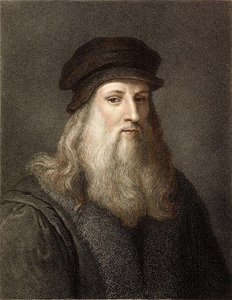
레오나르도 다 빈치
1452 - 1519 , 이탈리아
작가 정보 요약
- 국적: 이탈리아인
- 영향을 받은 예술 사조: ['르네상스 미술']
- 영향을 준 예술가: ['안드레아 델 베로치오']
- 예술 사조: 고대 르네상스
- 전체 이름: 레오나르도 다 빈치
- 주요 작품:
- 모나리자
- 최후의 만찬
- 비트루비우스 인간
- 출생일: 1452년 4월 15일
관련 콘텐츠

레오나르도 다 빈치 최고 걸작 25선: 예술과 과학의 경계를 넘어서 (Leonardo da Vinci's 25 Masterpieces)
레오나르도 다 빈치의 시대를 초월하는 25개의 명작을 만나보세요. 모나리자, 최후의 만찬 등 예술과 과학이 융합된 걸작들의 숨겨진 이야기와 기법을 탐험합니다. OriginalUniqueArt.com에서 고품질 미술 작품을 감상하고 특별한 인테리어 영감을 얻으세요.
Renaissance Humanism's Greatest Art: 10 Masterpieces for Your Home
Explore 10 Renaissance Humanism masterpieces by Leonardo da Vinci, Michelangelo & Raphael. Discover the stories behind these iconic paintings & sculptures and bring timeless art into your home with museum-quality reproductions from OriginalUniqueArt.com. Explore the full collection online!

Bronze Sculptures That Defined Art History | OriginalUniqueArt
Journey through art history with our Top 10 bronze sculptures! Explore masterpieces by Rodin, Michelangelo & more. Discover stories behind iconic statues and find museum-quality reproductions for your home decor at OriginalUniqueArt.com.

루브르 박물관 최고 걸작 25선: 예술과 역사의 숨결을 담아 (Louvre Masterpieces)
루브르 박물관 최고 걸작 25선을 만나보세요. 모나리자, 빈센트 반 고흐 등 유명 화가들의 숨겨진 이야기와 예술 기법을 탐험하고, 프랑스 미술의 정수를 느껴보세요. OriginalUniqueArt.com에서 고품질 미술 복제품과 인테리어 아이디어를 찾아보세요.
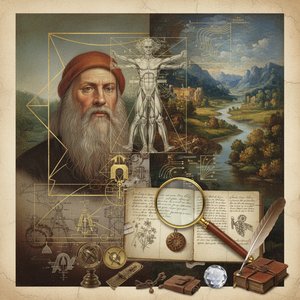
Leonardo da Vinci: A Renaissance Master’s Synthesis of Art, Science & Human Observation – Reinterpreted for the Collector
Explore Leonardo da Vinci’s timeless masterpieces with OriginalUniqueArt. Discover insights into his art, science, and legacy – trusted expertise for discerning collectors seeking authentic reproductions & investment opportunities.