실제 크기로 보기
 보내기
보내기 공유하기
공유하기
 상세 보기
상세 보기 가이드 보기

 이미지 다운로드
 유사 작품 더 보기
 X-레이
X-레이 슬라이드 쇼 보기
 통계 정보
통계 정보Codici di Madrid

 상세 보기
상세 보기
지클레 / 아트 프린트
빠른 제작과 다양한 마감 옵션을 선택할 수 있는 박물관 수준의 지클레이 및 캔버스 프린트. ( 수작업 채색 복제본 주문하기 디지털 이미지 판매 채널로 전환)




P118B ₩10

P118H ₩10

P118W ₩10

P438Z ₩10

P508JH ₩12

P508YH ₩12

P805H ₩10

P805Z ₩10

P919BZ ₩10

P919G ₩10

P919XJ ₩10

P959ZH ₩10

P968JZ ₩12

W106C ₩8

W218G ₩10

W218JH ₩8

W218Y ₩10

W307PJ ₩10

W316G ₩10

W316PJ ₩8

W316Y ₩10

W398PJ ₩8

W4111J ₩10

W500HY ₩15

W500JH ₩15

W692G ₩12

W849H ₩8

W940BG ₩15

W953PJ ₩8




작품의 원본 비율을 그대로 유지하는 프리셋 사이즈 중에서 선택해 보세요.

액자나 벽면 크기에 맞춰 필요한 가로와 세로 길이를 입력해 주세요. 프린트는 원본 이미지보다 크게 제작할 수 없으며 오직 자르는 것만 가능하므로, 비율이 다른 사이즈를 선택할 경우 이미지의 일부가 잘려 나갈 수 있습니다. 인쇄 작업에 들어가기 전, 최종 확인을 위해 디지털 목업을 보내드립니다. 이 페이지에 표시된 이미지는 실제 잘리는 영역을 나타내지 않으며, 오직 목업을 통해서만 정확한 확인이 가능합니다.


 유리 옵션은 110cm 미만 크기에서만 선택 가능합니다.

Codici di Madrid
지클레 / 아트 프린트
복제본 규격
-


총 결제 금액
₩ 108354
The Enigmatic Vessel: Exploring Leonardo da Vinci’s “Codici di Madrid”
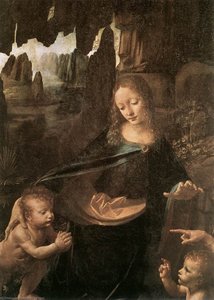
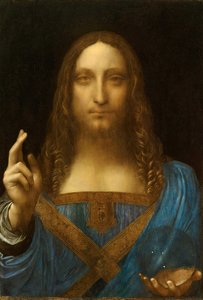
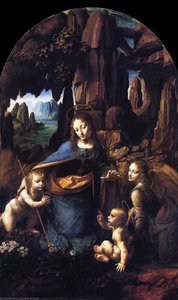
Leonardo da Vinci's "Codici di Madrid," though shrouded in the mystery of its origins and current whereabouts, represents a fascinating intersection of observation, artistic invention, and perhaps even a subtle commentary on the nature of representation itself. This seemingly simple depiction of a ceramic or metal vase—a commonplace object elevated to an extraordinary study—offers a glimpse into the mind of one of history’s most profound thinkers. The painting, likely conceived as a preparatory drawing or sketchbook page, isn't merely a record of a physical form; it’s a distillation of da Vinci’s relentless pursuit of understanding – how light interacts with surface, how volume is perceived, and ultimately, how to capture the essence of an object on a two-dimensional plane.
The composition immediately draws the eye to the vase's distinctive spiral motif. This isn’t a purely decorative flourish; it speaks to da Vinci’s deep interest in geometry, proportion, and the underlying mathematical harmony he believed governed all things. The spiral, a recurring symbol throughout his work – from the swirling patterns of water to the graceful curves of human anatomy – suggests an exploration of growth, movement, and the cyclical nature of existence. It's a visual echo of concepts explored in his scientific notebooks, hinting at a mind constantly seeking connections between art and science.
A Study in Observation and Technique
Da Vinci’s approach to this seemingly straightforward subject is remarkably detailed, reflecting his meticulous method of observation. He wasn’t simply copying the vase; he was dissecting it visually, analyzing its form from multiple angles, and rendering each subtle curve and shadow with painstaking accuracy. The use of *spolvero*, a technique involving dusting charcoal onto the wet paint surface to create delicate lines and shading, is particularly evident here, lending an ethereal quality to the ceramic’s texture. This method allowed him to build up layers of tone and value with incredible precision, capturing not just the appearance but also the *feeling* of the material.
The choice of medium – likely charcoal on paper or perhaps a preliminary sketch for fresco – further illuminates da Vinci's working process. These preparatory drawings were crucial to his artistic development, serving as a laboratory where he could experiment with ideas and refine his techniques before committing them to larger-scale works. “Codici di Madrid” stands as a testament to this iterative approach, demonstrating how even the most familiar subject could become a vehicle for profound exploration.
Symbolism and Renaissance Ideals
Within the context of the High Renaissance, “Codici di Madrid” can be interpreted through the lens of humanist ideals. Da Vinci’s fascination with nature – a cornerstone of Renaissance thought – is powerfully evident in his detailed rendering of this everyday object. He elevates it to an object worthy of study and artistic representation, reflecting a belief in the inherent beauty and intellectual value of the natural world. The vase itself could be seen as a symbol of containment, holding within its form the potential for growth, knowledge, or even life – themes frequently explored by Renaissance artists and philosophers.
Furthermore, the image’s placement within a book—as depicted in the photograph—suggests a deliberate act of preservation and study. Books were repositories of knowledge during this period, and da Vinci's inclusion of his drawing within one reinforces the importance of observation, documentation, and the transmission of ideas across generations. It speaks to a legacy of learning and a deep appreciation for the power of visual representation.
A Timeless Masterpiece: Reproduction Possibilities
OriginalUniqueArt offers exquisite hand-painted reproductions of “Codici di Madrid,” meticulously crafted by our team of skilled artists who emulate da Vinci’s techniques with unparalleled accuracy. Each reproduction captures not only the image's visual details but also its underlying atmosphere and emotional resonance. Whether you are an art collector, interior designer seeking to infuse a space with Renaissance elegance, or simply an admirer of da Vinci’s genius, our reproductions provide a beautiful and authentic way to experience this enigmatic masterpiece. Explore our collection today and bring the intellectual depth and artistic beauty of “Codici di Madrid” into your home or studio.
질의응답
레오나르도 다 빈치의 "Codici di Madrid"의 전반적인 색조는 무엇인가요?
레오나르도 다 빈치의 "Codici di Madrid"에는 Ochre to Sepia 빛깔이 감돕니다.
"Codici di Madrid"의 규격은 어떻게 되나요?
"Codici di Madrid"의 형식은 Portrait입니다. 이는 작품 복제본을 배치할 공간을 계획할 때 유용합니다.
레오나르도 다 빈치의 "Codici di Madrid"은(는) 어떤 감정을 전달하나요?
"Codici di Madrid"은(는) Reflective 느낌을 전달합니다. 이 정서적 톤은 작품이 주는 인상을 설명합니다.
작가 소개
레오나르도 다 빈치의 삶과 유산
1452년 이탈리아 토스카나의 작은 마을 빈치 근처에서 태어난 레오나르도 디 세로 피에로 다 빈치는 르네상스 시대에서 가장 보편적으로 인정받는 인물로 남아 있습니다. 그는 끝없는 호기심을 바탕으로 예술, 과학, 공학 등 여러 분야를 넘나들며 지울 수 없는 발자취를 남긴 진정한 박식가였습니다. 그의 이름 자체가 천재의 대명사가 된 것은 그의 놀라운 재능의 폭과 선구적인 사고력을 증명하는 것입니다. 공증인이었던 피에로 다 빈치와 농부였던 카테리나 사이에서 서자로 태어난 레오나르도의 유년 시절은 평범하지 않았으나, 오히려 그 덕분에 그는 실질적인 세상과 자연에 대한 깊은 통찰력을 동시에 얻을 수 있었고 이는 그의 예술적 비전을 형성하는 데 결정적인 역할을 했습니다. 읽기, 쓰기, 산술 등 기초 교육을 받았지만, 그의 창의적 불꽃을 진정으로 지핀 것은 피렌체에서 안드레아 댸 베로키오 밑에서 시작한 도제 수업이었습니다. 베로치오의 작업실에서 레오나르도는 단순히 그림이나 조각을 배우는 데 그치지 않고 금속 공예, 목공, 데생 등 기술적 숙련도를 쌓으며 예술적 창조의 복잡한 과정을 몸소 익혔습니다. 이러한 기초는 훗날 그의 다재다능한 천재성을 꽃피우는 토대가 되었습니다. 이 형성기 시절부터 이미 그의 탁월한 재능에 대한 소문이 자자했으며, 심지어 스승인 베로치오조차 레오나르도의 압도적인 실력을 목격한 후 붓을 놓았다는 일화가 전해질 정도였습니다.
밀라노 시대의 혁신과 예술적 번영
1482년, 레오나르도는 밀라노 공작 루도비코 스포르차의 궁정에 들어가 새로운 장을 열었습니다. 이는 단순한 예술가로서의 임용이 아니었습니다. 그는 군사 엔지니어, 건축가, 조각가, 그리고 무대 디자이너로서 활약하며 자신의 다채로운 능력을 유감없이 발휘했습니다. 혁신적인 요새를 설계하고 화려한 궁정 행사를 위한 무대를 연출했으며, 심지어 상상 속의 기계 장치들을 스케치하기도 했습니다. 그러나 이 시기에 그는 그의 가장 상징적인 걸작 중 하나인 최후의 만찬 작업을 시작했습니다. 산타 마리아 델레 그라지에 수도원의 식당 벽면에 프레스코화로 그려진 이 작품은 단순한 종교적 재현을 넘어, 그리스도가 배신을 예고하는 바로 그 순간의 인간적 감정과 심리적 드라마를 깊이 있게 탐구합니다. 당대로서는 매우 혁신적이었던 구도와 숙련된 원근법의 사용은 향후 수 세기 동안 서양 미술사에 지대한 영향을 미쳤습니다. 비록 밀라노 시대에 많은 조각 프로젝트들이 미완성으로 남기도 했지만, 그의 발명가적 정신은 계속해서 번창하며 미래의 과학적 탐구를 위한 초석을 다졌습니다.
피렌체 귀환과 완벽을 향한 여정
1499년 프랑스의 밀라노 침공 이후, 레오나르도는 예술적 발전이 정점에 달했던 피렌체로 돌아왔습니다. 이 시기에 완성된 작품의 수는 상대적으로 적었지만, 그 영향력은 가히 압도적이었습니다. 바로 이곳에서 그는 세계에서 가장 유명한 그림 중 하나인 모나리자 (라 조콘다) 작업을 시작했습니다. 대상의 신비로운 미소와 매혹적인 시선은 세대를 넘어 관람객을 사로잡았으며, 빛과 그림자를 미묘하게 섞어 경계선을 흐릿하게 만들고 대기 원근법을 구현한 레오나르도의 혁신적인 *스푸마토* 기법은 이 작품에 천상적인 분위기를 부여하는 데 결정적인 역할을 했습니다. 또한 이 시기에는 인체를 과학적 정밀함으로 이해하려는 굽히지 않는 열망에 따라 해부학 연구도 계속해서 심화되었습니다. 그는 시신을 해부하며 근육, 뼈, 장기를 세밀하게 기록했는데, 그 정교한 드로잉들은 시대를 수백 년 앞서간 것이었습니다.
예술을 넘어선 유산: 과학, 발명, 그리고 영원한 영향력
레오나 перечис된 말년은 피렌체, 밀라노, 로마를 오가는 여정으로 점철되었습니다. 그는 언제나 전문가로서의 가치를 인정받으며 요청받았으나, 그의 끊임없는 지적 호기심과 방대한 관심사 탓에 많은 프로젝트가 미완성으로 남기도 했습니다. 1516년, 그는 프랑스 국왕 프랑수아 1세의 초청을 받아 프랑스 암보아즈 근처의 클로 루세 성에서 머물며 생애 마지막을 보냈습니다. 1519년 그가 세상을 떠났을 때, 그가 남긴 유산은 예술의 영역을 훨씬 넘어선 방대한 것이었습니다. 그의 노트에는 해부학, 광학, 수리학, 지질학, 지도 제작학 분야의 선구적인 연구들이 담겨 있으며, 비행 기계, 탱크, 첨단 무기 등 시대를 수백 년 앞서간 발명품들에 대한 구상이 기록되어 있습니다. 레오나르도 다 빈치가 미술사에 남긴 영향은 헤아릴 수 없을 정도입니다. 그는 예술가의 지위를 숙련된 장인에서 지적인 인물로 격상시켰으며, 예술적 창조가 과학적 탐구와 자연 세계에 대한 깊은 이해를 통해 완성될 수 있음을 증명했습니다. 그의 회화는 사실주의, 심리적 깊이, 그리고 혁신적인 기법으로 찬사를 받습니다. 그는 인간의 호기심과 창의성, 그리고 지식을 향한 끊임없는 탐구의 상징으로 남아 있으며, 그가 남긴 유산은 사후 수 세기가 지난 지금까지도 우리에게 경외감과 매혹을 선사하고 있습니다.
주요 업적 및 영원한 영향력
- 회화: 모나리자, 최후의 만찬, 암굴의 성모, 수태고지
- 데생 및 스케치: 광범위한 해부학 연구, 공학 설계(비행 기계, 무기), 식물 세밀화
- 과학 및 공학: 해부학, 광학, 수리학, 지질학, 지도 제작학 분야의 선구적 업적. 시대를 수백 년 앞서간 발명품 구상.
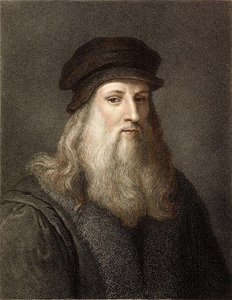
레오나르도 다 빈치
1452 - 1519 , 이탈리아
작가 정보 요약
- 국적: 이탈리아인
- 영향을 받은 예술 사조: ['르네상스 미술']
- 영향을 준 예술가: ['안드레아 델 베로치오']
- 예술 사조: 고대 르네상스
- 전체 이름: 레오나르도 다 빈치
- 주요 작품:
- 모나리자
- 최후의 만찬
- 비트루비우스 인간
- 출생일: 1452년 4월 15일
관련 기사
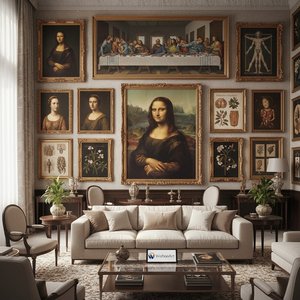
레오나르도 다 빈치 최고 걸작 25선: 예술과 과학의 경계를 넘어서 (Leonardo da Vinci's 25 Masterpieces)
레오나르도 다 빈치의 시대를 초월하는 25개의 명작을 만나보세요. 모나리자, 최후의 만찬 등 예술과 과학이 융합된 걸작들의 숨겨진 이야기와 기법을 탐험합니다. OriginalUniqueArt.com에서 고품질 미술 작품을 감상하고 특별한 인테리어 영감을 얻으세요.
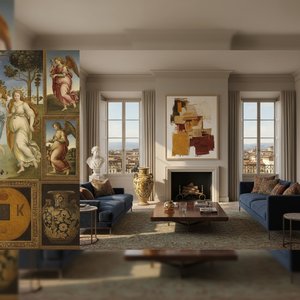
피렌체 우피치 미술관 최고 걸작 25선: 예술과 역사의 숨결을 담아
피렌체 우피치 미술관 최고 걸작 25선을 만나보세요. 빈치, 보티첼리, 미켈란젤로 등 거장들의 숨겨진 이야기와 르네상스 회화의 아름다움을 탐험합니다. OriginalUniqueArt.com에서 명화 복제본과 예술 작품 인테리어 아이디어를 찾아보세요.

루브르 박물관 최고 걸작 25선: 예술과 역사의 숨결을 담아 (Louvre Masterpieces)
루브르 박물관 최고 걸작 25선을 만나보세요. 모나리자, 빈센트 반 고흐 등 유명 화가들의 숨겨진 이야기와 예술 기법을 탐험하고, 프랑스 미술의 정수를 느껴보세요. OriginalUniqueArt.com에서 고품질 미술 복제품과 인테리어 아이디어를 찾아보세요.
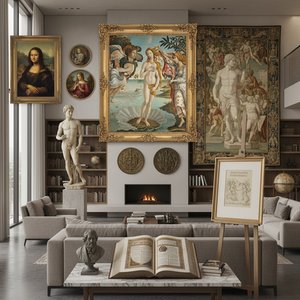
Renaissance Humanism's Greatest Art: 10 Masterpieces for Your Home
Explore 10 Renaissance Humanism masterpieces by Leonardo da Vinci, Michelangelo & Raphael. Discover the stories behind these iconic paintings & sculptures and bring timeless art into your home with museum-quality reproductions from OriginalUniqueArt.com. Explore the full collection online!
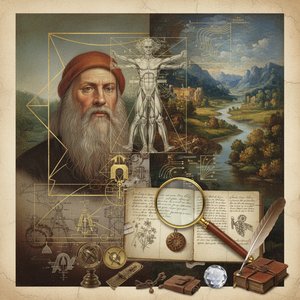
Leonardo da Vinci: A Renaissance Master’s Synthesis of Art, Science & Human Observation – Reinterpreted for the Collector
Explore Leonardo da Vinci’s timeless masterpieces with OriginalUniqueArt. Discover insights into his art, science, and legacy – trusted expertise for discerning collectors seeking authentic reproductions & investment opportunities.