프린트 판매로 전환
 상세 보기
상세 보기







































 가로 또는 세로 중 어느 한 면이라도 105cm(약 41인치)를 초과하는 작품이나 복제화의 경우, 프레임은 분해된 키트 형태로 배송됩니다. 이는 안전한 배송을 보장하고 운송 중 발생할 수 있는 손상을 방지하기 위함입니다.


A Portrait of Observation: Examining Leonardo da Vinci’s Codex Trivulzianus 2162, p. 2
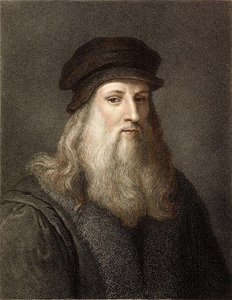
Leonardo da Vinci's Codex Trivulzianus 2162, a meticulously rendered monochrome depiction of a man with contemplative gaze, offers a fascinating glimpse into the artist’s approach to portraiture and his broader intellectual pursuits. Produced sometime between 1508 and 1510 during his Florentine period—a time marked by intense artistic experimentation and scientific inquiry—this painting transcends mere likeness; it embodies Da Vinci's masterful sfumato technique, a hallmark of High Renaissance art that prioritizes subtle gradations of tone to achieve an ethereal realism. The photograph captures the essence of this artwork beautifully, highlighting the nuanced interplay of light and shadow across the subject’s face and beard, creating an atmosphere of profound stillness.- Subject Matter: The portrait portrays a man dressed in dark attire, his gaze directed towards another figure positioned slightly off-center. This deliberate compositional choice invites contemplation on interpersonal dynamics and unspoken communication—themes central to Da Vinci’s humanist worldview.
- Style & Technique: Da Vinci's signature sfumato technique is evident throughout the canvas. Layers of thin glazes meticulously blended together soften contours, blurring boundaries between light and dark, thereby imbuing the image with an unparalleled sense of depth and luminosity. This painstaking process reflects Da Vinci’s dedication to anatomical accuracy and his profound understanding of optics.
- Historical Context: Created during a period of artistic flourishing in Florence—a city renowned for its patronage of artists and humanist scholars—the Codex Trivulzianus 2162 aligns with the broader Renaissance fascination with human anatomy, perspective, and idealized beauty. It stands as testament to Da Vinci’s ambition to synthesize art and science into a unified vision of the world.
- Symbolism: The man's gaze is particularly noteworthy; it suggests introspection and awareness—qualities considered vital for achieving moral virtue during the Renaissance. Furthermore, the positioning of the second figure introduces an element of narrative ambiguity, prompting viewers to consider the relationship between the subjects and their surroundings.
Exploring Da Vinci’s Anatomical Precision
Da Vinci's meticulous anatomical studies informed his artistic endeavors in ways that extended far beyond mere representation. He dissected human cadavers with unwavering dedication, meticulously documenting musculature, skeletal structure, and vascular pathways—knowledge he skillfully incorporated into his paintings to convey an unprecedented level of realism. The Codex Trivulzianus 2162 exemplifies this commitment to scientific observation; the subtle shading around the man’s facial features demonstrates Da Vinci's mastery of chiaroscuro, a technique that utilizes dramatic contrasts between light and dark to sculpt form and evoke emotion.A Window into Renaissance Thought
This artwork isn’t simply a depiction of an individual; it’s a conduit for understanding the intellectual currents of the Renaissance—a movement characterized by a renewed interest in classical learning, humanism, and empirical observation. Da Vinci's Codex Trivulzianus 2162 embodies these ideals, reflecting the humanist conviction that humans possessed inherent dignity and potential for greatness. It serves as an enduring reminder of Da Vinci’s genius as both artist and scientist—a figure who irrevocably transformed the artistic landscape of his time and continues to inspire awe and admiration centuries later.Bringing Da Vinci's Vision Home
A high-quality reproduction of Codex Trivulzianus 2162 offers an exceptional opportunity to experience the beauty and sophistication of Renaissance art firsthand. OriginalUniqueArt’s meticulous printing process guarantees vibrant colors and exceptional detail, faithfully capturing the essence of Da Vinci’s groundbreaking technique—a testament to his legacy as one of history's greatest innovators. Explore this captivating artwork today!질의응답
Archivio Storico Civico e Biblioteca Trivulziana에 소장된 "Codex Trivulzianus 2162, p. 2."의 복제권 범위는 어떻게 되나요?
레오나르도 다 빈치의 "Codex Trivulzianus 2162, p. 2."의 저작권 상태는 명확합니다. 이 작품은 퍼블릭 도메인 - 저작권 보호 기간이 만료되었습니다 상태이며, Archivio Storico Civico e Biblioteca Trivulziana에 소장되어 있다는 사실이 해당 상태를 변경하지 않습니다.
"Codex Trivulzianus 2162, p. 2."의 Renaissance Humanism에는 어떤 국가적 배경이 담겨 있나요?
"Codex Trivulzianus 2162, p. 2."은 이탈리아 출신의 레오나르도 다 빈치가 Renaissance Humanism 운동의 흐름 속에서 제작한 작품입니다. 작가의 출신 배경은 이 작품을 이탈리아 예술가들이 선보인 Renaissance Humanism 양식과 연결해 줍니다.
레오나르도 다 빈치 작가의 다른 활동명이나 알려진 이름이 있나요?
레오나르도 다 빈치은(는) 레오나르도 디 세로 피에로 다 빈치, 다 빈치라는 다른 이름으로도 알려져 있습니다.
More about this painting
 실제 크기로 보기
 보내기
보내기 공유하기
공유하기
 상세 보기
상세 보기 가이드 보기

 이미지 다운로드
 유사 작품 더 보기
 X-레이
X-레이 슬라이드 쇼 보기
 Q&A
Q&A 통계 정보
통계 정보