
 공유하기
공유하기 공유하기
공유하기
 상세 정보
상세 정보 가이드 보기

 다운로드
다운로드
 유사 작품 더 보기
 슬라이드 쇼 보기
 질의응답
질의응답 통계 정보
통계 정보St Paul and St Thomas

- 92.0 x 43.0 cm


 더 보기
더 보기
지클레 / 아트 프린트
빠른 제작과 다양한 마감 옵션을 제공하는 박물관 수준의 지클레이 및 캔버스 프린트. ( 수작업 채색 복제본 주문하기 디지털 이미지로 전환)




































작품의 원본 비율을 그대로 유지하는 프리셋 사이즈 중에서 선택해 보세요.

액자나 벽면 크기에 맞춰 필요한 가로와 세로 길이를 입력해 주세요. 프린트는 원본 이미지보다 크게 제작할 수 없으며 오직 자르는 것만 가능하므로, 비율이 다른 사이즈를 선택할 경우 이미지의 일부가 잘려 나갈 수 있습니다. 인쇄 작업에 들어가기 전, 최종 확인을 위해 디지털 목업을 보내드립니다. 이 페이지에 표시된 이미지는 실제 잘리는 영역을 나타내지 않으며, 오직 목업을 통해서만 정확한 확인이 가능합니다.


 유리 옵션은 110cm 미만 크기에서만 선택 가능합니다.

St Paul and St Thomas
지클레 / 아트 프린트
복제본 크기
-


최종 결제 금액
₩ 108677
A Moment of Spiritual Encounter: Leonard Limosin’s “St Paul and St Thomas”
Leonard Limosin's "St Paul and St Thomas," painted in 1547, is more than just a depiction of two biblical figures; it’s a carefully constructed tableau brimming with Renaissance symbolism and imbued with a profound sense of contemplative piety. The painting captures a pivotal moment – the arrival of Saint Paul and Saint Thomas to evangelize the people of Rome, as recorded in Acts 21:3-4. Limosin masterfully portrays them not as triumphant messengers, but as humble seekers, engaged in earnest conversation within a richly detailed interior setting.
The scene unfolds within what appears to be a modest Roman dwelling, its architecture echoing the classical influences prevalent in Italian art of the period. A window, bathed in soft light, suggests an openness to divine grace, while the books scattered across the table hint at intellectual pursuit and the importance of scripture. The figures themselves are rendered with remarkable sensitivity – Paul, distinguished by his flowing white beard and authoritative stance, gestures towards Thomas, who listens intently, his youthful face reflecting a receptive spirit. The artist’s attention to detail is evident in the folds of their robes, the texture of the wooden table, and the subtle play of light and shadow, creating an atmosphere of quiet reverence.
The Language of Symbolism: Renaissance Values Reflected
Limosin's work is deeply rooted in the artistic and philosophical currents of the High Renaissance. The scene embodies key values of the era – faith, reason, and humanism. Paul’s gesture represents his role as a teacher and guide, while Thomas’s attentive posture signifies the importance of listening and learning. The inclusion of books underscores the centrality of knowledge and scholarship in the pursuit of spiritual understanding. Furthermore, the setting itself—a domestic interior—contrasts with the grand scale often associated with religious art, suggesting that faith is found not only in monumental cathedrals but also within the everyday spaces of human life.
The presence of two distinct figures – an older, established apostle and a younger, eager disciple – speaks to the transmission of knowledge and spiritual wisdom across generations. It’s a visual representation of mentorship and the ongoing process of faith development. The careful arrangement of objects—the books, the table, the window—creates a harmonious composition that invites contemplation on themes of divine guidance, human potential, and the enduring power of belief.
Technique and Artistic Legacy: Enamel Painting at its Finest
Limosin’s mastery lies in his exquisite enamel technique. Working with meticulously crafted copper plates overlaid with layers of colored glass paste, he achieved a remarkable level of detail and luminosity. The vibrant colors—the rich blues, deep reds, and shimmering golds—are applied with astonishing precision, creating an image that seems to radiate from within. This painstaking process, characteristic of Limosin’s oeuvre, demonstrates the immense skill and dedication required to produce these enduring works of art.
Limosin's work is considered a pivotal example of French enamel painting during this period, bridging the gap between German Renaissance influences (particularly Dürer’s prints) and the burgeoning Italian artistic tradition. His meticulous attention to detail, combined with his profound understanding of symbolism, firmly establishes him as one of the most accomplished artists of his generation. Reproductions of “St Paul and St Thomas” continue to resonate today, offering a glimpse into the spiritual and intellectual world of the Renaissance.
A Timeless Reflection: Emotional Resonance and Artistic Value
Beyond its historical and artistic significance, "St Paul and St Thomas" possesses a remarkable emotional resonance. The painting evokes a sense of quiet contemplation, inviting viewers to reflect on their own spiritual journeys and the importance of seeking guidance and wisdom. The figures’ expressions—a mixture of earnestness, humility, and respect—create a powerful connection with the viewer, fostering a feeling of shared humanity and faith.
Whether displayed in a private collection or a public gallery, this painting serves as a testament to the enduring power of art to illuminate the human condition and inspire profound reflection. Its meticulous craftsmanship, rich symbolism, and timeless themes ensure its continued appreciation for generations to come.
질의응답
Léonard Limosin의 "St Paul and St Thomas"의 형태와 크기는 어떻게 되나요?
Léonard Limosin의 "St Paul and St Thomas"은(는) 92 x 43 cm 크기의 Square 형식 작품입니다.
Léonard Limosin의 "St Paul and St Thomas"의 어떤 프린트 사이즈가 추천된 공간에 잘 어울릴까요?
Living Room 공간에는 Léonard Limosin의 "St Paul and St Thomas" 작품을 Medium 크기로 인쇄하시는 것을 추천합니다.
"St Paul and St Thomas"은 언제, 어떤 재료로 제작되었나요?
Léonard Limosin의 "St Paul and St Thomas"의 재료는 Enamel이며, 제작 연도는 1547년입니다.
작가 정보
Biography
Léonard Limosin (b. ca. 1505, Limoges, d. ca. 1575/77) stands as one of the most celebrated enamel painters of Renaissance France, a figure whose legacy continues to inspire admiration for his masterful technique and profound artistic vision. Born in Limoges – a city renowned for its vibrant enamel tradition – he descended from a family of seven skilled enamellers, establishing him within a lineage deeply rooted in this distinctive art form. While precise details surrounding his early life remain elusive, scholarly consensus suggests that Limosin honed his craft under the tutelage of Jean Nardon Pénaud, a prominent Limoges artist whose influence undoubtedly shaped his formative years.- Early Influences: Limosin’s artistic journey commenced with an undeniable connection to German Renaissance art. His inaugural authenticated work, dated 1532, comprises eighteen enamel plaques depicting the Passion of Christ – a direct adaptation of prints by Albrecht Dürer. This stylistic debt underscores the pervasive impact of Northern European artistic sensibilities on French painters during this period.
- The Fontainebleau School: Recognizing the importance of broadening his artistic horizons, Limosin actively sought inspiration from the Italian masters residing at Fontainebleau Palace. Artists such as Primaticcio, Rosso Fiorentino, Giulio Romano and Andrea Solari captivated him with their innovative use of arabesque ornament and their exploration of mythological subjects—elements that would subsequently permeate his own oeuvre.
- Service to Royalty: In 1530 Limosin entered the service of Francis I as painter and valet de chambre, a position he maintained throughout Henry II’s reign. This patronage afforded him unparalleled access to royal commissions, resulting in numerous portraits executed in enamel—among them striking depictions of Diane de Poitiers, who served as Henry II's mistress, and elaborate decorative works adorning the palaces of Versailles and Fontainebleau.
Major Achievements & Legacy
Limosin’s contribution to art history is undeniable, primarily evidenced by his monumental achievement: the creation of approximately two thousand enamels—a staggering number that testifies to his prolific creativity and unwavering dedication to his craft. Among his most enduring masterpieces are the two votive tablets commissioned for Sainte Chapelle in Paris – a breathtaking assemblage of twenty-three plaques meticulously crafted according to Dürer’s designs, symbolizing faith and devotion. These tablets remain treasured relics of Gothic art, captivating visitors with their exquisite artistry and symbolic grandeur. Furthermore, Limosin's portraits—including depictions of Henry II, Marguerite de Valois, the Duke of Guise and Cardinal Lorraine—are considered cornerstones of Renaissance portraiture, capturing the dignity and complexity of royal figures with unparalleled skill. His works continue to be exhibited at prestigious institutions such as the Louvre Museum, ensuring that his artistic legacy persists for generations to come.Notable Works
Limosin’s oeuvre encompasses a diverse range of projects—from monumental enamel plaques to intimate miniature paintings—each reflecting his distinctive stylistic sensibilities and technical prowess. His most celebrated achievements include:- The Sainte Chapelle Votive Tablets
- Portraits of Henry II, Marguerite de Valois, Duke of Guise & Cardinal Lorraine
- Enamel Plaques Depicting Diane de Poitiers

Léonard Limosin
1505 - 1575 , France
작가 정보 요약
- Full Name: Léonard Limosin
- Nationality: French
- Date Of Birth: 1505
- Date Of Death: 1575
- Place Of Birth: France
- Notable Artworks:
- Crucifixion
- Resurrection
- Portrait of Galiot de Genouillac
- Artistic Movement Or Style: Renaissance enamel art
- Artists Who Influenced This Artist:
- Albrecht Dürer
- Francesco Primaticcio
- Rosso
- Artists Or Movements Influenced By This Artist: ['Italian Mannerists']
관련 콘텐츠

엘 그레코 걸작 25선: 영혼을 울리는 신성한 예술의 세계 | OriginalUniqueArt
엘 그레코의 영혼을 담은 걸작 25선을 만나보세요. 스페인 화가 엘 그레코의 종교화, 마니에리스모 스타일, 그리고 그의 대표작들을 OriginalUniqueArt에서 감상하고 특별한 인테리어 아트 아이디어를 얻으세요. 지금 바로 컬렉션을 탐험하세요!

조토 디 본도네의 걸작 25선: 시대를 초월한 예술과 영감, OriginalUniqueArt에서 만나보세요
조토 디 본도네의 시대를 초월한 25개의 걸작을 만나보세요. 르네상스 초기 미술의 혁신적인 기법과 감동적인 스토리를 OriginalUniqueArt에서 경험하세요. 고품질 조토 레플리카와 인테리어 디자인 영감을 지금 바로 탐험해보세요! OriginalUniqueArt.com

폴 세잔 명작 25선: 시대를 초월하는 예술과 공간의 미학 | OriginalUniqueArt
폴 세잔의 시대를 초월하는 명작 25점을 만나보세요. 인상주의를 넘어 후기 인상주의를 개척한 화가의 예술 세계와 정물화, 풍경화 속 숨겨진 이야기를 OriginalUniqueArt에서 감상하세요. 고품질 아트 프린트와 캔버스 액자로 공간에 예술을 더해보세요! 지금 바로 컬렉션을 탐험하세요.

폴 클레 최고작 25선: 색채와 형식이 빚어낸 예술의 정수 | OriginalUniqueArt
폴 클레 최고작 25선을 만나보세요. 추상 미술의 거장 폴 클레의 색채와 감성이 담긴 명화들을 감상하고, 작품 속 숨겨진 이야기와 화풍을 탐구하세요. OriginalUniqueArt에서 고품질 아트 프린트와 인테리어 아이디어를 찾아보세요! 지금 바로 컬렉션을 둘러보세요.
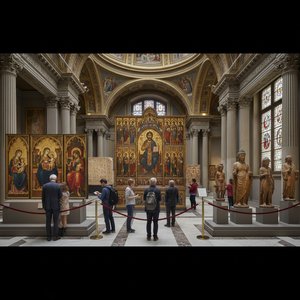
Sacred Narratives Embodied: A Comprehensive Exploration of Religious Iconography in Art History
Explore the rich history of religious iconography in art! Discover symbolism, movements & masterpieces from Byzantine to Renaissance periods. Expert insights for collectors and enthusiasts at OriginalUniqueArt.