
 미리보기
미리보기
 프린트 구매
 공유하기
공유하기 공유하기
공유하기
 상세 정보
상세 정보

 다운로드
다운로드
 유사 작품
유사 작품 X-레이
X-레이 슬라이드 쇼
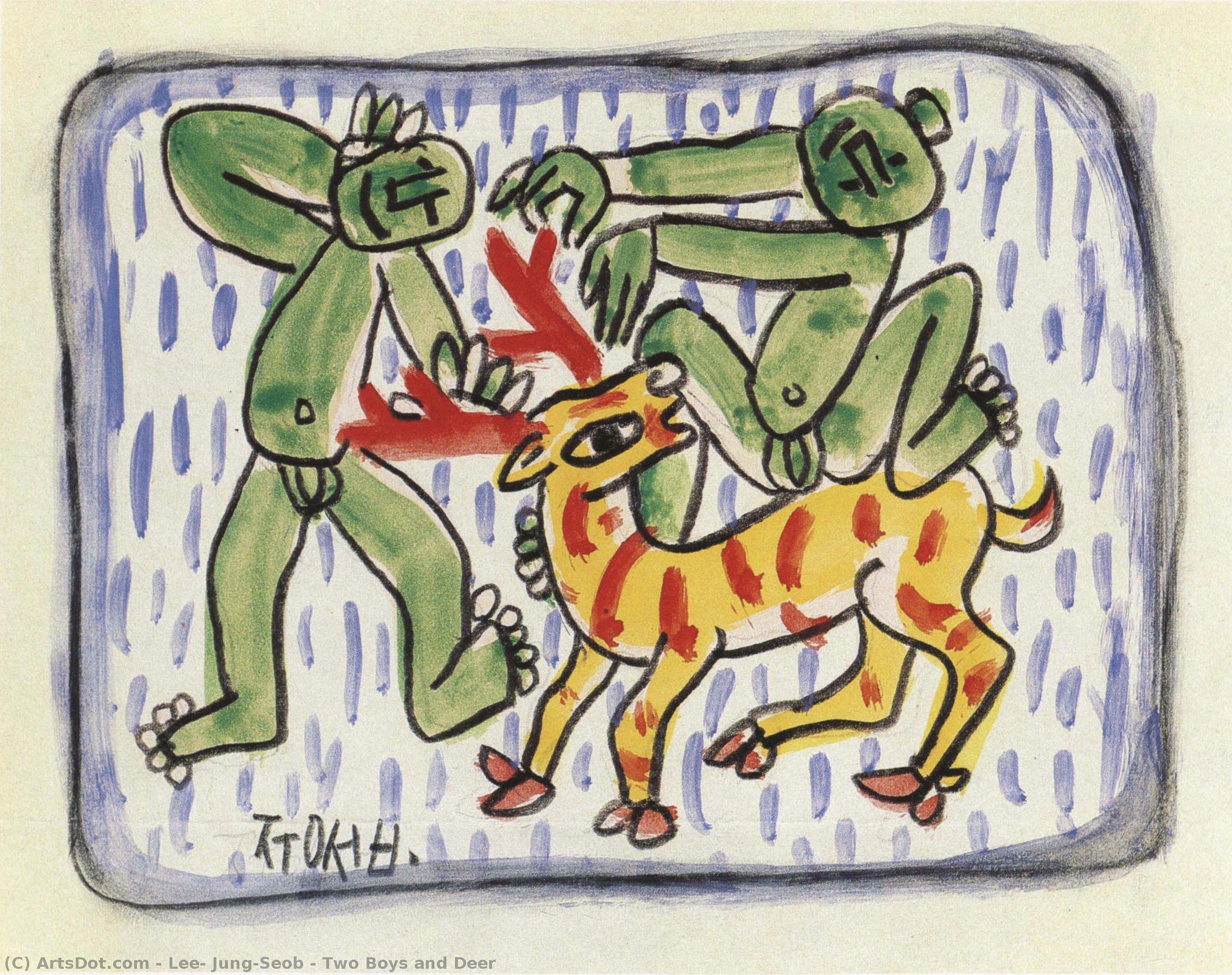
Two Boys and Deer
 Acrylic On Canvas
- WallArt
- Korean Modernism
 17.0 x 13.0 cm
 국립중앙박물관
 더 보기
더 보기




P118B $10

P118H $10

P118W $10

P438Z $10

P508JH $12

P508YH $12

P805H $10

P805Z $10

P919BZ $10

P919G $10

P919XJ $10

P959ZH $10

P968JZ $12

W106C $8

W218G $10

W218JH $8

W218Y $10

W307PJ $10

W316G $10

W316PJ $8

W316Y $10

W398PJ $8

W4111J $10

W500HY $15

W500JH $15

W692G $12

W849H $8

W940BG $15

W953PJ $8




작품의 원본 비율을 유지하는 미리 설정된 크기 중에서 선택하세요.

특정 프레임이나 공간에 맞도록 직접 크기를 입력할 수 있습니다. 선택하신 크기가 원본 이미지의 비율과 일치하지 않는 경우, 작품을 자르거나 추가적인 손으로 그린 요소를 사용하여 그림을 확장합니다. 제작 시작 전 승인을 위해 디지털 목업을 보내드립니다.
화면 미리 보기는 실제 자르기 또는 확장을 반영하지 않습니다. 최종 구성은 목업을 통해서만 정확하게 확인하실 수 있습니다.
맞춤 크기 제작도 가능하지만, 원본 비율을 유지하기 위해 사전 정의된 목록에서 크기를 선택하시는 것을 권장합니다.
주문 후 OriginalUniqueArt.com 팀에서 상세 안내를 위해 고객님께 이메일을 보내드리며, 미리보기 시안을 제공해 드립니다.


 유리 옵션은 110cm 미만 크기에서만 선택 가능합니다.

Two Boys and Deer
재현 기법
복제본 크기
-


최종 결제 금액
$ 300
작품 상세 설명
A Moment Frozen in Time: Lee Jung-Seob’s “Two Boys and Deer”
Lee Jung-Seob's "Two Boys and Deer" isn’t merely a painting; it’s a poignant distillation of Korean life, memory, and the quiet dignity of rural existence. Completed in 1953, this watercolor captures a fleeting scene – two young men, likely brothers, engaged in a simple act of tending to a deer near a small stream. Yet, within this seemingly straightforward depiction lies a profound depth of emotion and a subtle commentary on the changing landscape of Korea during a turbulent era. The painting’s power resides not just in its subject matter but also in Lee's masterful use of color and light, creating an atmosphere both serene and subtly melancholic.
The scene unfolds within a meticulously rendered Korean countryside – rolling hills, dense foliage, and the reflective surface of a stream. The figures are dressed in muted greens and browns, blending seamlessly with their surroundings, suggesting a deep connection to the land. Lee’s technique is remarkably delicate; each brushstroke seems to capture the ephemeral quality of light filtering through the trees. Notice how he employs wet-on-wet watercolor techniques, allowing colors to bleed and blend naturally, creating an impressionistic effect that softens the edges and imbues the scene with a sense of hazy nostalgia. The deer itself, rendered with surprising detail despite its secondary role, embodies a quiet grace and vulnerability – a symbol often associated with innocence and connection to nature in Korean art.
The Artist’s Biography: A Life Shaped by Conflict
Lee Jung-Seob (1916-1956) was a pivotal figure in the development of Korean modernism, tragically cut short by his untimely death. Born in Pyeongannamdo during Japanese rule, he witnessed firsthand the struggles for independence and endured the devastation of the Korean War. His early life, marked by privilege and artistic training, abruptly shifted with the war’s arrival, forcing him to abandon his family home and relocate to Jeju Island. This displacement profoundly impacted his work, imbuing it with a sense of loss and longing – themes that resonate powerfully in “Two Boys and Deer.” Lee's artistic journey was fueled by a desire to capture the essence of Korean life, often focusing on rural scenes and everyday subjects, reflecting a deep respect for tradition and a yearning for a simpler existence.
His artistic influences were diverse, drawing from both traditional Korean painting styles and Western modernism. He studied at Teikoku Art School in Japan, where he experimented with Fauvist techniques before returning to Korea and developing his own distinctive style characterized by bold colors, expressive brushwork, and a focus on capturing the emotional resonance of his subjects. Lee’s work is often considered part of the “Korean School” movement, which sought to establish a uniquely Korean artistic identity in the aftermath of Japanese colonialism.
Symbolism and Emotional Resonance
Beyond its surface depiction, "Two Boys and Deer" carries layers of symbolic meaning. The deer itself represents purity, gentleness, and connection to nature – values deeply ingrained in Korean culture. The two boys, seemingly engaged in a quiet ritual, could symbolize the continuity of tradition or perhaps the anxieties surrounding the future as Korea navigated a period of immense social and political upheaval. Some art historians interpret their interaction as a subtle commentary on the changing roles of men within Korean society during this era.
The painting’s overall mood is one of quiet contemplation, tinged with melancholy. The muted colors, soft lighting, and understated details create an atmosphere of wistful remembrance – a feeling that echoes the sense of loss experienced by many Koreans following the war. Lee Jung-Seob masterfully uses these elements to evoke a powerful emotional response in the viewer, inviting us to reflect on themes of memory, identity, and the enduring beauty of the Korean landscape.
A Legacy Preserved: Reproductions and Artistic Significance
Today, “Two Boys and Deer” is held within the National Museum of Korea in Seoul, a testament to Lee Jung-Seob’s artistic legacy. High-quality reproductions are available, allowing art lovers worldwide to experience the beauty and emotional depth of this remarkable painting. When selecting a reproduction, consider the archival quality of the materials used – ensuring that the colors remain vibrant and true over time. This piece offers not only aesthetic pleasure but also a valuable window into Korean history and culture, reminding us of the resilience and enduring spirit of its people.
작가 약력
한국 유화의 거장
이중섭은 매혹적인 유화 작품들을 통해 미술계에 지울 수 없는 깊은 발자취를 남긴 한국의 저명한 예술가입니다. 1916년 대한민국 평안남도에서 태어난 그의 예술적 여정은 끊임없는 혁신과 자신의 뿌리에 대한 깊은 애착으로 점철되어 있었습니다.예술적 공헌
이중섭 하면 가장 먼저 떠오르는 것은 그의 상징적인 걸작인 '흰 소'입니다. 이 작품은 유화 물감을 다루는 그의 탁월한 기량을 증명하는 결정체라 할 수 있습니다. 또한 이 걸작을 비롯한 그의 여러 작품들은 한국의 전통적인 요소와 현대적인 기법을 조화롭게 결합한 그만의 독창적인 화풍을 여실히 보여줍니다.- 주요 작품:
- 가족과 비둘기 (대한민국 서울, 국립중앙박물관) - 종이 위에 그려진 애틋하고 가슴 뭉클한 유화 작품입니다.
- 아이들, 물고기, 게 (대한민국 서울, 국립중앙박물관) - 이중섭의 다채로운 예술적 스펙트럼을 보여주는 수채화입니다.
- 두 소년과 사슴 (대한민국 서울, 국립중앙박물관) - 그의 뛰어난 수채화 실력을 다시 한번 확인할 수 있는 작품입니다.
- 작품을 소장 중인 박물관:
- 국립중앙박물관 (대한민국 서울)
유산과 영향력
1956년 서울에서 맞이한 이중섭의 서거는 한 시대의 종말을 의미했지만, 동시에 미래 세대 한국 작가들을 위한 길을 열어주었습니다. 그의 예술적 영향력은 오늘날 수많은 현대 한국 화가들의 작품 속에서도 여전히 살아 숨 쉬고 있습니다. 이중섭의 더 많은 예술 세계를 탐험해 보세요: [https://OriginalUniqueArt.com/@/lee-jung-seob](https://OriginalUniqueArt.com/@/lee-jung-seob) | OriginalUniqueArt에서 그의 방대한 작품 컬렉션을 만나보실 수 있습니다. 다른 유명 예술가들에 대해서도 알아보세요: /ko/art/list/ | OriginalUniqueArt에서 위대한 예술가들의 목록을 살펴보세요.
이중섭
1916 - 1956 , 대한민국
주요 정보
- Artistic Movement Or Style: 한국 근대 미술
- Artists Or Movements Influenced By This Artist: ['야수파']
- Artists Who Influenced This Artist: ['고구려 고분 벽화']
- Date Of Birth: 1916년 4월 10일
- Date Of Death: 1956년 9월 6일
- Full Name: 이중섭
- Nationality: 한국
- Notable Artworks:
- 흰 소
- 가족과 비둘기
- 소년, 물고기, 게
- Place Of Birth: 대한민국 평안남도
관련 기사 더 보기

Watercolor Wonders: 10 Masterpieces That Redefined Art History | OriginalUniqueArt
Journey through 10 legendary watercolor masterpieces by Sargent, Turner & Homer! Explore iconic landscapes, portraits & floral art that redefined history. Find museum-quality reproductions and curated decor ideas at OriginalUniqueArt.com.

Ephemeral Visions: Exploring the Artistic Legacy & Contemporary Practice of Watercolor Painting
Explore the captivating world of watercolor painting! Discover its rich history, essential techniques, influential artists & collecting tips. A comprehensive guide for art enthusiasts from OriginalUniqueArt.

Ephemeral Visions: Exploring the History & Emotional Resonance of Watercolor Painting
Explore the captivating history of watercolor painting, from ancient techniques to modern masters like Kandinsky & Blake. Discover essential artists, collecting tips & the emotional power of this luminous medium. Expert insights for art enthusiasts.

Ephemeral Visions: Exploring the Artistic Legacy & Nuances of Watercolor Painting
Explore the captivating world of watercolor painting! Discover its rich history, essential techniques, influential artists & collecting tips from art experts. A comprehensive guide for enthusiasts.

수채화의 영원한 매력: 역사 속 걸작부터 현대적 실천까지
수채화의 역사부터 기법, 유명 작가까지! OriginalUniqueArt에서 고품질 수채화 복제품과 커스텀 제작 서비스를 만나보세요. 전문가 컨설팅으로 당신의 공간에 완벽한 예술 작품을.

