

 실제 크기로 보기
 보내기
보내기 공유하기
공유하기
 상세 보기
상세 보기 가이드 보기

 이미지 다운로드
 유사 작품 더 보기
 X-레이
X-레이 슬라이드 쇼 보기
 통계 정보
통계 정보John Feeney


 상세 보기
상세 보기
핸드메이드 유화 복제화
작가가 직접 캔버스에 손으로 그린 유화 작품으로, 원하는 크기와 액자로 맞춤 제작해 드립니다. ( 프린트 판매로 전환 디지털 이미지 판매 채널로 전환)




































작품의 원본 비율을 그대로 유지하는 프리셋 사이즈 중에서 선택해 보세요.

액자나 벽면 크기에 맞춰 필요한 가로와 세로 길이를 입력해 주세요. 본 작품은 수작업으로 제작되므로, 요청하신 비율에 따라 작가가 그림의 가장자리를 조금 더 넓게 그리거나 일부를 조정하여 작업할 수 있습니다. 작업 시작 전, 최종 확인을 위해 디지털 목업 이미지를 보내드립니다. 이 페이지에 표시된 이미지는 실제 결과물과 다를 수 있으며, 오직 목업 이미지만이 정확한 결과물을 보여줍니다.
주문 완료 후 OriginalUniqueArt.com 팀에서 상세 안내를 위해 고객님께 이메일을 보내드리며, 미리보기 시안을 함께 제공해 드립니다.


 유리 옵션은 110cm 미만 크기에서만 선택 가능합니다.

John Feeney
재현 매체
복제본 규격
-


총 결제 금액
₩ 410582
The Artist and His Style
Lance Calkin was a British painter known for his portraits and landscapes. His style is characterized by realism and attention to detail, which is evident in the John Feeney painting. The subject of the painting, John Feeney, is depicted with a stern expression, showcasing the artist's ability to capture the essence of his subjects.The Painting's Composition and Style
The painting's composition is simple yet effective, with John Feeney placed centrally in the frame. The use of oil on canvas allows for a level of depth and texture that adds to the overall impact of the painting. The artist's use of color is also noteworthy, with a muted palette that adds to the somber tone of the painting.- The painting is available for purchase as a handmade oil painting reproduction on OriginalUniqueArt.com
- More information about the artist and his works can be found on OriginalUniqueArt.com
- The original painting is housed at the Birmingham Museums and Art Gallery, which can be visited in person to see the painting up close
The John Feeney painting by Lance Calkin is a must-see for anyone interested in portrait painting and British art. Its captivating composition and attention to detail make it a standout piece that is sure to impress.
질의응답
"John Feeney"에 대한 가이드는 어디에서 확인할 수 있나요?
"John Feeney"에 대한 안내는 작품의 가이드 페이지에서 확인하실 수 있습니다. 이 페이지는 작품의 캡션, 크레딧, 그리고 상세 정보 표(작가, 제작 연도, 재료, 원본 크기, 소장처)를 포함하여 출력 가능한 형태의 팩트시트로 제공됩니다.
"John Feeney"의 색상들은 빛을 어느 정도나 반사하는 것처럼 보이나요?
Lance Calkin의 "John Feeney"의 휘도는 Dark입니다. 휘도는 색상이 빛을 얼마나 반사하는지를 나타냅니다.
Lance Calkin의 "John Feeney"은(는) 몇 년도에 제작되었나요?
Lance Calkin의 "John Feeney"은(는) 1906년에 제작되었습니다.
작가 소개
The Quiet Dignity of a Victorian Master
In the golden, twilight era of the nineteenth century, few artists captured the somber elegance and social gravity of British life as intimately as Lance Calkin. Born in London in 1859, Calkin was a product of both musical heritage and rigorous academic discipline. As the son of a musician, he likely developed an early sensitivity to rhythm and harmony—qualities that would later manifest in the balanced compositions and tonal precision of his oil paintings. His formal journey through the prestigious Slade School of Fine Art and the Royal Academy Schools provided him with a formidable foundation in classical principles, instilling a lifelong devotion to anatomical accuracy and the subtle interplay of light and shadow.
By 1895, Calkin had firmly established his professional presence by joining the Royal Institute of Painters in Oil Colours. This period marked his emergence as a significant voice within the British art community, a time when portraiture served not merely as a record of likeness but as a profound statement of character and social standing. His work was never characterized by the loud or the flamboyant; instead, he mastered the art of the understated. Through a meticulous application of paint, Calk in sought to reveal the inner essence of his subjects, using minute shifts in expression and posture to convey a sense of moral seriousness and quiet dignity that resonated with the Victorian ideals of his era.
A Legacy Captured in Oil and Ink
The breadth of Calkin’s oeuvre is a testament to his versatility as a chronicler of his time. While he is most celebrated for his portraits, his repertoire extends into historical scenes and poignant social commentaries that capture the tension of a changing world. His ability to navigate between the formal rigidity of high-society portraiture and the raw emotion of historical events allowed him to document the Victorian zeitgeist with unparalleled depth.
Among his most notable contributions to the art historical record are works that highlight his technical mastery and thematic range:
- The Portrait of Arthur Wellesley Peel, First Viscount Peel: A definitive example of Calkin’s ability to utilize tonal gradation to bestow a sense of nobility and permanence upon his subjects.
- Reverend E. F. Witts (1884–1886): In this depiction of the Rector of Upper Slaughter, Calkin demonstrates a profound capacity for spiritual solemnity, using light to evoke a sense of divine grace.
- John Feeney: A 1906 masterpiece that showcases his skill in capturing the weight of industrial-era prominence through realistic textures and a commanding presence.
- The Patchwork Quilt (1887): An exploration of domesticity and texture that reveals his ability to find beauty in the intricate details of everyday life.
- Boer War: Wounded Soldiers Awaiting Medical Help: A departure from formal portraiture, this watercolor demonstrates his capacity for empathy and his ability to document the harrowing realities of conflict with a delicate yet powerful hand.
Historical Significance and Enduring Influence
Lance Calkin’s significance lies in his role as a visual historian. He did not merely paint faces; he painted the soul of an empire at its peak and during its transition into modernity. His work serves as a bridge between the rigid traditions of the Royal Academy and the burgeoning realism that would come to define much of late nineteenth-century art. By eschewing dramatic artifice in favor of truthful representation, he provided a window into the psychological landscape of the Victorian gentleman, the clergyman, and the common soldier alike.
Though his career spanned the turn of the century, the enduring power of his paintings lies in their timelessness. The meticulous detail with which he rendered fabric, skin, and light ensures that his subjects remain vibrant and present to the modern viewer. Today, as we look back upon the works of Calkin, we find more than just historical artifacts; we find a profound meditation on human dignity, captured through the steady, masterful hand of an artist who understood that the greatest truths are often found in the quietest moments.

Lance Calkin
1859 - 1936
작가 정보 요약
- Artistic Movement Or Style: Victorian Portraiture
- Artists Or Movements Influenced By This Artist: ['Arthur Wellesley Peel']
- Artists Who Influenced This Artist: ['Henry Sigismund Uhlrich']
- Date Of Birth: 1859
- Date Of Death: 1936
- Full Name: Lance Calkin
- Nationality: British
- Notable Artworks: ['John Feeney']
- Place Of Birth: London, England
관련 기사

The Enduring Legacy of Oil on Canvas: Technique, History & Aesthetic Impact
Explore the rich history & techniques of oil painting – from Renaissance masters to Impressionism. Discover pigments, layering methods, and why this timeless medium endures. Expert insights for artists & art enthusiasts.
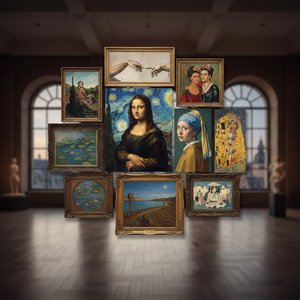
Oil on Canvas Masters: 10 Paintings That Redefined Art History |
Journey through art history with our guide to 10 legendary oil on canvas masterpieces! Explore iconic works by Van Gogh, Monet & Rembrandt. Find museum-quality reproductions and elevate your home decor at . Discover all masterpieces online.

Oil on Canvas: A Historical & Technical Exploration of a Timeless Artistic Medium
Explore the rich history & enduring techniques of oil painting on canvas. Discover the science behind its longevity, conservation practices, and contemporary relevance. Expert insights for art enthusiasts.
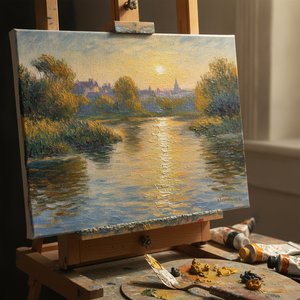
The Soul of Impressionism: Why Oil on Canvas Captures Eternal Light and Timeless Emotion
Discover the enchanting alchemy of Impressionism. Explore how the mastery of oil on canvas, through glazing and impasto, captures eternal light and emotion. Perfect for lovers of Monet and Van Gogh seeking the profound depth of hand-painted fine art.

캔버스의 유산: 기법, 역사 그리고 현대적 실천
유화의 역사와 기법부터 현대적 실천까지, 캔버스의 모든 것을 심도 있게 다룹니다. 주요 화가들의 작품 분석과 유화 제작 과정을 상세히 안내하며, 아트 컬렉션을 위한 최고의 정보를 제공합니다.