- 홈

- 디지털 이미지 작품
- kim whan-ki
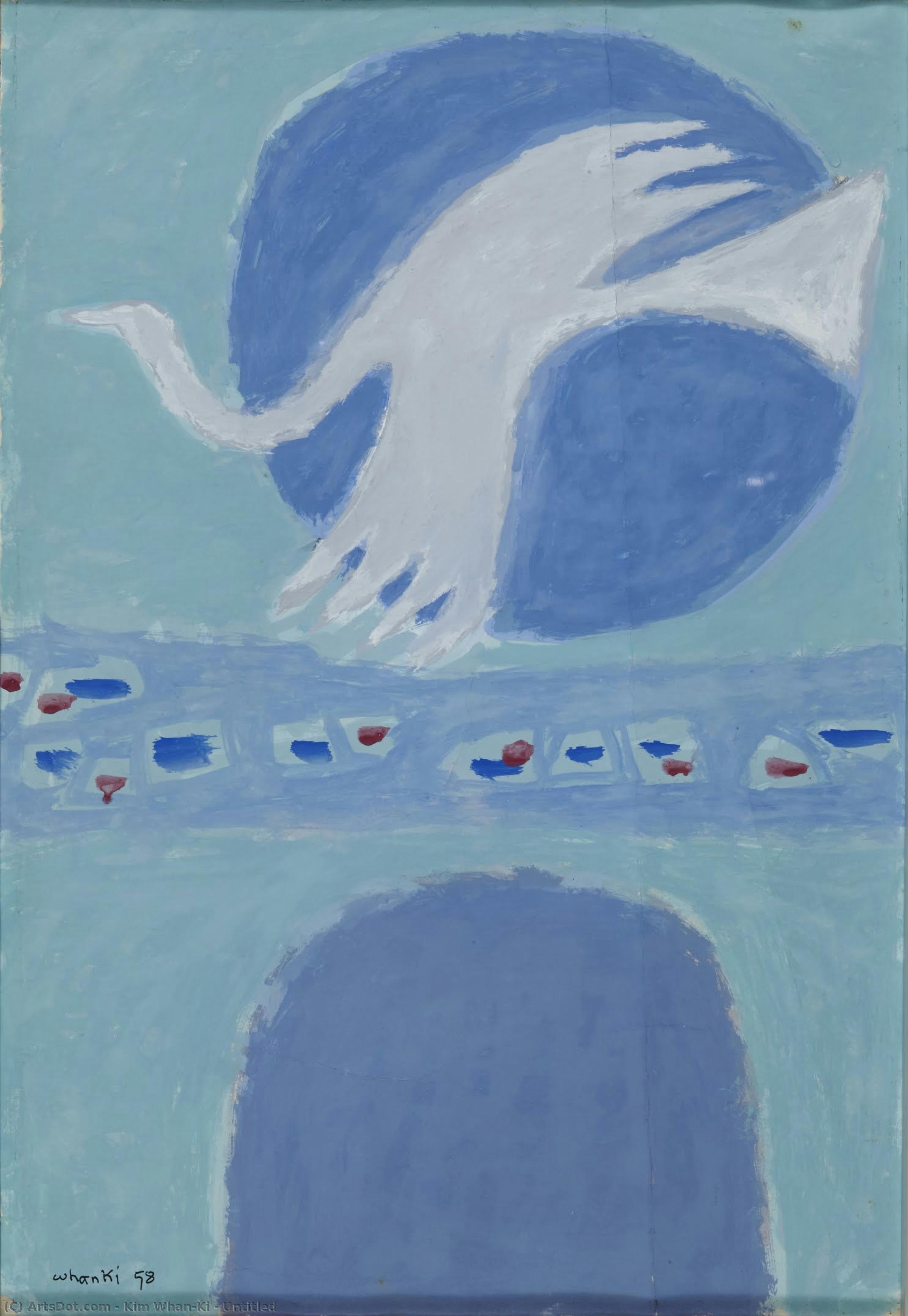
- Untitled
 Preview
 프린트 구매하기
 공유하기
공유하기 공유하기
공유하기
 상세 정보
상세 정보

 다운로드
다운로드
 유사 작품
유사 작품 X-레이
X-레이 슬라이드 쇼
Untitled
 Abstract Art
 1958
1958- Modern
 42.0 x 28.0 cm
 Ewha Womans University Museum
 더 보기
더 보기
온라인 미리보기보다 훨씬 뛰어난 품질의 고해상도 디지털 이미지를 구매해 보세요.
각 파일은 사내 전문가가 고급 도구와 숙련된 수동 리터칭 기술을 사용하여 세심하게 준비합니다. 우리는 모든 이미지가 탁월한 선명도, 정확한 색상 재현력, 그리고 미세한 디테일까지 완벽하게 갖추도록 보장합니다.
최종 파일은 전문적인 편집 및 인쇄 환경에서 즉시 사용할 수 있도록 최적화되어 72시간 이내에 이메일로 발송됩니다. 이는 세계적인 디자인 스튜디오, 출판사 및 갤러리가 신뢰하는 것과 동일한 품질입니다.
모든 디지털 이미지 주문에 포함된 혜택
전문적인 디지털 이미지 전송 보장
OriginalUniqueArt.com를 선택하시면 단순히 이미지를 받는 것을 넘어, 정밀한 보정 과정을 거친 전문적인 디지털 예술 작품을 만나보실 수 있습니다. 모든 작품에는 만족 보장 서비스가 함께 제공되며, 주문 시 다음과 같은 사항들이 자동으로 포함됩니다:

빠른 이메일 전송
주문 후 72시간 이내에 고해상도 디지털 이미지 파일이 이메일로 발송되며, 즉시 사용하실 수 있습니다.

AI 기술로 향상된 디지털 파일
귀하의 작품은 고급 AI 도구와 수동 편집 과정을 거쳐 전문적으로 최적화되며, 이를 통해 디테일과 선명도, 색상의 정확도를 극대화합니다.

평생 무료 재전송 서비스
파일을 실수로 삭제하거나 분실하셨나요? 걱정 마세요. 언제든 무료로 다시 보내드립니다.

추가 수입 비용 없음 - 언제나
관세나 부가세, 배송비 부담 없이 작품을 즉시 감상하세요 - 디지털 다운로드는 언제나 면세 혜택이 적용됩니다.

정확한 색상 보장
전문적인 도구와 색상 관리 시스템을 통해 디지털 이미지가 원본의 색상을 최대한 정확하게 구현하도록 보장합니다.

60일 만족 보장제
구매하신 디지털 이미지에 만족하지 못하실 경우, 60일 이내에 수정 또는 100% 환불을 진행해 드립니다 - 어떠한 문의도 필요 없습니다.

100% 환불 보장
만족하지 못하셨나요? 디지털 파일을 수령하신 후 60일 이내라면 별도의 이유를 밝힐 필요 없이 전액 환불해 드립니다.

대량 주문 할인
이미지 3매 구매 시 10% 할인 - 5매 구매 시 15% 할인 - 10매 이상 구매 시 20% 할인. 크리에이티브 프로젝트, 갤러리, 에이전시에 매우 유용합니다.
수집품 상세 설명
작가 소개
Henri Matisse: A Life Painted in Color and Light
Born Henri Émile Benoît Matisse on December 31, 1869, in Cateau-Béart, Northern France, Matisse’s journey to becoming one of the most influential figures in modern art was marked by a relentless pursuit of beauty, color, and form. His early life, shaped by a modest upbringing and a keen interest in drawing from a young age, laid the foundation for a career that would revolutionize painting and profoundly impact generations of artists. Matisse’s artistic development wasn't immediately defined; he initially studied law at the École Supérieure des Beaux-Arts de Nancy, but quickly abandoned his legal aspirations to pursue his passion for art.
His formative years were spent in Paris, where he immersed himself in the vibrant artistic scene of the late 19th century. He encountered and was influenced by Impressionism and Post-Impressionism, particularly the bold color palettes and expressive brushwork of artists like Paul Gauguin and Vincent van Gogh. This exposure proved pivotal, shaping his own distinctive style – a synthesis of observation and imagination that prioritized emotional impact over strict representation.
The Fauvist Period: A Burst of Color
Around 1905, Matisse emerged as a leading figure in the Fauvist movement, a short-lived but intensely influential artistic rebellion. The term “Fauves,” meaning “wild beasts” in French, was initially applied derisively to this group of artists by critics who were shocked by their use of jarring, non-naturalistic colors – vibrant reds, yellows, blues, and greens – applied with loose, arbitrary brushstrokes. Matisse’s paintings from this period, such as *Woman with a Hat* (1905) and *The Joy of Life* (1906), exemplify the Fauvist aesthetic: simplified forms, flattened perspectives, and an almost hallucinatory intensity of color designed to evoke emotion rather than depict reality.
However, Matisse quickly moved beyond the strict tenets of Fauvism. He began experimenting with new techniques and approaches, gradually refining his style while retaining the core principles of color and expressive brushwork. He sought a balance between formal structure and emotional intensity, moving towards a more controlled and harmonious use of color.
Mature Style: Harmony, Rhythm, and Decorative Abstraction
Following World War I, Matisse’s artistic vision underwent a significant transformation. He developed a distinctive mature style characterized by a remarkable sense of harmony, rhythm, and decorative abstraction. He moved away from the overtly expressive colors of his Fauvist period, employing a more restrained palette – primarily blues, reds, and yellows – to create compositions that were both visually engaging and deeply contemplative. Works like *Blue Nude* (1908) and *The Red Studio* (1911) demonstrate this shift towards a more balanced and sophisticated aesthetic.
During the 1920s, Matisse explored the possibilities of paper cutouts – intricate designs created by removing sections from colored paper. These works, often imbued with a sense of playful spontaneity, showcased his mastery of composition and color while also revealing a new dimension to his artistic practice. He continued to work in painting throughout this period, producing iconic images like *Dance* (1910) and *Music* (1910), which capture the essence of movement and emotion with remarkable grace.
Legacy and Influence
Henri Matisse died on November 3, 1954, leaving behind a vast and influential body of work. His innovative use of color, his exploration of form and composition, and his unwavering commitment to artistic expression have had a profound impact on the development of modern art. He influenced countless artists across various disciplines – painting, sculpture, printmaking, and design – and continues to inspire generations with his vibrant vision and enduring legacy.
Matisse’s work is celebrated in major museums worldwide, including the Musée d'Orsay in Paris, the MoMA in New York, and the Tate Modern in London. His paintings are not merely representations of reality but windows into a world of color, emotion, and beauty – a testament to the power of art to transform our perception and enrich our lives.

kim whan-ki
1913 - 1974 , South Korea
주요 정보
- Artistic Movement Or Style: Fauvism, Modernism
- Artists Or Movements Influenced By This Artist:
- Pablo Picasso
- Fauvism
- Artists Who Influenced This Artist:
- Paul Gauguin
- Vincent van Gogh
- Date Of Birth: December 31, 1869
- Date Of Death: November 3, 1954
- Full Name: Henri Matisse
- Nationality: French
- Notable Artworks:
- Woman with a Hat
- The Joy of Life
- Blue Nude (Souvenir de Biskra)
- Dance
- Red Studio
- Place Of Birth: Paris, France

