

 실제 크기로 보기
 보내기
보내기 공유하기
공유하기
 상세 보기
상세 보기 가이드 보기

 이미지 다운로드
 유사 작품 더 보기
 X-레이
X-레이 슬라이드 쇼 보기
 통계 정보
통계 정보Night
 1964
1964 183.0 x 245.0 cm
 상세 보기
상세 보기
이 페이지에 표시된 작품은 저작권법의 보호를 받으며, 이에 따라 동일한 복제품을 제작하거나 판매하는 것은 법으로 금지되어 있습니다. 이러한 권리 보호는 다음과 같은 국제 협약에 따라 시행됩니다. 베른 협약 또한 다음에서 명시하는 법률을 포함한 국내법에 의해 보호됩니다. 미국 저작권법 제17조.
저희는 존중을 담은 합법적인 대안으로서, 원작에서 영감을 받은 맞춤형 수제 유화 작품을 제공합니다. 저희의 숙련된 전문 화가들은 원작의 스타일, 분위기, 예술적 정수를 면밀히 연구하여, 그 자체로 독창적인 창작물이면서도 원작과 동일한 감동을 불러일으키는 새로운 작품을 만들어냅니다.
이 방식은 저작권 보호를 받는 예술 작품을 복제하거나 그대로 재현하는 것이 아니기에 저작권 규정을 완벽히 준수합니다. 대신, 이는 창의적인 재해석의 과정을 거칩니다. 즉, 원작에서 영감을 받되 원작과 동일하지 않은 새로운 회화 작품을 의미합니다.
핸드메이드 유화 복제화
작가가 직접 캔버스에 손으로 그린 유화 작품으로, 원하는 크기와 액자로 맞춤 제작해 드립니다. ( 프린트 판매로 전환 디지털 이미지 판매 채널로 전환)




































작품의 원본 비율을 그대로 유지하는 프리셋 사이즈 중에서 선택해 보세요.

액자나 벽면 크기에 맞춰 필요한 가로와 세로 길이를 입력해 주세요. 본 작품은 수작업으로 제작되므로, 요청하신 비율에 따라 작가가 그림의 가장자리를 조금 더 넓게 그리거나 일부를 조정하여 작업할 수 있습니다. 작업 시작 전, 최종 확인을 위해 디지털 목업 이미지를 보내드립니다. 이 페이지에 표시된 이미지는 실제 결과물과 다를 수 있으며, 오직 목업 이미지만이 정확한 결과물을 보여줍니다.
주문 완료 후 OriginalUniqueArt.com 팀에서 상세 안내를 위해 고객님께 이메일을 보내드리며, 미리보기 시안을 함께 제공해 드립니다.


 유리 옵션은 110cm 미만 크기에서만 선택 가능합니다.

Night
재현 매체
복제본 규격
-


총 결제 금액
₩ 407249
작가 소개
Kiki Kogelnik: Life and Legacy
Early Life and Education
Kiki Kogelnik (1935–1997) was a pivotal Austrian painter, sculptor, and printmaker. Born in Blagoveshchensk, Austria, she received her artistic training at the Vienna Academy of Fine Arts. This foundational education provided her with the technical skills that would later be employed in her innovative and often provocative works.
Artistic Development and Influences
Kogelnik’s early career, beginning in 1961 at Galerie nächst St. Stephan in Vienna, was marked by abstract compositions. Initially, she drew inspiration from artists like Serge Poliakoff of the École de Paris. However, Kogelnik quickly developed her own distinct style, moving away from pure abstraction and embracing the emerging Pop Art aesthetic. While often categorized within Pop Art, she frequently expressed reservations about being solely defined by this movement.
Key Themes and Artistic Style
Throughout her career, Kogelnik explored a range of themes including technology, consumerism, and – particularly in the 1970s – the representation of women in media. Her work is characterized by vibrant colors, bold shapes, and a playful yet critical approach to societal norms. She frequently utilized materials like vinyl and plastic, reflecting her interest in modern industrial processes.
- Her “Women Works” directly addressed stereotypical portrayals of femininity.
- She often incorporated elements of science fiction and space exploration into her art.
- Kogelnik’s sculptures and hangings are known for their dynamic forms and tactile qualities.
Major Achievements and Recognition
Kogelnik achieved significant recognition during her lifetime, exhibiting widely in Europe and the United States. A large retrospective of her work was held at the Belvedere Museum in Vienna in 1997, shortly after her death. In 1998, she was posthumously awarded Austria’s highest decoration for services to the country – the Decoration of Honour for Services to the Republic of Austria – a testament to her lasting impact on Austrian art and culture.
Historical Significance
Kiki Kogelnik is considered one of Austria's most important Pop-related artists. Her work challenged conventional artistic boundaries and offered a unique perspective on the social and political landscape of the 20th century. She paved the way for future generations of female artists, particularly those interested in exploring feminist themes and challenging societal expectations. Her innovative use of materials and her willingness to experiment with different forms continue to inspire artists today.
Death and Legacy
Kiki Kogelnik passed away on February 1, 1997, in Vienna due to cancer. She is buried in Bleiburg, Austria. Her legacy continues through her artwork, which remains highly sought after by collectors and museums worldwide.
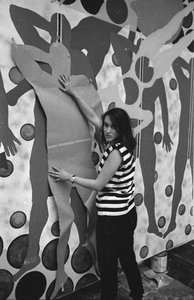
Kiki Kogelnik
1935 - 1997 , Austria
작가 정보 요약
- Name: Kiki Kogelnik
- Movement: Pop Art
- Birth Date: 1935
- Death Date: 1997
- Birth Place: Blagoveshchensk, Austria
- Nationality: Austrian
- Date Of Birth: 1935
- Date Of Death: 1997
- Influenced By: Serge Poliakoff
- Notable Works:
- Fly Me to the Moon
- Untitled (Skull)
- Place Of Birth: Blagoveshchensk, Austria