
 프린트 구매
 공유하기
공유하기 공유하기
공유하기
 상세 정보
상세 정보

 다운로드
다운로드
 유사 작품
유사 작품 슬라이드 쇼
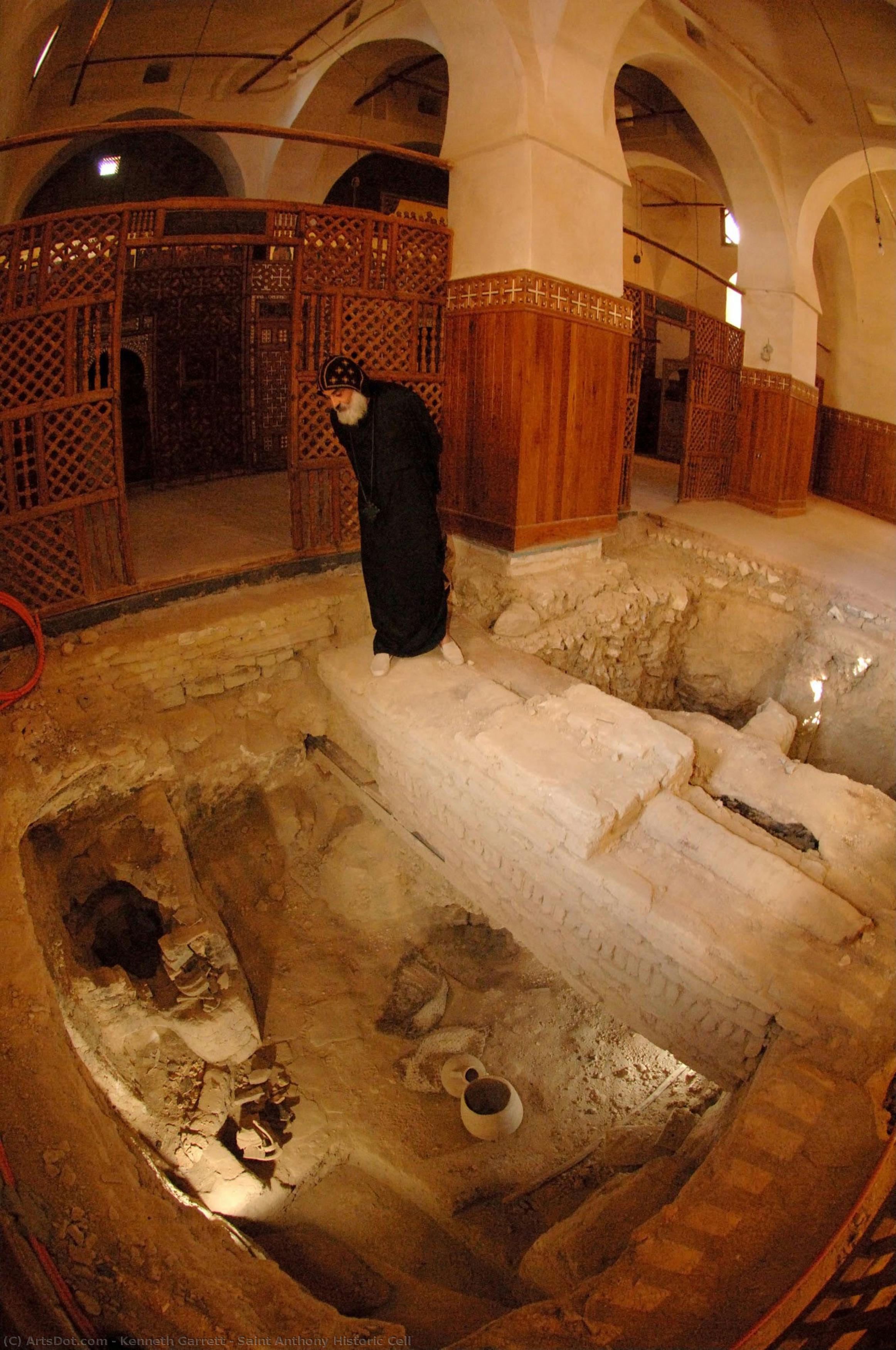
Saint Anthony Historic Cell
 Black and White Photography
- Photo
- Contemporary Realism
 2005
2005- Contemporary
 American Research Center in Egypt
 더 보기
더 보기




































작품의 원본 비율을 유지하는 미리 설정된 크기 중에서 선택하세요.

특정 프레임이나 공간에 맞도록 직접 크기를 입력할 수 있습니다. 선택하신 크기가 원본 이미지의 비율과 일치하지 않는 경우, 작품을 자르거나 추가적인 손으로 그린 요소를 사용하여 그림을 확장합니다. 제작 시작 전 승인을 위해 디지털 목업을 보내드립니다.
화면 미리 보기는 실제 자르기 또는 확장을 반영하지 않습니다. 최종 구성은 목업을 통해서만 정확하게 확인하실 수 있습니다.
맞춤 크기 제작도 가능하지만, 원본 비율을 유지하기 위해 사전 정의된 목록에서 크기를 선택하시는 것을 권장합니다.
주문 후 OriginalUniqueArt.com 팀에서 상세 안내를 위해 고객님께 이메일을 보내드리며, 미리보기 시안을 제공해 드립니다.


 유리 옵션은 110cm 미만 크기에서만 선택 가능합니다.

Saint Anthony Historic Cell
재현 기법
복제본 크기
-


최종 결제 금액
$ 300
작품 상세 설명
A Moment Frozen in Devotion
In the evocative monochrome of Saint Anthony Historic Cell, photographer Kenneth Garrett invites us into a sanctuary of profound stillness. The image captures a solitary figure, draped in the humble robes of a monk, standing within the hallowed embrace of a stone-vaulted chamber. There is an immediate, palpable sense of reverence that permeates the frame; as the man clasps his hands in prayer, the viewer is not merely observing a historical reenactment but is instead witnessing a timeless ritual of meditation and spiritual communion. The stark contrast of the black and white medium strips away the distractions of color, forcing our gaze to settle on the interplay of light and shadow that dances across the rugged textures of the ancient masonry.
The composition is masterfully balanced, blending the austerity of the architectural setting with the organic presence of life. Scattered throughout this stony retreat are various potted plants, their soft silhouettes providing a delicate counterpoint to the heavy, enduring weight of the vaulted ceiling. These botanical elements, nestled against walls and resting upon the floor, suggest a quiet persistence of nature within a man-made monument of faith. The inclusion of simple, utilitarian objects—two humble bowls placed thoughtfully within the space—adds a layer of grounded reality to the scene, reminding us that even in the heights of spiritual ecstasy, there remains a fundamental connection to the earthly needs of existence.
The Artistry of Archaeological Vision
Kenneth Garrett brings his specialized expertise in archaeological documentation to this piece, utilizing a technique that prioritizes historical truth over mere aesthetic spectacle. His approach is characterized by a meticulous attention to detail, where every crack in the stone and every fold in the subject's robe serves as a testament to the passage of time. By choosing a monochromatic palette, Garrett emphasizes the structural integrity of the cell, allowing the viewer to appreciate the geological and architectural nuances that define this historic space. This stylistic choice transforms a single moment into an eternal one, bridging the gap between the year 2005 and the ancient eras that the setting evokes.
For the discerning collector or interior designer, Saint Anthony Historic Cell offers more than just a visual subject; it provides an atmosphere of contemplative luxury. The piece possesses a unique ability to anchor a room, offering a focal point that encourages introspection and calm. Whether placed in a contemporary gallery setting or integrated into a classic, richly textured study, the photograph acts as a window into a world of quiet strength. It is a sophisticated choice for those seeking to infuse their environments with a sense of history, depth, and an enduring, soulful elegance.
작가 약력
The Visionary Lens of Kenneth Garrett
In the intersection of scientific rigor and profound artistic expression lies the work of Kenneth Garrett, a photographer whose lens serves as a bridge between the modern world and the echoes of antiquity. Born in Columbia, Missouri, in 1953, Garrett’s early life was defined by a dual fascination with the mechanics of visual storytelling and the mysteries of scientific inquiry. This unique foundation allowed him to develop a perspective that transcends mere documentation; he does not simply photograph what remains of the past, but rather seeks to breathe life into the silent stones and weathered artifacts of lost civilizations. His journey is one of meticulous observation, where every shadow and texture is treated as a vital piece of a much larger historical puzzle.
Garrett’s artistic evolution was deeply shaped by his immersion in the landscapes of global antiquity. Driven by an insatiable curiosity, he undertook extensive expeditions to the heart of ancient worlds, most notably within the sun-drenched terrains of Egypt and the dense, storied jungles of Mexico. These travels were more than mere sightseeing; they were profound periods of study that allowed him to witness active excavations and engage with the very soil where history was being unearthed. It was through these experiences that his style matured, moving away from the superficial spectacle often found in travel photography toward a deeply disciplined approach focused on the tangible realities of bygone eras.
Technical Mastery and Narrative Depth
What distinguishes Garrett’s work within the realm of documentary photography is his sophisticated use of light and technology to reveal the unseen. He possesses a rare ability to manipulate illumination, frequently employing High Dynamic Range (HDR) techniques to pull detail from the deepest crevices of archaeological finds. By balancing extreme highlights and subtle shadows, he illuminates textures and contours that would otherwise escape the naked eye, allowing viewers to appreciate the intricate carvings of Mayan reliefs or the weathered grain of Egyptian limestone with startling clarity. His images are characterized by a deliberate blend of technical precision and an almost poetic sensitivity to form.
The significance of his work is perhaps best measured by its impact on the global scientific community and the public consciousness. Through his collaborations with prestigious institutions, Garrett has elevated archaeological research into a compelling visual narrative that resonates far beyond academic circles:
- National Geographic: His publication of over seventy photographs in this legendary magazine has brought the wonders of paleontology and archaeology to millions, fostering a global sense of awe for our planet's history.
- The Smithsonian Institution: His imagery has been featured by the Smithsonian, contributing to the preservation and dissemination of cultural heritage through powerful visual storytelling.
- Scientific Documentation: Beyond the aesthetic, his work serves as a vital record of archaeological sites, capturing the essence of artifacts and environments during critical moments of discovery.
A Legacy of Preserving the Past
Ultimately, the work of Kenneth Garrett is an act of preservation. In an era where much of our global heritage is threatened by time and environmental change, his photographic archive stands as a testament to the enduring majesty of human achievement. He does not merely capture images; he creates windows into the past, inviting the viewer to contemplate the rise and fall of empires and the geological wonders that shaped our world. Through his mastery of light and his unwavering commitment to historical truth, Garrett ensures that the stories etched in stone and bone are never truly lost, but continue to inspire wonder for generations to come.

Kenneth Garrett
1953 - , United States of America
주요 정보
- Artistic Movement Or Style: Archaeology photography
- Artists Or Movements Influenced By This Artist: ['National Geographic']
- Date Of Birth: 1953
- Full Name: Kenneth Garrett
- Nationality: American
- Notable Artworks: ['Kom El Dikka Amphitheatre']
- Place Of Birth: Columbia, United States
관련 기사 더 보기

Monochrome Visions: Exploring the Aesthetic & Historical Significance of Black & White Photography
Explore the rich history & artistic power of black and white photography. From early techniques to iconic masters like Ansel Adams, discover why monochrome continues to captivate art lovers today. Expert insights for collectors.

Beyond the Lens: Photography's Enduring Influence on Modern & Contemporary Art
Explore photography's pivotal role in shaping modern & contemporary art. Discover key movements, influential artists like Stieglitz, and expert collecting advice from OriginalUniqueArt.

The Lens of Truth: A Comprehensive History and Legacy of Documentary Photography
Explore the profound history of documentary photography. From early daguerreotypes to social reform movements, discover how the lens captures truth, preserves vanishing cultures, and shapes our global visual narrative through an expert art-historical lens.
Beyond Color: The Timeless Power and Artistry of Black and White Photography
Explore the profound artistry of black and white photography. From the chemistry of gelatin silver to the chiaroscuro of the Old Masters, discover how monochrome captures the eternal essence of light, form, and emotion for the discerning art collector.
Timeless Shadows: The Artistry, History, and Emotional Resonance of Black and White Photography
Explore the profound artistry of black and white photography. From historical mastery to the interplay of light and shadow, discover how monochrome captures timeless emotion and form through a sophisticated lens of art history.

