Pop Art · 1990
Icons (키스 해링, 1990)
키스 해링 (1958–1990) 작가의 Icons 1990년에 제작되었습니다. Pop Art 운동에 속합니다. Acrylic On Canvas(으)로 제작되었습니다. 호쿠토, Japan에 위치한 Nakamura Keith Haring Collection에 소장되어 있습니다.
- 1990
- Acrylic On Canvas
- Nakamura Keith Haring Collection, 호쿠토

 미리보기

 수작업 유화 작품
 공유하기
 공유하기
 학습용 요약본


 다운로드
 유사 작품 더 보기
 X-레이
 슬라이드 쇼 보기
 질의응답

 통계 정보
Icons 요약
- 제목
- Icons
- 작가
- 키스 해링 (1958–1990)
- 작가 출생지
- 레딩, 미국
- 제작 연도
- 1990
- 매체
- Acrylic On Canvas
- 전시 장소
- Nakamura Keith Haring Collection, 호쿠토, Japan
- 운동성
- Pop Art
- 제작 시기
- Modern
- 주제
- keith haring, radiant baby, iconic figure, symbolism, new york art, youthful innocence
Icons은(는) 무엇을 묘사하고 있나요?
A Radiant Echo: Exploring Keith Haring’s ‘Icons’
Published in 1990, the year of Keith Haring's untimely passing, this striking lithograph series – collectively known as ‘Icons’ – offers a poignant glimpse into the heart of one of New York City’s most influential and enduring artistic voices. More than just a collection of instantly recognizable figures, these images represent a potent distillation of Haring’s vision: a vibrant exploration of innocence, social commentary, and the complexities of human experience. The artwork itself, dominated by the iconic ‘Radiant Baby,’ immediately draws the viewer into its world of bold color and simplified forms – a testament to Haring's deliberate rejection of academic art traditions in favor of direct communication with the public.
The Language of Symbols: Decoding Haring’s Figures
- The Radiant Baby: Perhaps the most frequently referenced image within the series, the ‘Radiant Baby’ transcends mere representation. Initially conceived as a symbol of youthful innocence, purity, and potential, it quickly evolved into a powerful emblem of hope amidst societal anxieties. Haring himself described it as a reflection of his own self, embodying vulnerability and the desire for a better future.
- The Dog: This seemingly simple depiction of a barking dog carries a surprising weight. While lacking explicit symbolism, its presence often signifies action, suspicion, and the inherent challenges within human interaction. Haring’s ability to imbue everyday objects with profound meaning is central to his artistic legacy.
- The Angel: Representing both spiritual guardianship and the chaotic forces of life, ‘The Angel’ embodies a complex duality. It speaks to humanity's yearning for guidance while acknowledging the inherent instability and power dynamics that shape our world.
- The Winged Man: The ‘Winged Man,’ with its prominent ‘x’ marking, is laden with symbolic weight. Interpreted as both a mark of death and a representation of mystery, it serves as a potent reminder of mortality and the unknown.
- The Smiley Face: This ubiquitous figure, often described by Haring himself as having “no particular meaning,” has become an icon in its own right. Initially conceived as a mysterious figure associated with greed and excess, it has also been interpreted as representing the boundless possibilities of the cosmos – a testament to Haring’s playful ambiguity.
Technique and Context: A Revolutionary Approach
Created as lithographs, this series showcases Haring's mastery of printmaking techniques while retaining the raw energy of his original drawings. The bold black and orange palette – a deliberate choice reflecting the vibrancy of 1980s New York – amplifies the impact of each figure. Produced in 1990, shortly before Haring’s death, the ‘Icons’ series serves as a powerful memorial to his artistic legacy and a poignant reminder of his commitment to social justice and public engagement. Haring's work was deeply rooted in the street art movement, utilizing public spaces as his canvas and challenging traditional notions of artistic ownership.
Emotional Resonance: A Timeless Message
Beyond its technical brilliance and symbolic richness, ‘Icons’ possesses a profound emotional resonance. The artwork speaks to universal themes of innocence, hope, fear, and the search for meaning – emotions that continue to resonate with audiences today. The vibrant colors and instantly recognizable figures create an immediate connection, inviting viewers to contemplate their own place in the world. This reproduction offers a unique opportunity to own a piece of Keith Haring’s revolutionary art, a testament to his enduring influence on contemporary culture.
Icons은(는) 어느 미술관에 소장되어 있나요?
Nakamura Keith Haring Collection
호쿠토, Japan
빛나는 선들의 안식처: 나카무라 키스 해링 컬렉션 일본 호쿠토의 숨 막히게 아름다운 야츠가타케 산맥 깊숙한 곳에, 예술 애호가와 생동감 넘치는 표현을 사랑하는 이들을 위한 진정으로 독특한 목적지가 자리하고 있습니다. 바로 나카무라 키스 해링 컬렉션입니다. 이곳은 단순한 박물관 그 이상이며, 한 남자의 비범한 비전 속으로 떠나는 몰입형 순례와 같습니다.
Icons의 고해상도 이미지

Protected by copyright: these files are for personal reference, not a licence to republish.
키스 해링, Icons (1990), Nakamura Keith Haring Collection.
Icons에 관한 질문과 답변
현재 키스 해링의 "Icons"은(는) 어디에서 관람할 수 있나요?
키스 해링의 "Icons"은(는) Nakamura Keith Haring Collection, 호쿠토, Japan에 전시되어 있습니다. 박물관 목록은 복제품이 아닌 원작을 기준으로 합니다.
"Icons"은 어떤 기법으로 제작되었나요?
"Icons"은(는) 어떤 내용을 담고 있나요?
"Icons"은(는) 저작권으로부터 자유로운가요?
키스 해링의 "Icons"은(는) 어떤 미술 사조에 속하나요?
"Icons"은(는) Pop Art 양식의 작품입니다. 이 사조는 해당 작품이 속한 예술적 전통을 나타냅니다.
Icons은(는) 키스 해링의 예술적 여정 중 어느 시기의 작품인가요?
아티스트 키스 해링 소개

1958–1990, 미국
키스 해링
찬란한 유산: 키스 해링의 삶과 예술 키스 앨런 해링이라는 이름은 1980년대 뉴욕시의 활기 넘치는 맥박과 불가분의 관계를 맺고 있습니다. 그는 단순한 예술가를 넘어선 문화적 현상이었습니다. 1958년 5월 4일 펜실베이니아주 리딩에서 태어난 그의 예술 여정은 학문의 형식적인 틀 안에서 시작된 것이 아니라, 어린 시절 상상의 놀이터 속에서 피어났습니다. 월트 디즈니와 닥터 수스 같은 기발한 만화들과 찰스 슐츠의 고전적인 만화책에 영향을 받은 젊은 키스는 시각적 스토리텔링에 대한 예리한 감각을 키웠습니다.
키스 해링의 다른 작품들
 몽트뢰
 무제 (235)
 제단화: 그리스도의 생애1990
 앤디 마우스1986
Icons 관련 에세이
 The Language of Devotion: Understanding Religious Iconography in Global Art HistoryExplore the profound meaning behind sacred symbols and religious art history. Unlock the secrets of global iconography today.
 Mastering Realism: The Top 25 Iconic Artworks by Hans Holbein the YoungerStep into the Northern Renaissance with our curated guide to the top 25 Hans Holbein the Younger masterpieces. Explore breathtaking realism…
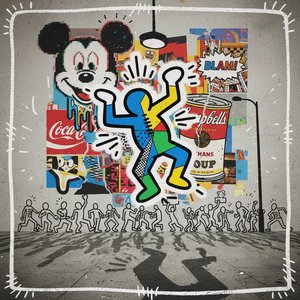 Keith Haring: Subverting Pop Culture – An Examination of Social Commentary & Artistic InnovationExplore the revolutionary art of Keith Haring – a powerful blend of pop aesthetics & social activism. Discover his iconic works, influences…