Pop Art · 1990
Icons (키스 해링, 1990)
키스 해링 (1958–1990) 작가의 Icons 1990년에 제작되었습니다. Pop Art 운동에 속합니다. Lithograph(으)로 제작되었습니다. 호쿠토, Japan에 위치한 Nakamura Keith Haring Collection에 소장되어 있습니다.
- 1990
- Lithograph
- Nakamura Keith Haring Collection, 호쿠토

 미리보기

 수작업 유화 작품
 공유하기
 공유하기
 학습용 요약본


 다운로드
 유사 작품 더 보기
 X-레이
 슬라이드 쇼 보기
 질의응답

 통계 정보
Icons 요약
- 제목
- Icons
- 작가
- 키스 해링 (1958–1990)
- 작가 출생지
- 레딩, 미국
- 제작 연도
- 1990
- 매체
- Lithograph
- 전시 장소
- Nakamura Keith Haring Collection, 호쿠토, Japan
- 운동성
- Pop Art
- 제작 시기
- Modern
- 주제
- keith haring, icons series, radiant baby, smiling face, urban imagery, symbolic figures
Icons은(는) 무엇을 묘사하고 있나요?
A Chronicle of Innocence and Mystery: Unpacking Keith Haring’s “Icons”
Keith Haring's "Icons," created in 1990 during the final year of his tragically short life, stands as a potent distillation of his revolutionary artistic vision. Published alongside the artist’s passing, this lithograph series – featuring his signature TAG characters – immediately resonates with an urgency born from its historical context: the vibrant, chaotic energy of 1980s New York City and Haring's own fervent engagement with social issues. The image itself, a close-up rendering of the “Radiant Baby,” is deceptively simple yet profoundly layered with meaning, inviting endless interpretation and reflecting the artist’s deeply personal reflections on life, death, and the human condition.
- The Radiant Baby: Haring's most iconic figure, the crawling baby, embodies youthful innocence, purity, and potential. Initially conceived as a symbol of hope amidst the AIDS crisis, its open-mouthed expression – rendered in unsettling shades of purple and teeth – subtly shifts this interpretation. The wide eyes suggest not just naiveté but also a disconcerting awareness, perhaps even a premonition of the complexities and dangers that lie ahead.
- Symbolic Gestures: Beyond the immediate visual impact, "Icons" is replete with symbolic gestures. The ‘x’ on the “Winged Man”’s chest, a recurring motif, represents both death and mystery, acting as a marker of transition or a signpost to the unknown.
- The Smiley Face: Haring's enigmatic "Smiley Face," often depicted with an unsettlingly wide grin, presents a fascinating paradox. Initially intended as a symbol of joy and connection, it quickly became associated with greed, excess, and the darker aspects of consumer culture – a reflection of the anxieties prevalent in late 20th-century society.
Technique and Style: A Bold Fusion
Created as a lithograph, “Icons” showcases Haring’s masterful manipulation of printmaking techniques. His signature black outlines are rendered with remarkable precision, creating a graphic intensity that is both immediate and enduring. The use of flat color fields – particularly the vibrant yellow of the smiling face – contributes to the work's iconic status, echoing the bold, almost cartoonish aesthetic he developed throughout his career. Haring’s technique was deliberately accessible, rejecting traditional academic approaches in favor of direct communication with a broad audience, reflecting his desire to engage with social and political issues through art.
Historical Context and Legacy
"Icons" was produced during a pivotal moment in Haring's artistic trajectory. His work, initially created as spontaneous chalk drawings on the sidewalks of New York City, quickly gained recognition for its raw energy and direct engagement with urban life. The series reflects his growing interest in spirituality and his exploration of themes related to identity, power, and social justice. The fact that it was completed in the same year as Haring’s death adds a poignant layer to the work, transforming it into a memorial to a brilliant and tragically short-lived talent.
Emotional Impact and Collectible Value
More than just a visually striking image, “Icons” evokes a powerful emotional response. The unsettling juxtaposition of innocence and menace within the "Radiant Baby" forces viewers to confront uncomfortable truths about human nature and societal values. As a key work from Keith Haring’s oeuvre, this lithograph holds significant historical and artistic value, making it a compelling addition to any collection. Its vibrant colors, bold lines, and layered symbolism ensure its continued relevance and appeal for art lovers, collectors, and interior designers alike.
Icons은(는) 어느 미술관에 소장되어 있나요?
Nakamura Keith Haring Collection
호쿠토, Japan
빛나는 선들의 안식처: 나카무라 키스 해링 컬렉션 일본 호쿠토의 숨 막히게 아름다운 야츠가타케 산맥 깊숙한 곳에, 예술 애호가와 생동감 넘치는 표현을 사랑하는 이들을 위한 진정으로 독특한 목적지가 자리하고 있습니다. 바로 나카무라 키스 해링 컬렉션입니다. 이곳은 단순한 박물관 그 이상이며, 한 남자의 비범한 비전 속으로 떠나는 몰입형 순례와 같습니다.
Icons의 고해상도 이미지

Protected by copyright: these files are for personal reference, not a licence to republish.
키스 해링, Icons (1990), Nakamura Keith Haring Collection.
Icons에 관한 질문과 답변
현재 키스 해링의 "Icons"은(는) 어디에서 관람할 수 있나요?
키스 해링의 "Icons"의 원작은 Nakamura Keith Haring Collection, 호쿠토, Japan에 소장되어 있습니다. 복제화를 통해 이 작품을 집에서도 감상하실 수 있습니다.
키스 해링의 "Icons"의 기법은 무엇인가요?
"Icons"은(는) Lithograph 기법으로 제작되었습니다.
"Icons"은(는) 어떤 내용을 담고 있나요?
키스 해링의 "Icons"은(는) 퍼블릭 도메인인가요?
"Icons"은(는) 어떤 화풍에 속하나요?
Icons은(는) 키스 해링의 예술적 경력 중 어느 시기에 해당하나요?
아티스트 키스 해링 소개

1958–1990, 미국
키스 해링
찬란한 유산: 키스 해링의 삶과 예술 키스 앨런 해링이라는 이름은 1980년대 뉴욕시의 활기 넘치는 맥박과 불가분의 관계를 맺고 있습니다. 그는 단순한 예술가를 넘어선 문화적 현상이었습니다. 1958년 5월 4일 펜실베이니아주 리딩에서 태어난 그의 예술 여정은 학문의 형식적인 틀 안에서 시작된 것이 아니라, 어린 시절 상상의 놀이터 속에서 피어났습니다. 월트 디즈니와 닥터 수스 같은 기발한 만화들과 찰스 슐츠의 고전적인 만화책에 영향을 받은 젊은 키스는 시각적 스토리텔링에 대한 예리한 감각을 키웠습니다.
키스 해링의 다른 작품들
 몽트뢰
 무제 (235)
 제단화: 그리스도의 생애1990
 앤디 마우스1986
Icons 관련 에세이
 Mastering Realism: The Top 25 Iconic Artworks by Hans Holbein the YoungerStep into the Northern Renaissance with our curated guide to the top 25 Hans Holbein the Younger masterpieces. Explore breathtaking realism…
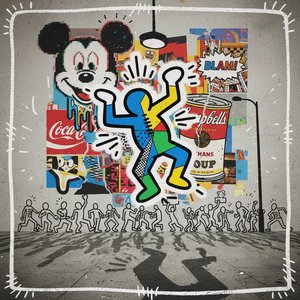 Keith Haring: Subverting Pop Culture – An Examination of Social Commentary & Artistic InnovationExplore the revolutionary art of Keith Haring – a powerful blend of pop aesthetics & social activism. Discover his iconic works, influences…
 Bold & Iconic: Reimagining the Feminine Figure Through Modern Pop and Street ArtExplore the electric fusion of Pop Art and Street Art through the reimagined feminine figure. Discover how bold icons like Lichtenstein and…