

 미리보기
미리보기
 공유하기
공유하기 공유하기
공유하기
 상세 정보
상세 정보

 다운로드
다운로드
 유사 작품
유사 작품 X-레이
X-레이 슬라이드 쇼
The Gardener


 더 보기
더 보기
지클레 / 아트 프린트
빠른 제작과 다양한 마감 옵션을 제공하는 박물관 품질의 지클레이 또는 캔버스 프린트. ( 손으로 그린 그림 구매 이미지 구매)




P118B $10

P118H $10

P118W $10

P438Z $10

P508JH $12

P508YH $12

P805H $10

P805Z $10

P919BZ $10

P919G $10

P919XJ $10

P959ZH $10

P968JZ $12

W106C $8

W218G $10

W218JH $8

W218Y $10

W307PJ $10

W316G $10

W316PJ $8

W316Y $10

W398PJ $8

W4111J $10

W500HY $15

W500JH $15

W692G $12

W849H $8

W940BG $15

W953PJ $8




작품의 원본 비율을 유지하는 미리 설정된 크기 중에서 선택하세요.

특정 프레임이나 공간에 맞춰 직접 치수를 입력하실 수 있습니다. 선택하신 사이즈가 원본 이미지의 비율과 일치하지 않을 경우, 작품을 크롭(자르기)하거나 이미지를 대칭 또는 단색 채우기로 확장하여 제작합니다. 제작 시작 전, 최종 확인을 위해 디지털 목업이 전송됩니다.
화면상의 미리보기는 실제 크롭이나 확장 상태를 반영하지 않으므로, 최종 구도는 오직 목업을 통해서만 정확하게 확인하실 수 있습니다.
맞춤 사이즈 제작도 가능하지만, 원본 비율을 유지하기 위해서는 사전 정의된 목록에서 치수를 선택하시는 것을 권장합니다.


 유리 옵션은 110cm 미만 크기에서만 선택 가능합니다.

The Gardener
지클레 / 아트 프린트
복제본 크기
-


최종 결제 금액
$ 80
The Gardener by Kazimir Malevich
Kazimir Severinovich Malevich (1879–1935) stands as a monumental figure in the history of modern art, recognized globally for his pioneering role in establishing Suprematism—a radical departure from representational painting that profoundly influenced subsequent artistic movements. Born in Kyiv Oblast, Ukraine, to Polish parents who had fled Poland’s failed January Uprising against Russian rule, Malevich's formative years instilled within him a deep appreciation for the visual traditions of rural Ukraine and its rich folk culture. This early exposure would subtly permeate his artistic vision, shaping his distinctive approach to abstraction and solidifying his legacy as one of the most influential artists of the 20th century. Formal training commenced in Kyiv, propelling Malevich towards Moscow where he immersed himself in the burgeoning avant-garde currents circulating throughout Europe. A pivotal journey to Paris in 1912 proved transformative, exposing him to the groundbreaking innovations spearheaded by Pablo Picasso and Georges Braque—the progenitors of Cubism—a movement that championed fragmented perspectives and multiple viewpoints. Recognizing the potential for artistic exploration beyond traditional conventions, Malevich embraced Cubist principles initially, diligently studying reproductions and analyzing the works amassed by discerning Russian collectors. However, he swiftly transcended stylistic constraints, forging his own path toward a more uncompromising vision of art.- Early Influences: The Ukrainian landscape and folk traditions provided an initial bedrock for Malevich’s artistic sensibilities.
- Parisian Exposure: Picasso and Braque's Cubism ignited Malevich’s imagination, prompting him to experiment with innovative compositional strategies.
- Formal Training: Studying at Kyiv Art Institute solidified Malevich’s grounding in traditional techniques while simultaneously fostering his intellectual curiosity about artistic theory.
- Collaboration: Working alongside Larionov and Goncharova fostered experimentation and broadened Malevich’s artistic horizons.
- Suprematism Theory: Malevich's writings championed pure geometric abstraction as a vehicle for conveying spiritual essence.
- Influence on Contemporaries: His work resonated with artists like August Macke and Morton Livingston Schamberg, inspiring them to explore similar stylistic approaches.
- Political Context: Stalin’s regime imposed limitations on artistic expression, prompting Malevich to adapt his style accordingly.
- Teaching Career: Holding positions at Kyiv Art Institute ensured Malevich's continued engagement with artistic pedagogy and intellectual discourse.
- Legacy: Malevich’s work continues to inspire artists globally, cementing his place as a pivotal figure in the history of modern art.
- “The Triumph of Heaven”: Demonstrates Suprematism’s focus on pure feeling and spiritual contemplation
- “Composition VIII”: Exemplifies Malevich’s skillful manipulation of spatial illusionism through geometric forms
- Picasso & Braque: Provided inspiration for Cubist techniques
- Futurism: Shared Malevich’s fascination with dynamism and speed
- Influence on Artists: Macke and Schamberg adopted geometric styles inspired by Malevich
작가 약력
카지미르 말레비치: 절대주의의 선구자, 추상 미술의 혁신가
카지미르 세베리노비치 말레비치는 1878년 우크라이나 키예프 인근에서 태어난 화가이자 미술 이론가로, 20세기 추상 미술 발전에 지대한 영향을 미친 인물입니다. 폴란드계 가정에서 태어나 어린 시절은 우크라이나 시골의 풍경과 그곳의 전통적인 예술 표현에 깊이 뿌리내렸습니다. 이러한 경험은 그의 작품에 은근히 반영되었으며, 이후 그는 더 넓은 예술적 지평을 찾아 모스크바로 이동하여 유럽의 급진적인 전위 운동에 참여했습니다. 초기에는 인상주의, 상징주의, 포비즘, 입체파 등 다양한 스타일을 탐구하며 자신의 예술적 길을 모색했지만, 점차 자연 세계를 묘사하려는 시도를 벗어나 순수한 감정과 형식을 기반으로 하는 독자적인 예술 언어를 구축하고자 했습니다. 말레비치의 예술적 여정은 파리 여행을 통해 결정적인 전환점을 맞이했습니다. 유럽 미술의 최신 흐름에 노출되면서 그는 점차 구체적인 형태에서 멀어져, 기하학적 도형과 색채를 중심으로 하는 순수한 예술적 표현을 추구하게 되었습니다. 이러한 탐색의 결과로 1915년경 절대주의(Suprematism)가 탄생했습니다. 절대주의는 “순수한 감정의 우위”를 강조하며, 눈에 보이는 세계의 객관적인 묘사를 거부하고 기본적인 기하학적 형태만을 사용하여 예술을 구축하는 운동입니다. 그의 작품은 단순한 추상화를 넘어선 정신적이고 철학적인 깊이를 지니고 있으며, 보는 이에게 순수한 감정과 영감을 불러일으키는 것을 목표로 했습니다. 말레비치의 대표작 중 가장 유명한 것은 1915년에 제작된 ‘검은 사각형(Black Square)’입니다. 이 작품은 전통적인 미술의 개념을 완전히 뒤엎는 파격적인 시도로 평가받으며, 추상 회화의 새로운 지평을 열었습니다. 또한 ‘백색 위에 백색(White on White)’ 연작은 형태와 색채의 순수성을 탐구하는 실험으로, 추상을 극단까지 밀어붙인 작품입니다. 이 외에도 ‘건축 중인 집(House under Construction)’은 우크라이나 문화에 대한 그의 독특한 시각을 반영하며 절대주의적 형식을 통해 표현되었습니다. 말레비치는 예술 이론가로서도 활발하게 활동하며, 자신의 예술 철학을 담은 저술들을 발표했습니다. 말레비치의 절대주의는 러시아 전위 미술의 중요한 흐름으로 자리 잡았으며, 이후 미니멀리즘과 구성주의 등 다양한 현대 미술 운동에 영향을 미쳤습니다. 그의 작품은 단순한 기하학적 형태를 통해 인간의 감정과 정신 세계를 탐구하며, 예술의 본질에 대한 근본적인 질문을 던졌습니다. 1917년 러시아 혁명 이후에는 교육자로서 활동하며 젊은 화가들을 양성하는 데 힘썼지만, 스탈린 정권 하에서 그의 작품은 탄압받고 그는 표현주의적 스타일로 회귀해야 했습니다. 그럼에도 불구하고 말레비치는 예술에 대한 열정을 잃지 않고 창작 활동을 이어갔으며, 1935년 레닌그라드(현재 상트페테르부르크)에서 세상을 떠났습니다. 그의 작품은 오랜 기간 상대적으로 잊혀졌지만, 20세기 후반부터 재평가받기 시작하여 현대 미술사에서 빼놓을 수 없는 중요한 위치를 차지하게 되었습니다.말레비치의 유산과 현대적 의미
카지미르 말레비치는 단순한 기하학적 형태를 통해 추상 미술의 새로운 가능성을 제시하고, 예술의 본질에 대한 근본적인 질문을 던진 선구자였습니다. 그의 절대주의는 20세기 미술에 지대한 영향을 미쳤으며, 오늘날에도 여전히 많은 예술가들에게 영감을 주고 있습니다. 말레비치의 작품은 단순함 속에 담긴 깊이 있는 철학적 사유와 순수한 감정의 표현을 통해 보는 이에게 끊임없는 영감과 질문을 던지며, 현대 미술의 지평을 넓히는 데 기여하고 있습니다. 그의 예술적 실험 정신과 혁신적인 시도는 앞으로도 오랫동안 기억될 것입니다.
카지미르 말레비치
1878 - 1935 , 우크라이나
주요 정보
- 국적: 우크라이나/러시아
- 대표 작품:
- 검은 사각형
- 흰 바탕에 흰색
- 건축 중인 집
- 사망일: 1935년 5월 15일
- 영향을 받은 예술가:
- 미니멀리즘
- 구성주의
- 엘 리시츠키
- 영향을 준 예술가:
- 쿠비즘
- 포비슴
- 인상주의
- 예술 사조: 초현실주의, 추상 미술
- 전체 이름: 카지미르 말레비치
- 출생일: 1878년 2월 23일
- 출생지: 키예프, 우크라이나
관련 기사 더 보기
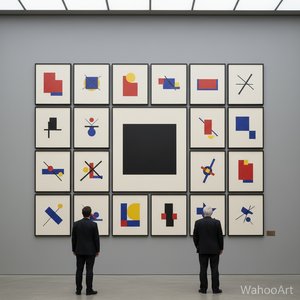
카지미르 말레비치 최고작 25선: 추상 미술의 혁신과 영감을 만나다 | OriginalUniqueArt
카지미르 말레비치의 최고작 25선을 만나보세요. 추상 미술의 혁신적인 세계, 슈프레마티즘의 정수를 담은 작품들의 이야기와 영감을 OriginalUniqueArt에서 경험하세요. 고품질 아트 프린트와 인테리어 데코 아이디어를 지금 바로 확인하세요! OriginalUniqueArt.com

기하학적 추상 미술을 정의한 명작 10가지 | OriginalUniqueArt.com
몬드리안, 말레비치 등 거장들의 기하학적 추상 미술 명작 10선을 만나보세요. 각 작품의 예술사적 의미와 색채, 구성을 탐구하고 OriginalUniqueArt.com에서 고품질 아트 프린트를 소장하세요. 지금 바로 온라인 컬렉션을 확인하세요!

Suprematism Explained: The Radical Geometry and Pure Feeling of Kazimir Malevich
Explore the radical world of Suprematism. Discover how Kazimir Malevich revolutionized modern art through pure geometric abstraction, non-objective form, and the supremacy of feeling. An essential guide for art students and collectors seeking deep historical context.
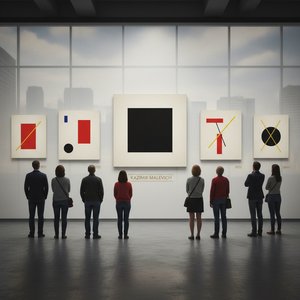
Kazimir Malevich: Pioneering Suprematism & the Quest for Non-Objective Art
Explore the revolutionary art of Kazimir Malevich & his groundbreaking Suprematism movement. Discover the origins, core principles, and lasting impact of this pivotal force in modern abstract painting.
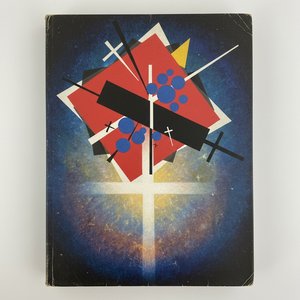
Beyond Representation: Exploring the Radical Geometry of Suprematism & Its Spiritual Foundations
Explore the revolutionary world of Suprematism with our expert guide. Discover Kazimir Malevich's groundbreaking art, its spiritual foundations & lasting influence on modern design. Learn about collecting this iconic movement.



