프린트 구매하기
 공유하기
공유하기 공유하기
공유하기
 상세 정보
상세 정보

 다운로드
다운로드
 유사 작품
유사 작품 X-레이
X-레이 슬라이드 쇼
Travelers Conversing


 더 보기
더 보기




































작품의 원본 비율을 유지하는 미리 설정된 크기 중에서 선택하세요.

특정 프레임이나 공간에 맞도록 직접 크기를 입력할 수 있습니다. 선택하신 크기가 원본 이미지의 비율과 일치하지 않는 경우, 작품을 자르거나 추가적인 손으로 그린 요소를 사용하여 그림을 확장합니다. 제작 시작 전 승인을 위해 디지털 목업을 보내드립니다.
화면 미리 보기는 실제 자르기 또는 확장을 반영하지 않습니다. 최종 구성은 목업을 통해서만 정확하게 확인하실 수 있습니다.
맞춤 크기 제작도 가능하지만, 원본 비율을 유지하기 위해 사전 정의된 목록에서 크기를 선택하시는 것을 권장합니다.
주문 후 OriginalUniqueArt.com 팀에서 상세 안내를 위해 고객님께 이메일을 보내드리며, 미리보기 시안을 제공해 드립니다.


 유리 옵션은 110cm 미만 크기에서만 선택 가능합니다.

Travelers Conversing
재현 기법
복제본 크기
-


최종 결제 금액
-
작품 상세 설명
A Moment of Quiet Intensity: Unpacking Hokusai’s “Travelers Conversing”
Katsushika Hokusai's "Travelers Conversing" isn't merely a woodblock print; it’s a carefully constructed tableau of understated drama, a window into the bustling world of Edo-period Japan. Created around 1835 during the Tenpo era, this iconic image transcends its simple subject matter to evoke a profound sense of anticipation and perhaps even a touch of melancholy. It's a piece that rewards repeated viewing, revealing new layers of detail and emotional resonance with each encounter.
The composition immediately draws the eye to a central interaction: a man, burdened with a large rectangular box, engaged in conversation with a seated figure holding a fan. The figures are positioned within a meticulously rendered landscape—a stylized mountain range receding into the distance, punctuated by towering trees and swirling clouds. This isn’t a realistic depiction of nature; rather, it's an artistic interpretation, imbued with Hokusai’s signature bold lines and simplified forms – hallmarks of the Ukiyo-e style.
The Language of Ukiyo-e: Technique and Style
As a master of Ukiyo-e, Hokusai employed a technique that combined meticulous carving with vibrant color application. The woodblocks themselves were painstakingly crafted, each line carefully etched to create the print’s distinctive graphic quality. Layers of ink were then applied, building up the image in multiple passes – a process demanding considerable skill and patience. The use of Prussian blue pigment, imported from Europe during this period, is particularly striking, lending a luminous depth to the sky and water.
Notice the deliberate flatness of perspective, a common characteristic of Ukiyo-e prints. Hokusai prioritized clarity and narrative impact over strict realism. The figures are rendered with simplified shapes, their expressions subtly conveying emotion – a hint of curiosity in the man’s gaze, perhaps a thoughtful consideration on the part of the seated figure. The dynamic lines of the landscape further contribute to the sense of movement and energy within the scene.
Symbolism and Context: A Journey Through Edo
“Travelers Conversing” is more than just a portrait of two individuals; it’s a reflection of the social and cultural currents of Edo-period Japan. The box carried by the man likely represents valuable goods, perhaps merchandise being traded or exchanged during a journey. The fan held by the seated figure symbolizes status and refinement – a common accessory for women of the upper classes. The setting itself—a mountain path—suggests travel and exploration, reflecting the growing popularity of leisure travel amongst Japan’s burgeoning merchant class.
Furthermore, the scene evokes a sense of anticipation. The figures are caught in a moment of quiet contemplation, suggesting a potentially significant exchange is about to take place. The swirling clouds and distant mountains create an atmosphere of mystery and foreboding, hinting at the unknown possibilities that lie ahead.
A Timeless Masterpiece: Hokusai’s Enduring Legacy
Katsushika Hokusai's "Travelers Conversing" stands as a testament to his artistic genius and his profound understanding of human nature. His innovative use of color, line, and composition continues to captivate audiences today, solidifying his place as one of the most influential artists in Japanese history. Reproductions of this iconic print offer a beautiful way to bring a touch of Edo-period elegance into any space, while also connecting with the rich artistic heritage of Japan.
작가 약력
葛飾北斎: 파도를 넘어 영원한 예술로
에도 시대, 격동의 삶 속에서 끊임없이 변화하며 혁신을 거듭했던 화가, 葛飾北斎(카츠시카 호쿠사이)는 단순한 판화가가 아니었습니다. 그는 약 1760년 에도(오늘날 도쿄)에서 태어나 거의 90세에 이르기까지 예술적 탐구를 멈추지 않았으며, 그의 작품은 오늘날 전 세계 수많은 이들에게 영감을 주고 있습니다. 어린 시절부터 그림 그리기에 대한 열정을 불태웠던 호쿠사이의 삶은, 아버지 中島 ISE(나카지마 이에)의 지지와 격려 속에서 시작되었습니다. 비록 부유한 환경은 아니었지만, 그의 예술적 재능은 끊임없는 노력과 헌신으로 빛을 발하며 일본 미술계에 혁명적인 변화를 가져왔습니다.浮世絵의 거장, 새로운 시각을 열다
호쿠사이의 공식적인 예술 교육은 12세에 시작되었으며, 浮世絵(우키요에) 장인 勝川春松(카츠가와 슌쇼)의 제자가 되었습니다. 우키요에는 당시 에도 시대의 일상생활, 배우, 게이샤, 풍경 등을 담아낸 판화 예술로, 호쿠사이 역시 초기에는 이 전통을 따랐습니다. 그러나 그는 단순히 스승의 스타일을 모방하는 데 만족하지 않았습니다. 끊임없는 실험과 새로운 시도를 통해 자신만의 독특한 예술 세계를 구축해 나갔습니다. 책 삽화부터 단일판화까지 다양한 작품 활동을 펼치며, 그의 기술은 빠르게 발전했고, 점차 浮世絵의 틀을 깨는 혁신적인 시도를 선보였습니다. 특히 그는 서양 회화 기법, 예를 들어 원근법과 명암법 등을 적극적으로 도입하여 일본 판화에 새로운 차원을 더했습니다.富嶽三十六景: 영원한 파도의 이미지
호쿠사이의 예술적 업적 중 가장 빛나는 것은 단연 富嶽三十六景(후가쿠 산주로쿠케이), 즉 ‘후지산 36경’ 시리즈입니다. 이 시리즈는 1830년대에 제작되었으며, 그중에서도 神奈川沖浪裏(카나가와 오키나미우라), 일명 ‘偉大なる波(위대한 파도)’는 전 세계적으로 가장 유명한 작품 중 하나가 되었습니다. 거대한 파도가 배들을 덮치려는 순간을 역동적으로 표현한 이 작품은 단순한 풍경화 이상의 의미를 지닙니다. 자연의 위대함과 인간의 나약함을 동시에 보여주며, 삶의 희망과 절망, 그리고 끊임없이 변화하는 세상에 대한 깊은 성찰을 담고 있습니다. 호쿠사이의 富嶽三十六景 시리즈는 단순한 풍경 묘사를 넘어 일본인의 정신세계를 반영하고 있으며, 서양 미술에도 지대한 영향을 미쳤습니다.
- 주요 영향: 우키요에 전통, 중국 산수화, 에도 시대의 일상생활
- 핵심 특징: 대담한 선, 생생한 색채, 역동적인 구도, 자연에 대한 예리한 관찰력
호쿠사이의 영향력은 일본을 넘어 전 세계로 퍼져나갔습니다. 19세기 후반, 일본이 서양에 문호를 개방하면서 우키요에 판화가 유럽 시장으로 대거 유입되었고, 이는 ‘Japonisme(자포니즘)’이라는 새로운 예술 사조를 탄생시켰습니다. 클로드 모네, 에드가 드가, 빈센트 반 고흐 등 수많은 서양 화가들이 호쿠사이의 작품에서 영감을 얻었으며, 그의 대담한 구도와 독특한 색채는 인상주의 미술에 큰 영향을 미쳤습니다. 특히 반 고흐는 ‘偉大なる波’를 자신의 그림으로 재해석하며 호쿠사이의 예술적 정신을 기렸습니다.
호쿠사이의 삶은 끊임없는 변화와 혁신의 연속이었습니다. 그는 생애 동안 30번 이상의 필명을 바꾸었으며, 각 이름에는 새로운 예술적 단계나 신념이 담겨 있었습니다. “狂って筆を持つ老人(狂って筆を持つ老人)”, 즉 ‘미치광이처럼 붓을 잡은 노인’이라는 자칭은 그의 예술에 대한 열정과 끊임없는 탐구를 잘 보여줍니다. 그는 80대에도 그림 그리기를 멈추지 않았으며, 그의 작품은 시대를 초월하여 전 세계 사람들에게 감동과 영감을 선사하며 영원히 기억될 것입니다.

호쿠사이
1760 - 1849 , 일본
주요 정보
- 국적: 일본인
- 대표 작품:
- 겐다이 에도의 불꽃놀이
- 후지산 36경
- 고야의 만화
- 가마쿠라 해안의 큰 파도
- 사망일: 1849년 5월 10일
- 영향을 받은 예술 사조: ['인상주의']
- 영향을 준 예술가: ['중국 풍경화']
- 예술 사조: 우키요에 (浮世絵)
- 전체 이름: 葛飾北斎 (카츠시카 호쿠사이)
- 출생일: 1760년 10월 31일
- 출생지: 도쿄, 일본
관련 기사 더 보기
The Enduring Legacy of Woodblock Printmaking: Technique, History & Artistic Expression
Explore the rich history of woodblock printmaking – from ancient techniques to Ukiyo-e masterpieces. Discover expert insights on collecting, preserving & appreciating this enduring art form.
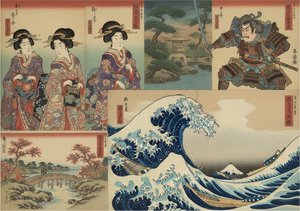
Ukiyo-e: Exploring Japan's Floating World & Enduring Artistic Legacy
Explore the captivating world of Ukiyo-e – Japan's iconic woodblock prints! Discover masters like Hokusai & Hiroshige, learn about Edo period culture, and find expert art collecting guidance at OriginalUniqueArt.
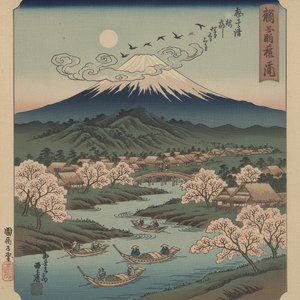
Ukiyo-e's Poetic Visionary: Hiroshige Ando & the Transformation of Landscape in 19th-Century Japan
Explore the life & art of Ando Hiroshige, Japan's last great ukiyo-e master. Discover his iconic landscapes, poetic style, and profound influence on Western Impressionism. Learn about The Fifty-Three Stations & more!
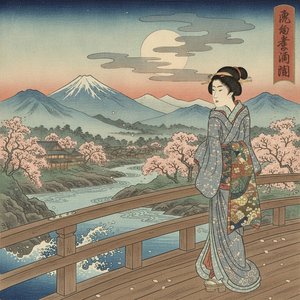
Ukiyo-e's Greatest Hits: 10 Masterpieces That Shaped a Movement | OriginalUniqueArt
Journey into Japan's 'Floating World'! Explore 10 Ukiyo-e masterpieces by Hokusai, Hiroshige & more. Discover the stories behind these iconic woodblock prints and bring timeless Japanese art to your home with OriginalUniqueArt.com. Explore the full collection online.
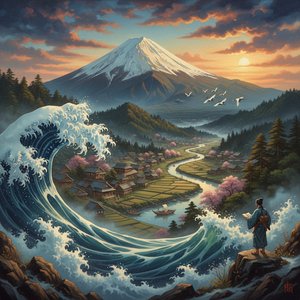
Katsushika Hokusai: A Comprehensive Exploration of the Master's Life, Art, and Enduring Legacy
Explore the life & art of Katsushika Hokusai, Japan's ukiyo-e master! Discover 'The Great Wave,' landscapes, manga & his profound influence on Western art. A comprehensive guide for enthusiasts.